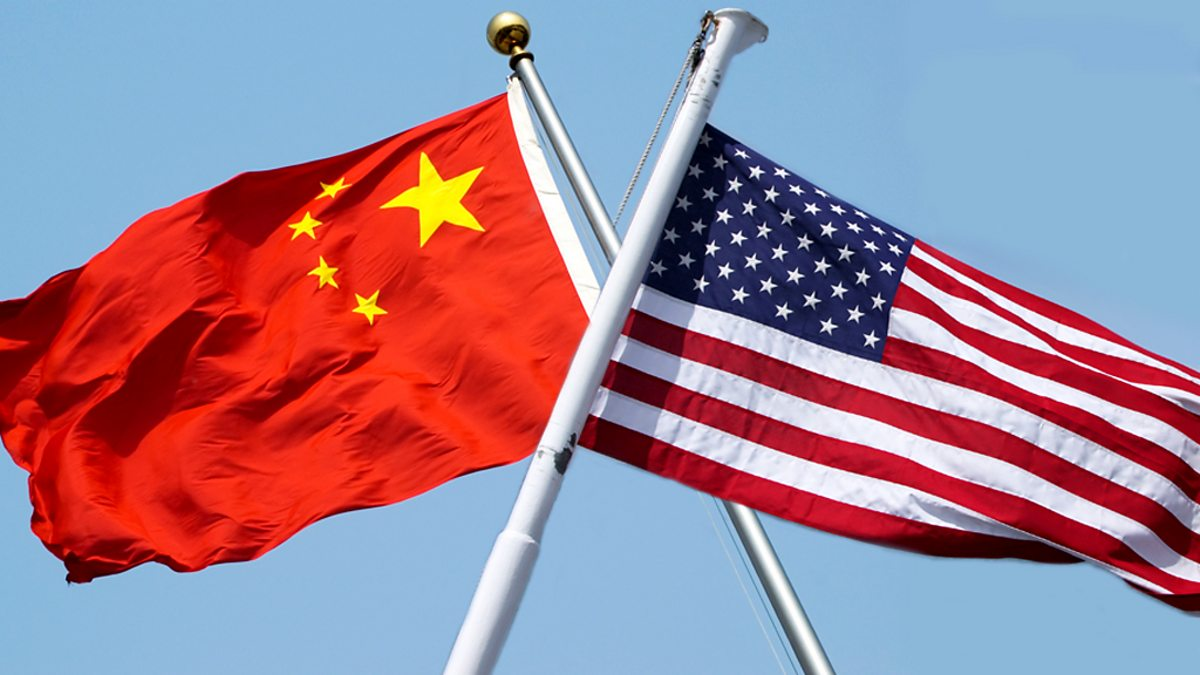
China’s State Media Commends U.S. Firms Amid Trade War Fears

Chinese state media have commended select U.S. companies for their “strong collaboration,” amidst escalating concerns over a renewed trade war as Donald Trump prepares to assume the U.S. presidency on January 20. These remarks echo media strategies used during Trump’s first term, where corporate behavior toward China was scrutinized for hints of favorability or potential penalties.

The Global Times, a state-owned outlet, highlighted companies like Apple, Tesla, Starbucks, and HP for their productive partnerships in China. It emphasized the importance of U.S. policymakers recognizing and fostering an environment conducive to such trade collaborations. Similarly, the China Daily referenced Morgan Stanley’s recent regulatory approval to expand operations in China as evidence of continued foreign interest in the Chinese market.

Trump’s Tariff Threats and Chinese Responses

Trump has announced plans for a 10% tariff on Chinese goods, citing Beijing’s insufficient action in addressing the opioid crisis fueled by Chinese-made chemicals. On the campaign trail, he proposed tariffs exceeding 60% on Chinese imports, signaling a tough stance on trade.

During Trump’s first presidency, China unveiled its “Unreliable Entity List,” threatening restrictions on U.S. companies like Apple, Cisco, and Qualcomm. While the list remained largely symbolic, targeting only firms involved in arms sales to Taiwan, it underscored tensions between the two nations.

Beijing appears cautious this time. Experts like Bo Zhengyuan, a Shanghai-based consultant, believe China will avoid immediate retaliation after any formal U.S. tariff announcement, given its fragile economy. However, longer-term measures could follow if China’s commercial interests are significantly impacted.

Business Sentiments and Strategic Implications

The strained trade relations have left U.S. businesses wary. A September survey by the American Chamber of Commerce in Shanghai found only 47% of U.S. firms optimistic about their five-year business prospects in China. American executives have noted the indirect nature of policy communication during trade disputes, often relying on state media to discern Beijing’s priorities and potential threats.

Despite these challenges, China is signaling its desire to maintain robust partnerships with U.S. firms, potentially as a buffer against a new wave of tariffs. Yet, retaliation remains an option if the economic or political pressure intensifies.

Both nations face a delicate balancing act: the U.S. in pursuing aggressive trade policies without alienating American businesses, and China in defending its economic interests while preserving foreign investment amid a slowing economy.
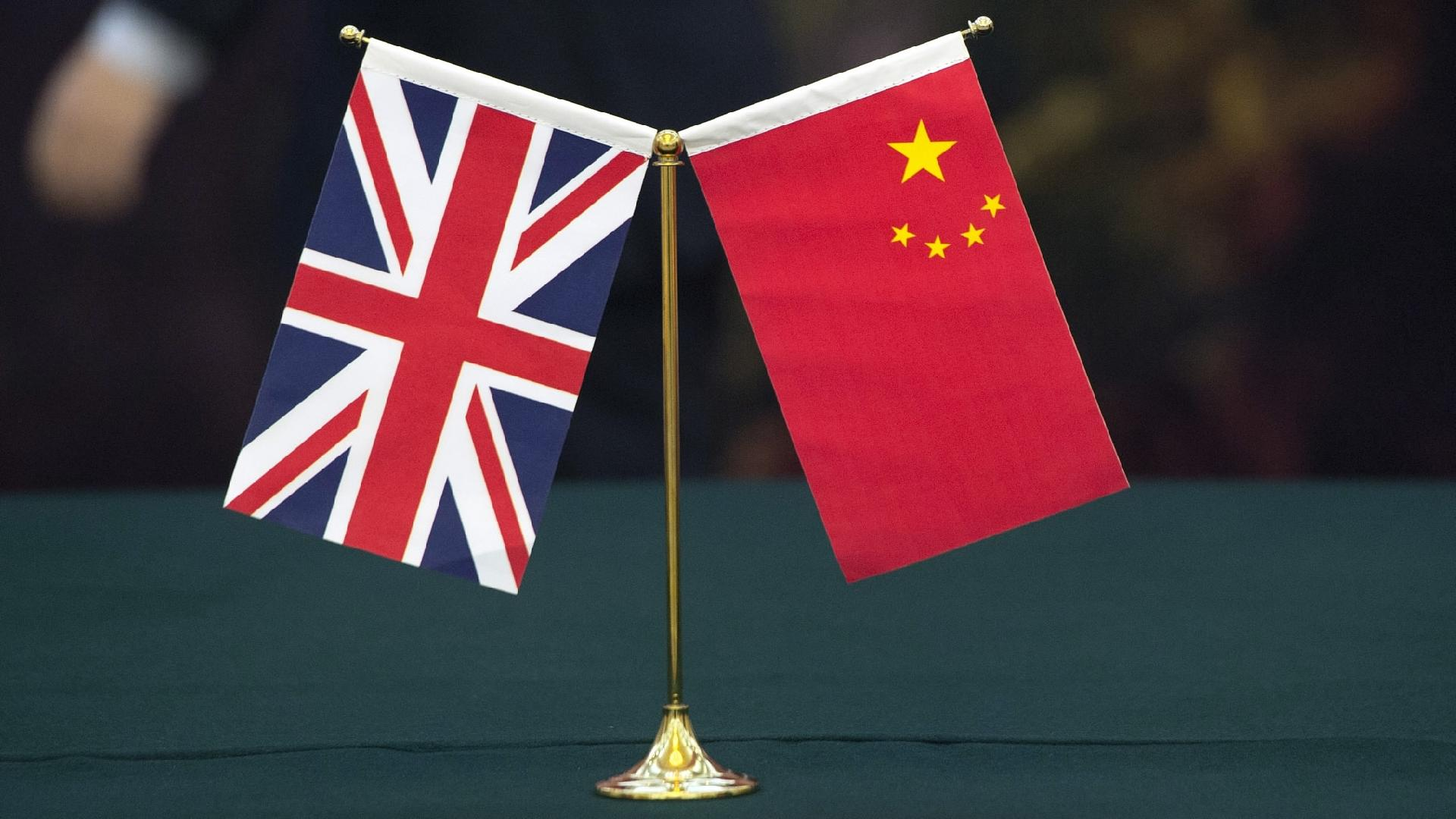

 

Britain Faces Trade Challenges Amid Trump’s Proposed Tariffs

The UK faces a precarious trade situation as President-elect Donald Trump signals sweeping tariffs of 10-20% on imports, including those from close allies like Canada, Mexico, and potentially Britain. With Britain’s services-heavy trade largely relying on the U.S. and the European Union (EU), these proposed tariffs threaten to disrupt the country’s economic growth and trade priorities under its Labour government.

Business and Trade Secretary Jonathan Reynolds emphasized Britain’s commitment to advocating for free trade during a parliamentary session. He argued that Britain’s services-dominated exports to the U.S.—which account for over two-thirds of its trade—offer a unique position compared to Trump’s focus on manufacturing-heavy imports. Both nations also report trade surpluses with each other, further supporting the UK’s case for maintaining tariff-free relations.

However, the UK is balancing multiple trade relationships. While efforts to reset relations with the EU are underway, including a potential veterinary agreement to reduce border checks, Trump’s administration may demand Britain prioritize U.S. ties. Liam Byrne, chair of the business and trade committee, suggested that Britain’s closer ties with the EU might hinder prospects for a U.S. free trade agreement (FTA). However, he dismissed the likelihood of an FTA as a “mirage,” advocating instead for sector-specific deals to mitigate potential tariffs.

Navigating U.S., EU, and China Relations

The UK’s trade landscape remains complicated by its post-Brexit relationship with the EU, which still accounts for over 40% of British exports compared to the U.S.’s 22%. While Reynolds highlighted agricultural standard alignments with the EU as a foundation for reducing trade barriers, he acknowledged the difficulties of securing a U.S. FTA, citing longstanding disputes over agricultural practices.

Compounding this challenge is the UK’s increasing openness to China, with Prime Minister Keir Starmer engaging in leader-level talks with President Xi Jinping and Finance Minister Rachel Reeves planning a visit to Beijing. This pivot could create friction with Trump, who has threatened tariffs on Chinese imports and may push Britain to adopt similar measures in exchange for U.S. concessions.

Business Uncertainty and Strategic Choices

George Riddell of EY UK noted growing uncertainty for businesses, particularly manufacturers, who face the prospect of exports departing Britain this year only to encounter new tariffs upon arrival in the U.S. Companies are now forced to prepare for multiple trade scenarios, adding to their challenges.

While some analysts argue Britain could ride out Trump’s tariff threats by strengthening ties with the EU and China, others caution that closer China relations might provoke U.S. ire more than EU engagement. Sam Lowe of Flint Global suggested Trump might pressure the UK to impose restrictions on China as a trade-off for favorable terms with the U.S., placing Britain in a difficult position.

Reynolds stressed that Britain’s goal is to balance its relationships, advocating for open trade while safeguarding its economic interests. However, the competing demands of the U.S., EU, and China leave the UK navigating an intricate and politically charged trade landscape.


Mexico Warns of U.S. Job Losses and Retaliation Over Trump’s Proposed Tariffs

Mexican President Claudia Sheinbaum issued a strong warning on Wednesday regarding U.S. President-elect Donald Trump’s proposed 25% tariff on Mexican imports. Mexico estimates the measure could result in 400,000 job losses in the United States and significantly raise costs for American consumers.

“If U.S. tariffs are implemented, Mexico will respond with its own tariffs,” Sheinbaum stated at a press conference, emphasizing Mexico’s readiness to retaliate against the policy. She was joined by Economy Minister Marcelo Ebrard, who called for increased regional cooperation instead of a “war of retaliatory import taxes.” Ebrard described the tariffs as “a shot in the foot” that would harm the U.S. economy by violating the USMCA trade agreement and increasing costs for American companies producing in Mexico.

Ebrard highlighted the significant impact on the automotive industry, which heavily relies on cross-border trade. He noted that 88% of pickup trucks sold in the U.S. are made in Mexico and warned of a $3,000 average price increase per vehicle—costs that would hit rural voters, many of whom supported Trump.

Trump justified the proposed tariffs as a means to combat drug trafficking, particularly fentanyl, and to curb migration into the U.S. He claimed on Truth Social that Sheinbaum agreed to work on controlling migration through Mexico. Sheinbaum later clarified on X (formerly Twitter) that Mexico’s focus was on addressing migration before individuals reached the U.S.-Mexico border, adding, “Mexico’s stance is not to close borders, but to build bridges.”

The proposed tariffs could have wide-reaching implications for North American trade. Mexico’s automotive sector, responsible for 25% of regional vehicle production, would face significant disruptions. Analysts at Barclays warned that the tariffs could “wipe out all profits” for major automakers like Ford, GM, and Stellantis. The Institute of International Finance cautioned that such measures might lead to protectionism, threatening regional economic stability.

Despite the tensions, some analysts see the tariff threats as a negotiating tactic rather than a firm policy decision. David Kohl, chief economist at Julius Baer, noted that Trump appears to be using tariffs to achieve goals beyond trade.

With the USMCA up for review in 2026, experts suggest the trade agreement could undergo renegotiation rather than simple renewal. Katia Goya of Grupo Financiero Banorte predicted lower economic growth, higher unemployment, and increased inflation in the U.S. if trade conflicts escalate.

Ebrard underscored the importance of regional unity, stating, “We can fragment and divide with tariffs, or we can build a stronger region. Mexico chooses cooperation, not conflict.”