
Meta to Reduce Personalized Ads in Europe in Response to Regulatory Pressure

Meta Platforms has announced a major change to its advertising model for Instagram and Facebook users in Europe. In an effort to comply with growing regulatory pressures, the tech giant revealed that it will allow users to opt for “less personalized ads.” This new policy, set to roll out in the coming weeks, will offer users in the European Union (EU) an alternative to the highly-targeted ads that have been a staple of Meta’s platforms for years.

Under this revised model, EU users will be able to select ads based on the “context” of their current session on the platform, meaning that the ads will be relevant to the content a user is viewing at the moment. These ads will be less personalized than the data-driven ones that Meta typically displays, which are tailored to users based on their activity, interests, and behaviors. In addition to this contextual targeting, the ads will still consider basic demographic information such as age, gender, and location, with some ads being unskippable for a few seconds.

The company also plans to lower the cost of its ad-free subscription service by approximately 40% for users in Europe, providing an incentive for those who prefer to avoid ads entirely. This subscription service will continue to be available, giving users an alternative option for a more customized, ad-free experience.

This move from Meta comes in response to increasing scrutiny from European regulators who are intensifying their efforts to rein in the influence of Big Tech. The European Union has introduced measures such as the Digital Markets Act (DMA) to promote fair competition and curb anti-competitive practices in the tech industry. Meta’s decision to adjust its advertising practices is seen as an attempt to comply with these regulations and to address concerns about privacy and data collection.

Heathrow CEO Eyes 2025 Decision on Long-Contested Third Runway

Heathrow Airport’s CEO, Thomas Woldbye, announced plans to press the U.K. government for a definitive decision on the controversial third runway by the end of 2025. Speaking at the Airlines 2024 conference, Woldbye emphasized the need for expanded capacity to support economic growth but acknowledged the decision ultimately rests with the government.

“Heathrow is running out of capacity,” Woldbye stated. He argued that surpassing the airport’s limit of 90 million passengers annually requires additional infrastructure. “The demand is there,” he said, describing the third runway as essential for meeting future transportation needs.

Woldbye highlighted ongoing discussions with the Labour-led government as having “positive momentum” and expressed hope for a resolution to avoid wasting time and resources. He noted that if the project were approved without public funding, Heathrow would present a costed proposal to shareholders, which he believes would secure support.

The runway’s approval process has spanned nearly two decades, marred by legal challenges, environmental concerns, and public opposition. Environmental groups, including Friends of the Earth, argue the expansion would exacerbate greenhouse gas emissions, disrupt local ecosystems, and increase noise and traffic pollution.

The project has also faced logistical hurdles, including the potential need for significant changes to the M25 motorway surrounding London. In 2020, the U.K.’s Supreme Court overturned a lower court ruling that had blocked the project, finding it incompatible with the nation’s Paris Agreement commitments.

Supporters of the expansion, including airlines, argue it is critical for boosting capacity and alleviating competition for coveted flight slots at Europe’s busiest airport. Heathrow’s passenger numbers reached 79 million in 2023, nearing its pre-pandemic record of 80.9 million in 2019.

The proposed expansion, initially outlined six years ago, includes a third runway to the northwest of the existing two and a replacement terminal for Terminal 3. The plan would increase Heathrow’s annual flight capacity from 480,000 to 740,000.

U.K. Transport Secretary Louise Haigh expressed conditional support for airport expansion at the conference, emphasizing that it must align with economic growth and environmental commitments.

As Heathrow explores efficiency improvements for its current infrastructure, the decision on the third runway remains a pivotal moment in U.K. aviation and environmental policy.


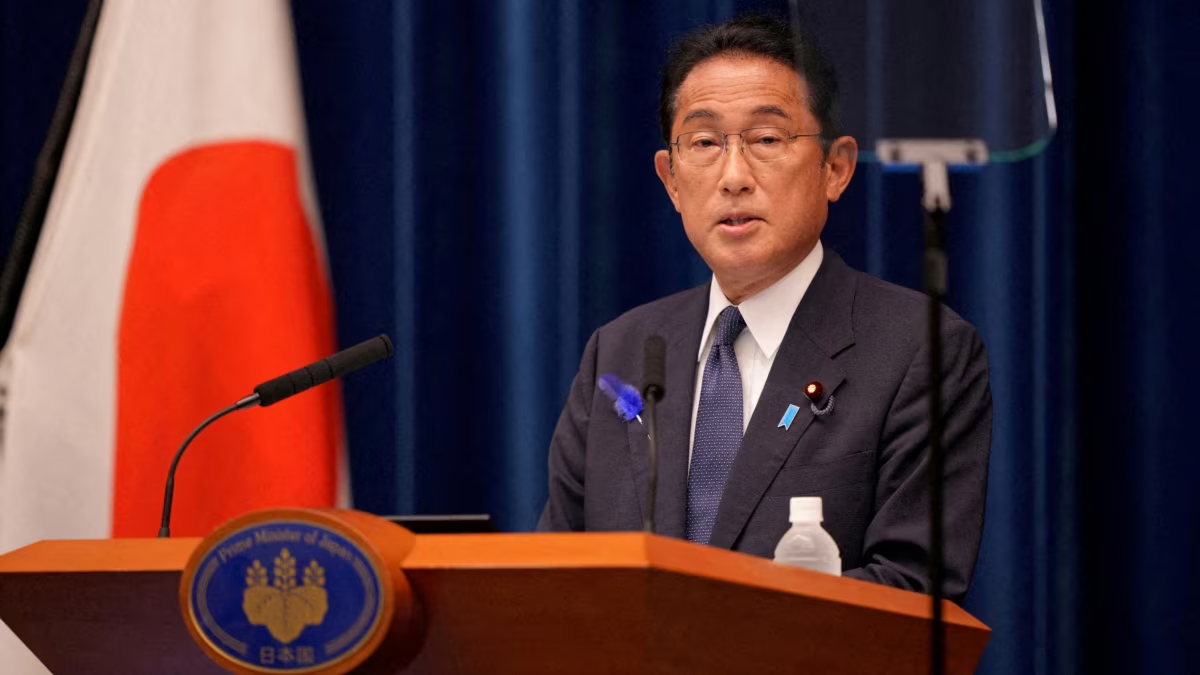
Japan’s PM Ishiba Urges Biden to Approve Nippon-US Steel Deal

Japanese Prime Minister Shigeru Ishiba has formally requested U.S. President Joe Biden to approve Nippon Steel’s $15 billion acquisition of U.S. Steel, emphasizing the strategic importance of the Japan-U.S. alliance. Ishiba’s plea was delivered in a letter sent on November 20, as confirmed by sources familiar with the matter.

The deal faces opposition from Biden and influential U.S. labor unions, prompting a review by the Committee on Foreign Investment in the United States (CFIUS), a body that evaluates foreign investments for national security risks. With the review deadline approaching next month, the decision holds urgency, especially before President-elect Donald Trump—who has opposed the deal—takes office on January 20. CFIUS may approve the acquisition with conditions, block it outright, or extend its review.

In the letter, Ishiba highlighted Japan’s position as the largest foreign investor in the U.S., underlining the mutual benefits of sustaining this trend. He noted, “This Alliance has reached unprecedented strength under your presidency. We respectfully ask for the U.S. government to approve the planned acquisition by Nippon Steel so as not to cast a shadow on our achievements.”

This marks a shift in Japan’s approach, as Ishiba’s predecessor, Fumio Kishida, had distanced his administration from the deal, framing it as a private business matter. However, Ishiba’s government is now actively advocating for its approval amid concerns about potential damage to bilateral relations.

The acquisition has been controversial due to concerns raised by CFIUS about risks to the U.S. steel supply chain, critical to national security. Ishiba, who recently met Biden at an international summit, noted in his letter that time constraints had prevented in-depth discussions on the matter and that the correspondence was intended to stress its significance at this “critical juncture.”

Nippon Steel has made several guarantees and investment pledges to address concerns. Ishiba reiterated these commitments, emphasizing that the deal would preserve U.S. Steel jobs, enhance competitiveness through technological collaboration, and boost steel production capacity and employment in the U.S.

Neither Biden’s office nor Ishiba’s administration has commented publicly on the letter. Nippon Steel and U.S. Steel also refrained from responding outside of business hours.

The CFIUS decision remains pivotal, as its outcome will have implications for the steel industry and broader Japan-U.S. economic relations.