Behind the Scenes of Hamas’ Leadership Change

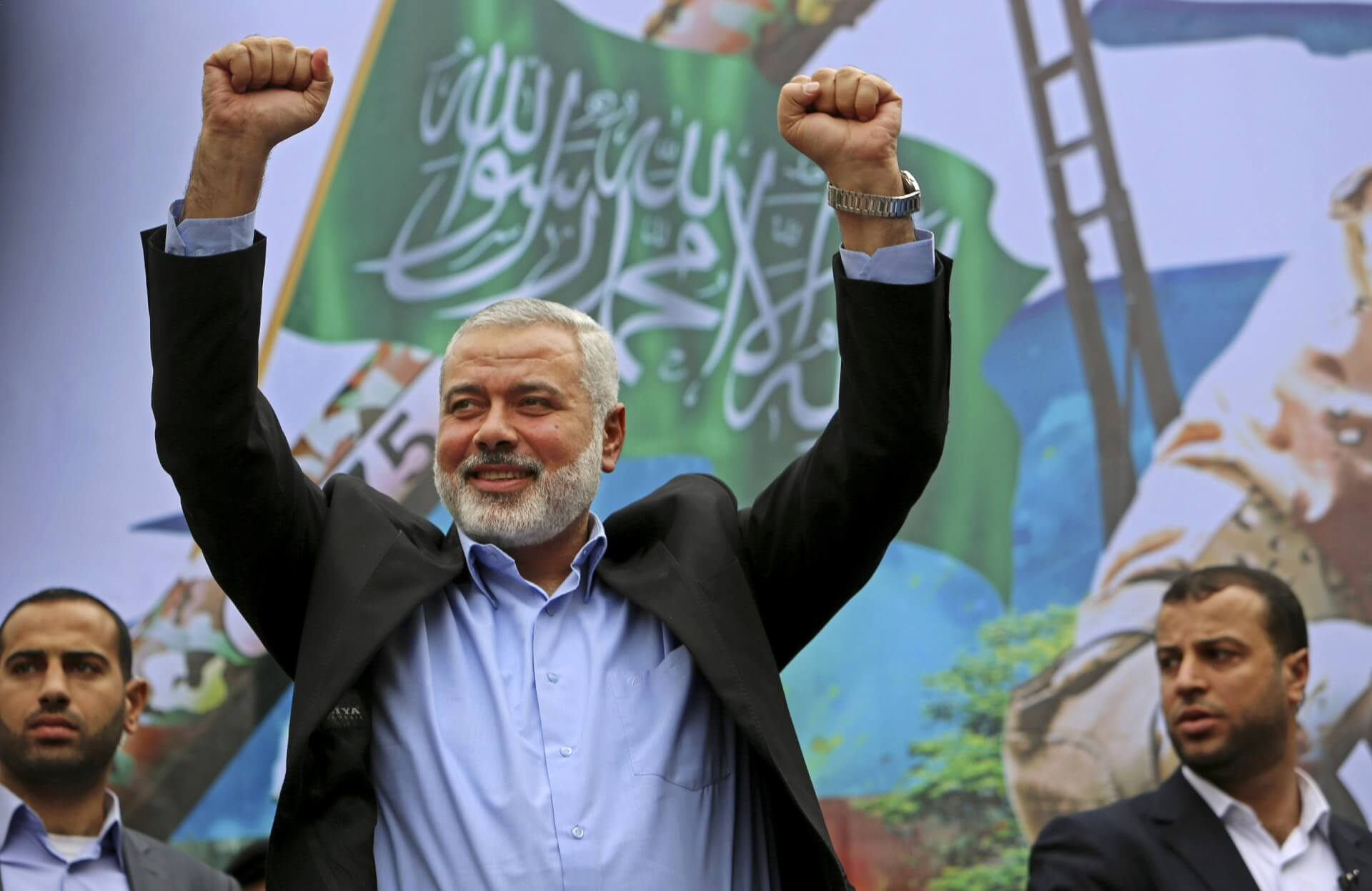
Last week, as global media spotlighted the event, Hamas leaders gathered in Qatar to elect a new political leader following a tumultuous period. Delegates from across the Middle East arrived, deeply impacted by the recent death of Ismail Haniyeh, who was killed in Tehran in late July. Haniyeh, a key figure in Hamas, had played a pivotal role in navigating the group’s strategies amid ongoing conflicts with Israel.

The funeral in Doha, attended by hundreds, marked both a solemn farewell and the dawn of a new phase for Hamas. The meeting, reminiscent of previous transitions such as after the assassinations of Sheikh Ahmed Yassin and Abdel Aziz al-Rantisi, underscored the gravity of the situation facing Hamas.
Since Hamas’ attack on southern Israel on October 7, which resulted in significant casualties and hostages, and Israel’s subsequent retaliation causing extensive devastation in Gaza, the organization has faced severe challenges. The loss of Haniyeh, reportedly killed by a missile or bomb, was a significant blow.

At the Doha ceremony, Abu Omar Hassan, the head of the Supreme Shura Council, was initially expected to serve as interim leader. However, after intense discussions, Hamas elected Yahya Sinwar as the new leader. Sinwar, who has led Hamas’ Gaza operations since 2017, is closely tied to the group’s militant wing and has a controversial reputation due to his involvement in the October 7 attacks.

His appointment, despite concerns from some within Hamas, reflects the group’s need to assert strength and defiance amid ongoing conflict. Sinwar’s choice, driven by his prominence following the attacks, signals a shift towards a more radical stance, aligning with the “axis of resistance” supported by Iran.

The appointment comes as ceasefire negotiations continue, with Qatar and Egypt working on a plan potentially involving concessions to Iran to halt further military responses. Despite these efforts, conflict continues, with Sinwar poised to lead Hamas through a critical and volatile period.

 

Ukraine Initiates Rare Cross-Border Assault into Russian Kursk Region

Ukraine has initiated a rare cross-border assault into the Russian region of Kursk, which has extended into a second day. On Tuesday morning, Ukrainian forces crossed the border near Sudzha, located 10 km from the frontlines, supported by 11 tanks and over 20 armored combat vehicles. This move has led to the implementation of a state of emergency in the area, as stated by acting regional governor Alexei Smirnov. President Vladimir Putin labeled the incursion as “another major provocation,” and Russian officials reported that up to 1,000 Ukrainian troops were involved.

Ukrainian MP Oleksiy Honcharenko claimed control over the Sudzha gas hub, a crucial facility for the transit of natural gas to the EU, Chief of General Staff Valery Gerasimov reported that Russian forces had halted the Ukrainian advance and were engaging in ongoing combat to repel the intruders. According to Gerasimov, Russian troops have already killed 100 Ukrainians and injured 215. However, some pro-war Telegram channels describe the situation as deteriorating, with heavy battles reported in Sudzha and Korenevo.

,

Thousands of residents have fled the region, prompting the Russian National Guard to bolster security at the Kursk nuclear power plant. Reports indicate that Ukrainian shelling has resulted in 24 injuries, including six children. The region has experienced continuous air alerts and public events have been canceled. Russian authorities reported civilian casualties from Ukrainian air attacks, with three killed and additional injuries reported.

Kyiv has yet to officially comment on the situation, but Ukrainian regional head Volodymyr Artyukh has ordered evacuations from areas bordering Kursk. Ukrainian Colonel Vladislav Seleznyov described the assault as a “preventative” measure against the significant Russian troop buildup near the border. Despite the ongoing conflict, some analysts question the strategic value of these incursions.

Why Kamala Harris Chose Tim Walz: The Appeal of “Good Vibes” and Midwestern Charm

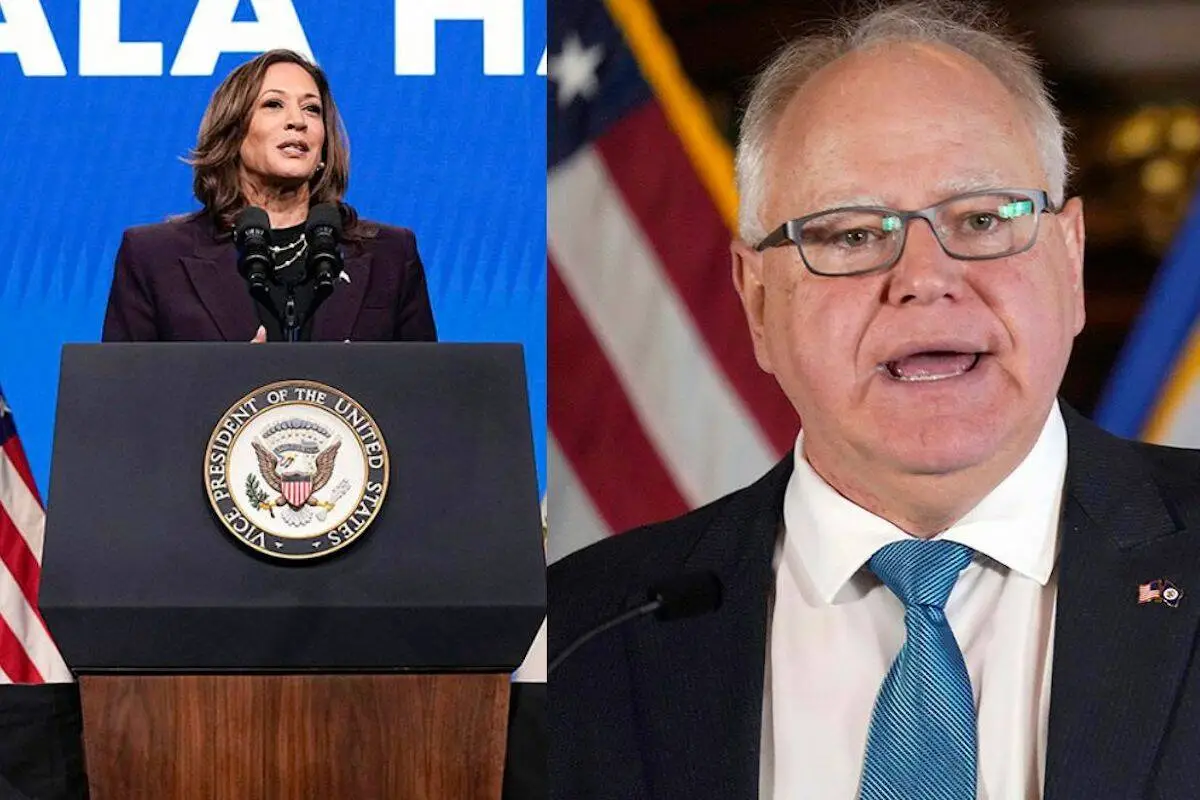
Tim Walz, Minnesota’s governor, wasn’t an early favorite for the vice-presidential spot, but his “good vibes” and Midwestern appeal made him an unexpected choice for Kamala Harris. In a political climate where the right “vibe” can be crucial, Walz embodies the approachable, down-to-earth image that Harris sought.

Walz’s background as a teacher, football coach, and Army National Guard enlisted soldier highlights his “meat-and-potatoes” Middle American roots. His affable demeanor and ability to critique Donald Trump effectively without appearing overly aggressive have helped him gain national recognition. His description of Trump and JD Vance as “weird” quickly became a Democratic talking point, showcasing his knack for effective, relatable rhetoric.

Unlike other vice-presidential contenders, such as the polished Josh Shapiro or the disciplined Mark Kelly, Walz offers a safer choice, avoiding potential pitfalls with the Democratic base. Though Minnesota is not a key battleground state, Walz’s Midwestern charm could resonate in swing states like Wisconsin and Michigan. His ability to appeal to rural and Republican voters, as demonstrated by his 2006 victory in a Republican-held House seat, and his skill at explaining progressive policies to moderates and independents further bolster his selection.

Nancy Pelosi, who played a key role in persuading Joe Biden to make way for Harris, has praised Walz for his crucial role in delivering the House majority to the Democrats in 2006. However, the Trump campaign has already targeted Walz with accusations of being a “dangerously liberal extremist” and a “far-left lunatic.” JD Vance has criticized Harris for allegedly catering to radical elements within her party, while Trump has warned of disastrous consequences under Walz’s vice-presidency.

Despite these attacks, Walz’s friendly, unpretentious image may make it challenging for Republicans to effectively cast him in a negative light.