Bangladesh PM Sheikh Hasina Resigns and Flees Amid Protests

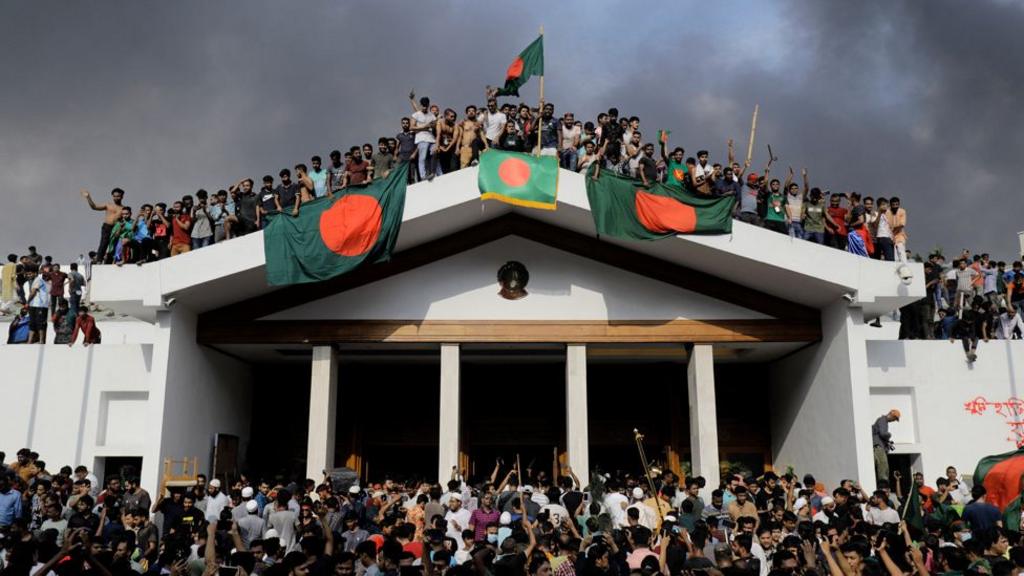
In a dramatic turn of events, Prime Minister Sheikh Hasina of Bangladesh has resigned and fled the country following weeks of intense protests. The unrest, which initially centered on civil service hiring quotas, has escalated into a broader revolt against Hasina’s administration.

The prime minister reportedly sought refuge in India after demonstrators stormed her official residence in Dhaka. The situation in the capital has been marked by a mix of jubilation and chaos. While many citizens have taken to the streets to celebrate what they see as a newfound freedom, there have been troubling reports of violence and destruction.
Protesters managed to enter the Bangabandhu Memorial Museum, setting parts of it ablaze and vandalizing a portrait of Sheikh Mujibur Rahman, Hasina’s father and Bangladesh’s first president. In addition, police buildings have been set on fire, and at least 20 people are reported to have been killed in the ensuing chaos.

Fatima, a 17-year-old student, expressed her relief at the end of Hasina’s long tenure. “I’m here to enjoy my freedom. My country is free again,” she said. Businesswoman Rasoova echoed similar sentiments, highlighting the importance of addressing corruption as a next step.

The army has announced plans to establish an interim government, with expectations that it will be formed by the end of the day. The head of the army, General Waker-uz-Zaman, has not yet disclosed who will lead this temporary administration.

The situation remains fluid as Bangladesh navigates this significant political upheaval.
 

Bangladesh Protests: Over 50 Dead Amid Escalating Violence

The ongoing anti-government protests in Bangladesh have intensified, resulting in the deaths of at least 59 people, including 13 police officers. The violence has erupted as student leaders and anti-government demonstrators demand the resignation of Prime Minister Sheikh Hasina and broader reforms. Pabna, and Rangpur.

Protest Origins and Escalation

The unrest began with student-led calls to abolish quotas for civil service jobs, but has since expanded into a broader anti-government movement. Protesters have clashed with police and government supporters, leading to significant casualties. Both sides have employed live ammunition, tear gas, and rubber bullets. The situation has worsened with nighttime curfews and restrictions on mobile internet access in Dhaka, exacerbating communication difficulties.

Government Response and Internet Shutdown

Bangladesh’s Law and Justice Minister Anisul Huq defended the government’s actions, claiming restraint despite the chaos. In response to the unrest, the government has suspended 4G internet service in Dhaka while maintaining broadband access. This move has hindered the ability of residents to communicate and access information.

Student Protests and Government Actions

Student groups, notably Students Against Discrimination, have intensified their campaign with calls for a nationwide civil disobedience movement, urging people to withhold taxes and utility bills, and calling for a shutdown of factories and public transport. These actions follow a significant crackdown by security forces, which has led to the detention of around 10,000 individuals, including opposition supporters and students.

Military Involvement and Political Tensions

Amidst the turmoil, Prime Minister Hasina has offered unconditional dialogue with student leaders, which has been rejected. The government has mobilized the military to restore order, and the army chief, General Waker-Uz-Zaman, has reiterated the army’s commitment to public welfare and state needs. Despite these efforts, the situation remains volatile, with protests continuing in multiple cities.

Reactions and Future Outlook

The protests pose a severe challenge to Sheikh Hasina’s administration, which was re-elected for a fourth term in January under controversial circumstances. The government has faced criticism for its heavy-handed approach and alleged human rights violations. As tensions persist, both sides are preparing for a critical period, with the potential for further violence and unrest.

The situation in Bangladesh underscores the growing friction between government authorities and citizens demanding political reform and accountability. The coming days will be crucial in determining whether a resolution can be reached or if the conflict will escalate further.

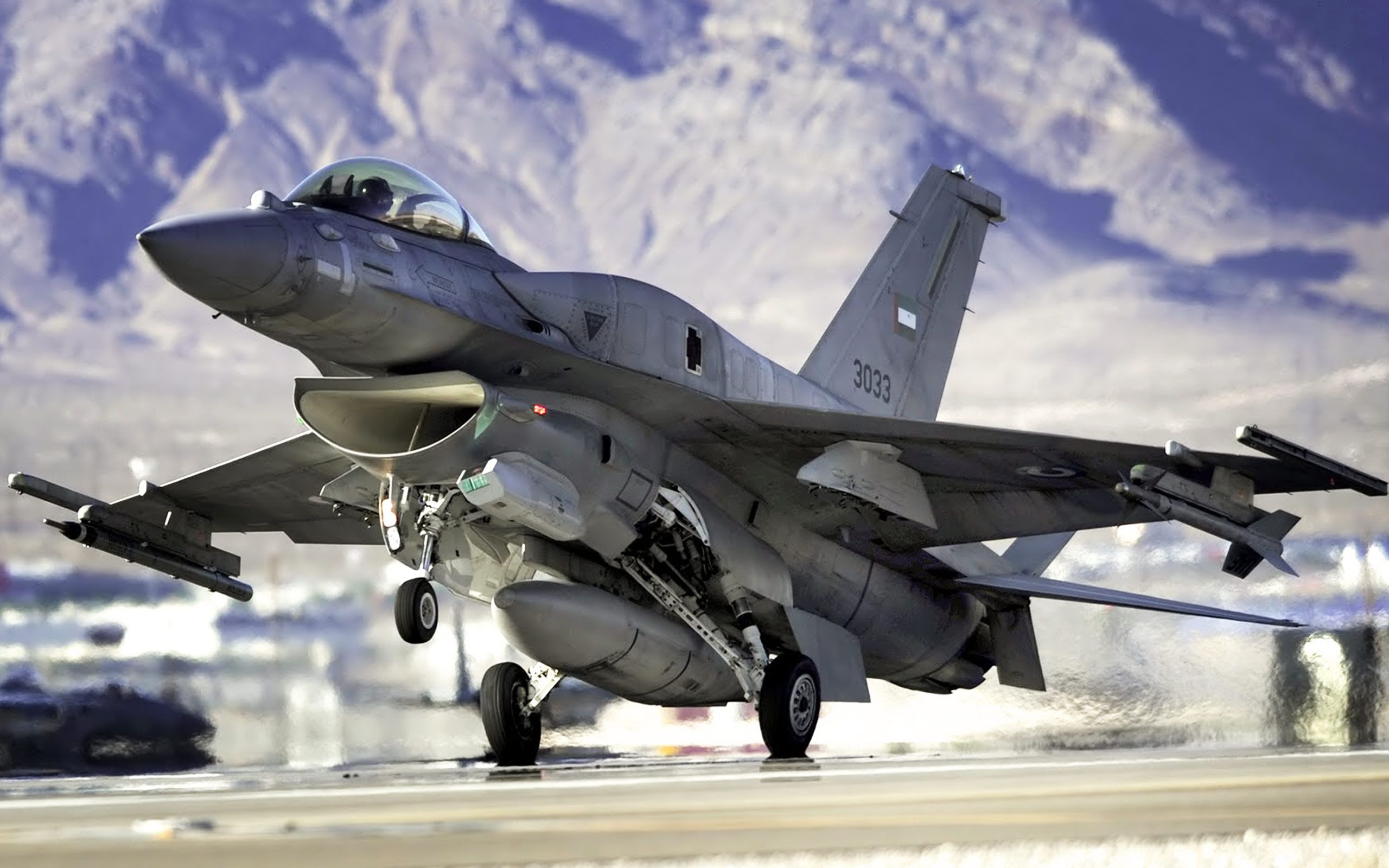
US to Deploy Jets and Warships as Tensions Rise with Iran

The Pentagon has announced the deployment of additional warships and fighter jets to the Middle East in response to heightened tensions involving Iran and Israel. This move aims to bolster Israel’s defense against potential attacks from Iran and its allies. The decision follows recent escalations, including the assassination of Hamas leader Ismail Haniyeh in Tehran and the killing of Hezbollah commander Fuad Shukr by Israel.

Iran’s leader, Ayatollah Khamenei, has vowed retaliation against Israel for Haniyeh’s death. The Pentagon’s new deployments will enhance U.S. missile defense capabilities and ensure readiness for various scenarios. Despite the tense situation, the Pentagon maintains that it is committed to defending Israel and that a potential ceasefire deal remains a possibility.

The situation in Israel is tense, with international airlines suspending flights and Israeli forces on high alert. Recent Israeli military actions have led to significant casualties, with ongoing efforts to negotiate a ceasefire and address the humanitarian crisis in Gaza.