
FDA Approves Eli Lilly’s Zepbound for Sleep Apnea, Expanding its Use in the U.S.

The U.S. Food and Drug Administration (FDA) has approved Eli Lilly’s weight loss drug, Zepbound, for treating moderate-to-severe obstructive sleep apnea (OSA), the most common sleep-related breathing disorder. This approval marks the first drug treatment option for patients with both obesity and OSA, which is characterized by breathing interruptions during sleep due to blocked or narrowed airways. Zepbound, a weekly injection, should be used alongside a reduced-calorie diet and increased physical activity, the FDA stated.

An estimated 80 million people in the U.S. are affected by OSA, with about 20 million suffering from the moderate-to-severe form of the disorder. Alarmingly, 85% of these cases remain undiagnosed, according to Eli Lilly.

Julie Flygare, president and CEO of Project Sleep, a nonprofit focused on sleep health, emphasized that OSA is more than just snoring, urging for greater awareness and conversation about the condition. She expressed hope that Zepbound’s approval would lead to better health outcomes through more informed discussions between patients and healthcare providers.

The approval expands Zepbound’s use beyond obesity treatment, which it was first approved for late last year. The drug’s active ingredient, tirzepatide, is also marketed as Mounjaro, a diabetes treatment. Eli Lilly expects to launch Zepbound for OSA in early 2025 and is also testing the drug for other obesity-related conditions such as fatty liver disease.

Zepbound’s approval may help secure broader insurance coverage, which is a challenge for many weight loss drugs, including Zepbound itself. Current coverage under Medicare for obesity treatments depends on their approval for additional health benefits, like treating OSA.

Zepbound’s approval also highlights the growing body of evidence supporting the health benefits of GLP-1s, a class of medications used for weight loss and diabetes management. Zepbound’s main competitor, Novo Nordisk’s Wegovy, is not approved for OSA.

The new approval provides a significant option for OSA patients who often rely on cumbersome positive airway pressure (PAP) machines to help with breathing. Zepbound offers a more convenient alternative with the potential to resolve OSA symptoms.

In clinical trials, Zepbound demonstrated significant effectiveness in reducing OSA severity. A year-long study showed that Zepbound was more effective than a placebo, with nearly half of patients achieving disease resolution. Zepbound resolved OSA in 43% of patients who were not using PAP therapy and 51.5% of those continuing PAP therapy. This compares to only 13.6% to 14.9% of placebo recipients in the same trials.

The results were based on the apnea-hypopnea index (AHI), which measures the number of blocked or restricted breaths per hour, and used to assess both the severity of OSA and the effectiveness of treatments. Disease resolution is defined as having fewer than five AHI events per hour or a significant reduction in daytime sleepiness, according to Eli Lilly.
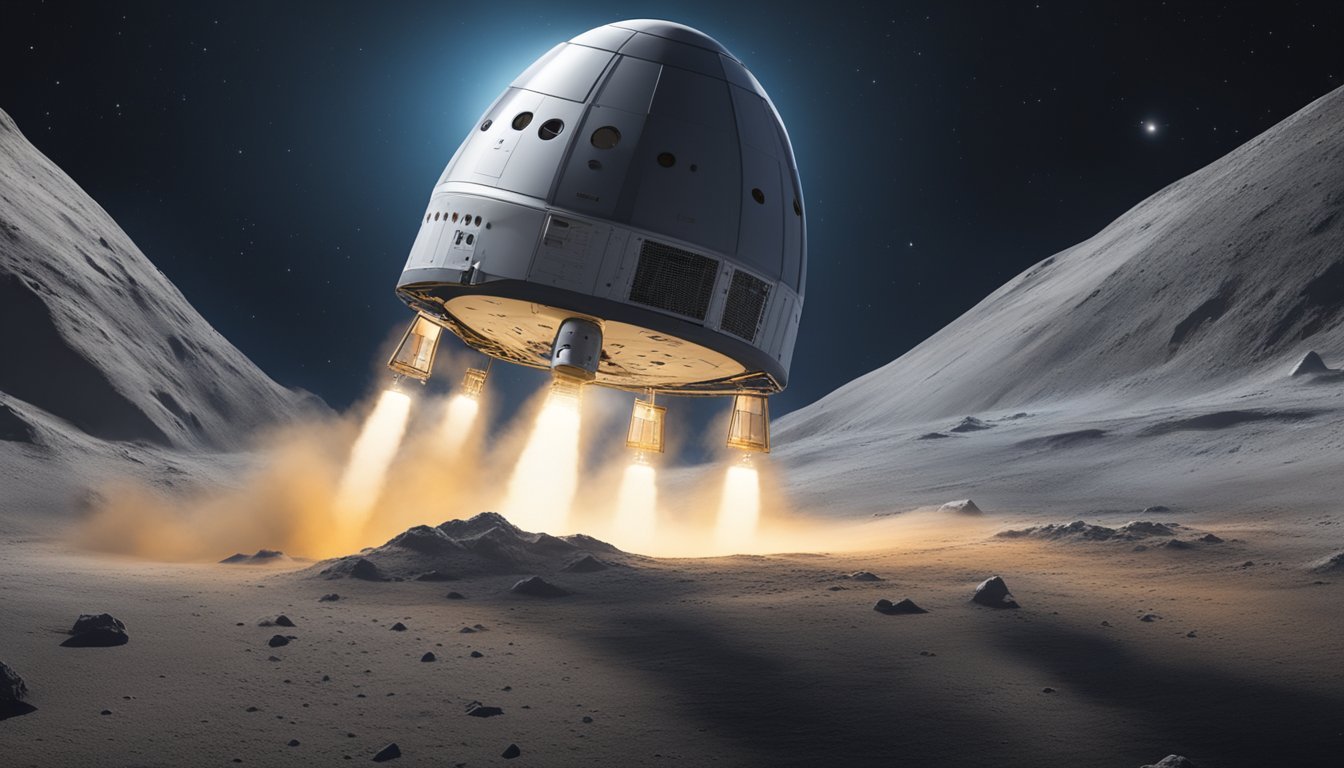

 

Space Exploration Milestones of 2024: Lunar Ventures, Mars Breakthroughs, and Beyond

The year 2024 saw incredible progress in space exploration, with significant missions targeting the moon, Mars, Mercury, and beyond. A variety of government agencies, private companies, and research teams achieved remarkable milestones, deepening humanity’s understanding of the solar system and advancing the frontiers of space exploration.

Among the most notable developments were several lunar missions that expanded our knowledge of Earth’s closest neighbor. Japan’s SLIM (Smart Lander for Investigating the Moon), which landed on the rim of a lunar crater in January, surpassed expectations by operating for three months rather than the planned two weeks. This extended mission provided invaluable data about the moon’s surface and topography. In February, the Odysseus spacecraft from Intuitive Machines, based in Houston, also made a noteworthy lunar achievement. Despite landing off-balance near the lunar south pole, the spacecraft completed its six-day mission successfully, providing important insights into the region.

China’s Chang’e 6 mission, launched by the China National Space Administration (CNSA), made headlines in June when it returned with soil samples from the moon’s far side. This was the first successful collection of samples from this previously unexplored region. Initial analysis of the samples suggested that the far side of the moon may have experienced volcanic activity as recently as 2.8 billion years ago, offering exciting new clues about the moon’s geological history.

Beyond lunar exploration, there were also significant strides made in the study of Mars and other celestial bodies. The year 2024 highlighted the increasing pace of discoveries, including new findings on Mars that could reshape our understanding of the planet’s potential to support life. As technology continues to advance, space agencies and private enterprises are rapidly pushing the boundaries of exploration, promising even more exciting developments in the years to come.

Notre Dame Restoration Offers Valuable Insights for Scientific Research: Report

The restoration of Notre Dame de Paris, which is set to reopen this weekend, has not only been a monumental architectural achievement but also an important scientific endeavor. Following the devastating fire in 2019 that caused significant damage to the cathedral’s roof and spire, researchers have used the restoration process as an opportunity to uncover valuable insights into historical construction methods and environmental conditions. Scientists from the French National Centre for Scientific Research (CNRS) have conducted extensive studies on materials salvaged from the wreckage, revealing fascinating details about medieval craftsmanship and the climate during the cathedral’s construction.

One of the key areas of research has been the oak timber that once supported Notre Dame’s roof. Led by Thierry Zimmer from the Research Laboratory of Historical Monuments, scientists performed chemical analyses on the recovered wood to trace its origins. The results revealed that the timber was sourced from a region hundreds of kilometers away from Paris, providing insight into the extensive network of materials used in medieval construction. This discovery also offered a glimpse into the environmental conditions of the 12th century, with isotopic markers used to reconstruct temperature and humidity levels. The research indicated that the climate at the time was cooler than previously thought, offering a new understanding of how weather patterns influenced building practices in medieval France.

The reconstruction of Notre Dame has also involved archaeological efforts to piece together the cathedral’s original design. Archaeologist Cédric Moulis from the University of Lorraine worked to reconstruct sections of the cathedral’s vaulted ceiling using fragments of stone that were recovered from the fire. These efforts, in collaboration with Stéphane Morel, a mechanical engineer from the University of Bordeaux, ensured that the new sections of the cathedral would meet the same structural tolerances as the original. This scientific approach not only preserved the authenticity of the building but also highlighted the precision of medieval builders in achieving architectural feats that have stood the test of time.

Through these investigations, the restoration of Notre Dame has become a unique intersection of history, science, and engineering. The findings offer a deeper understanding of the cathedral’s construction while providing a tangible connection to the past. As the cathedral prepares to welcome visitors once again, these insights continue to shape our understanding of the complex relationship between architecture, materials, and the environment in the Middle Ages.