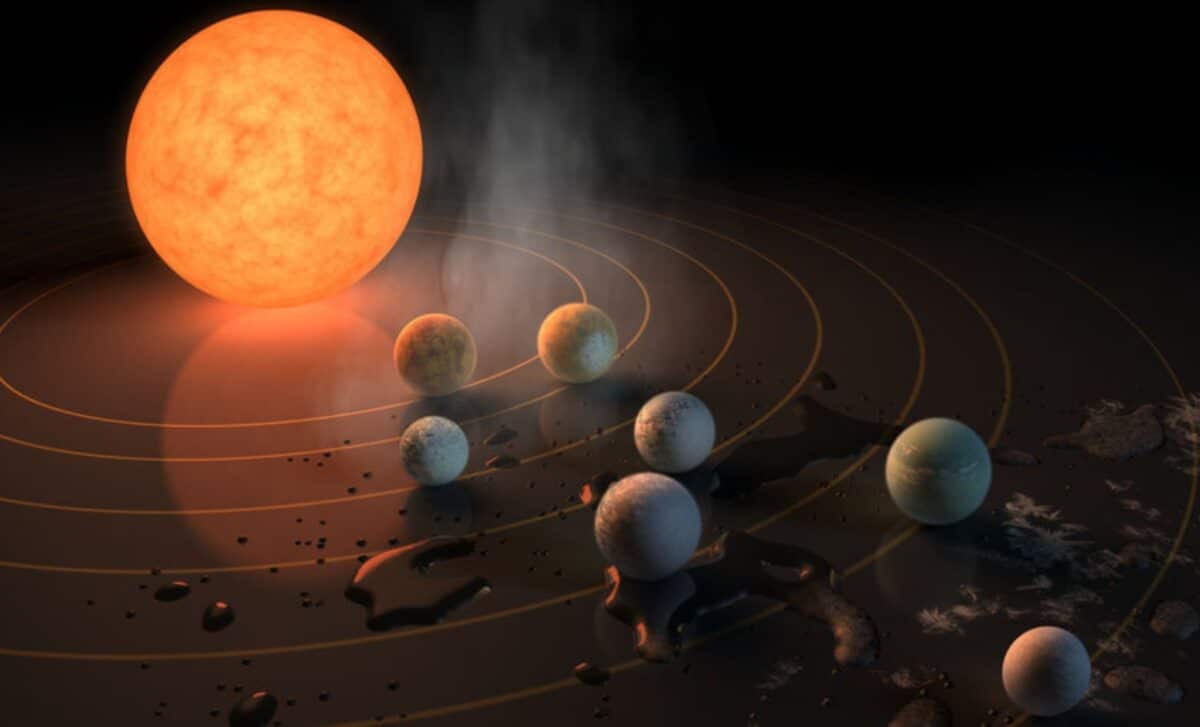
New Study Explores Potential Radio Signals from TRAPPIST-1 Planets

A recent study conducted by astronomers from Penn State University and the SETI Institute has turned its attention to the TRAPPIST-1 star system, located approximately 41 light years away from Earth. Utilizing the Allen Telescope Array (ATA), researchers dedicated 28 hours to meticulously scan for potential radio signals that could suggest communication between the planets in this fascinating system. Although they did not find any concrete evidence of extraterrestrial signals, their comprehensive research lays the groundwork for employing more advanced techniques in future explorations.

The primary focus of the investigation was on a phenomenon known as planet-planet occultations (PPOs). This phenomenon occurs when one planet moves in front of another from our vantage point on Earth. The researchers posited that if intelligent life exists within the TRAPPIST-1 system, there is a possibility that radio signals transmitted between these planets could escape into space, making them detectable from our planet. Nick Tusay, a graduate student research fellow at Penn State and the lead author of the study, underscored the necessity of refining detection methods to identify such signals effectively.

Traditionally, searches for extraterrestrial signals have concentrated on powerful, beacon-like transmissions that could be emitted by advanced civilizations. However, Tusay noted that recent technological advancements, such as the development of the Square Kilometre Array, could enable astronomers to detect more subtle and nuanced forms of communication. This shift in focus could enhance the chances of uncovering signals that may have previously gone unnoticed, broadening the scope of what researchers are looking for in their quest for extraterrestrial life.

While this study did not yield definitive proof of communication from the TRAPPIST-1 planets, it represents a significant step forward in the ongoing search for extraterrestrial intelligence. The dedication and innovative approaches demonstrated by the researchers highlight the potential for future discoveries, inviting both scientists and enthusiasts to remain hopeful about the existence of intelligent life beyond our solar system. As techniques continue to improve and new technologies emerge, the mystery of the TRAPPIST-1 system may one day yield the answers humanity seeks about our place in the cosmos.
Imitation Ozempic Floods Market: Evaluating Risks, Costs, and Alternatives

The Surge of Injectable GLP-1 Medications and Access Challenges
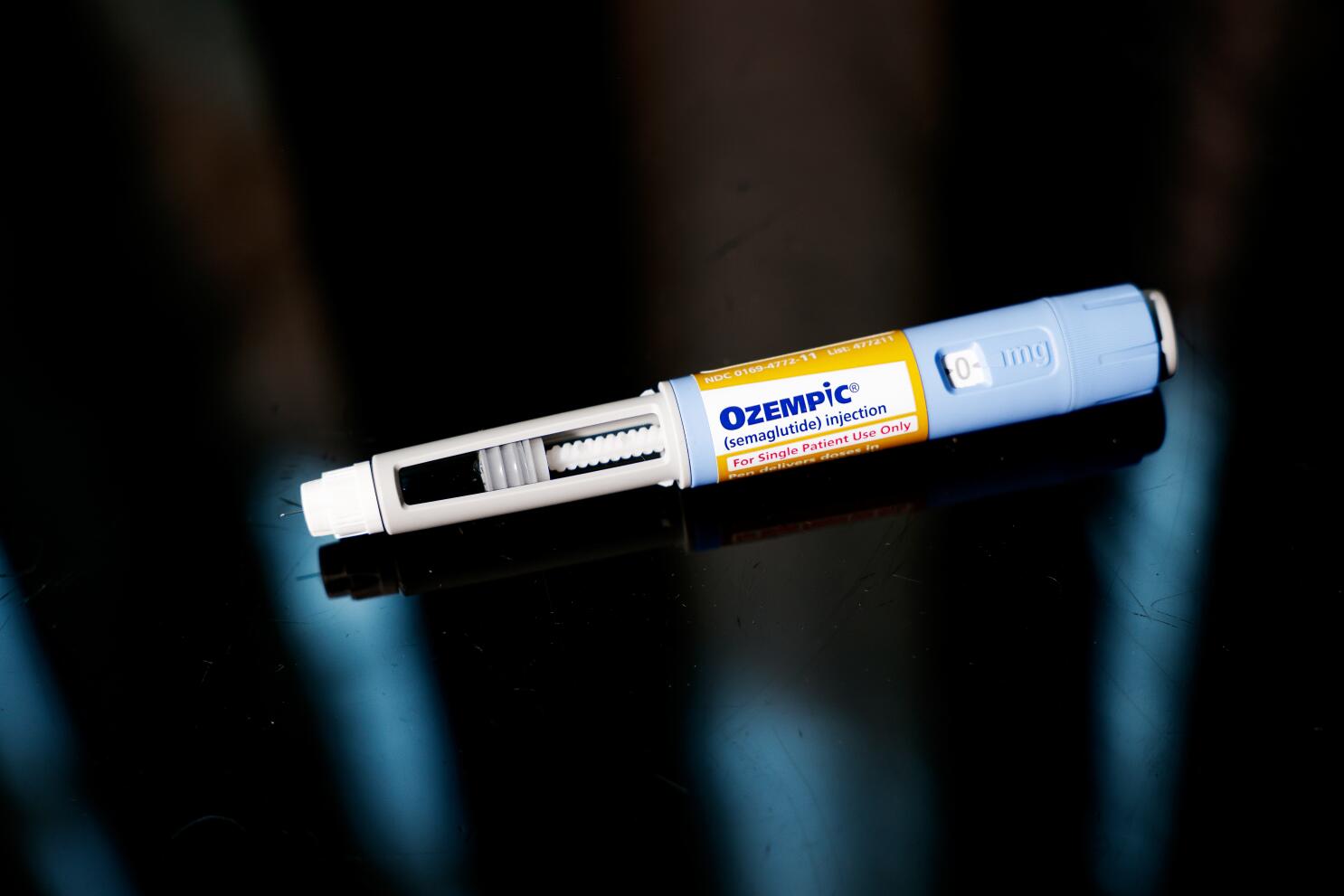
In recent years, injectable medications such as Ozempic, Wegovy, and Mounjaro have gained prominence for their effectiveness in aiding weight loss and managing blood sugar levels. These drugs, classified as GLP-1 receptor agonists, have transformed the treatment landscape, with sales reaching billion-dollar figures. However, their high monthly costs, ranging from £800 to £1,000, present significant access barriers for individuals without insurance coverage that includes weight loss treatments. The situation was further complicated when the Food and Drug Administration (FDA) acknowledged a shortage of these vital medications in 2022, leaving many patients in need without viable options.

The Emergence of Alternative Weight Loss Products
In response to the shortage of GLP-1 medications, a wave of alternative products has flooded the market. With soaring demand for effective weight-loss solutions, various dietary supplements—ranging from pills and teas to herbal extracts—have claimed to offer similar benefits. However, these alternatives often contain unregulated and potentially harmful ingredients, including stimulants and laxatives that may pose significant health risks. Alarmingly, poison control centers have reported a spike in health issues related to these off-brand weight loss products, raising concerns among healthcare professionals about their safety and efficacy.

Compounding Pharmacies as a Solution
Compounding pharmacies have surfaced as a potential alternative for those struggling to access brand-name GLP-1 medications. These specialized pharmacies can create tailored formulations of semaglutide and tirzepatide, typically at lower costs ranging from £250 to £400 per month. While this option provides a more affordable route for many patients, it is not without its risks. The regulatory oversight governing compounding pharmacies is often less stringent than that of traditional pharmaceutical manufacturers, leading to significant concerns regarding the quality and safety of compounded medications. Patients must exercise caution and due diligence when considering these alternatives.

The Importance of Informed Decision-Making
As the landscape of weight-loss treatments evolves, individuals are urged to prioritize informed decision-making. Consulting healthcare professionals is crucial in navigating the complexities of available options, including the potential risks associated with alternatives to GLP-1 medications. In addition to exploring safe alternatives, individuals should remain vigilant about their health and wellbeing, ensuring that their choices support their long-term goals. Ultimately, addressing the challenges posed by high medication costs and shortages requires a collaborative effort among patients, healthcare providers, and policymakers to create sustainable solutions that prioritize patient access to effective and safe treatments.

NASA’s Europa Clipper Mission Launched to Investigate Potential for Life on Europa’s Icy Surface

NASA’s Europa Clipper Mission: A Journey to Uncover the Secrets of Europa

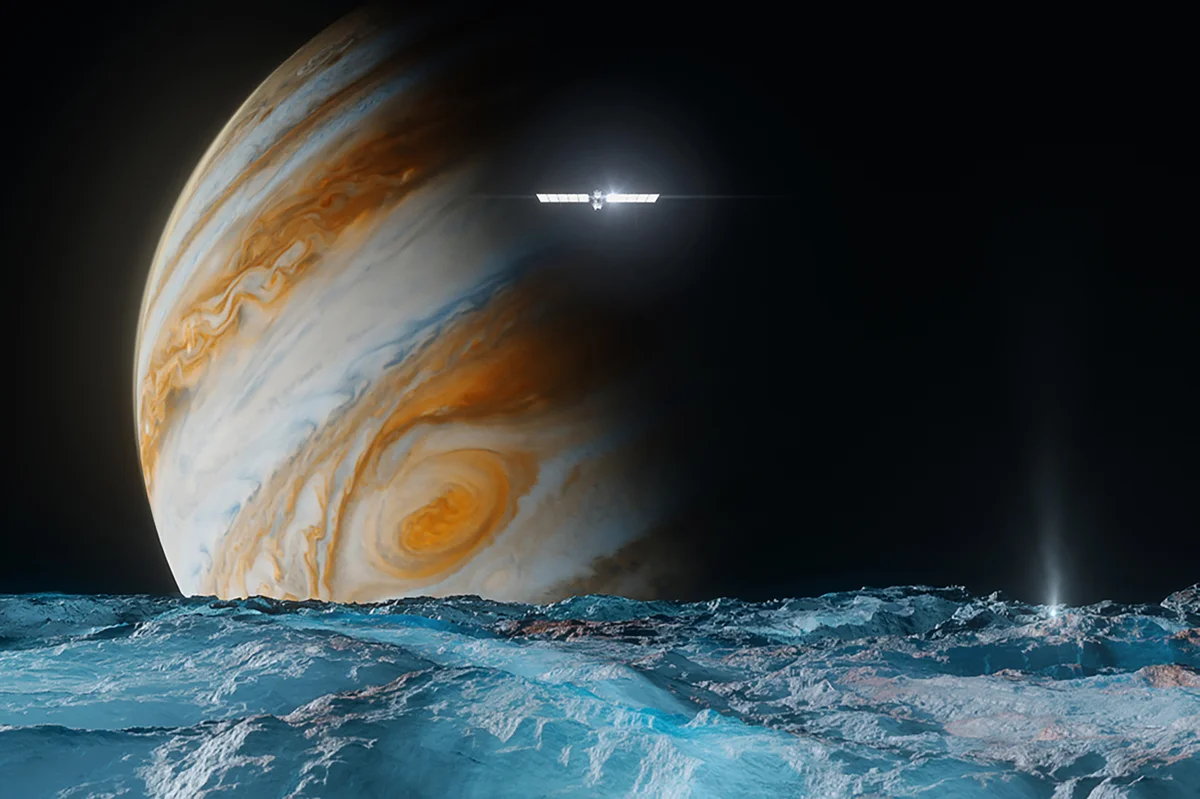
NASA has launched its Europa Clipper mission, a groundbreaking initiative designed to explore Europa, one of Jupiter’s most fascinating moons. Scientists are particularly intrigued by Europa due to the potential existence of a subsurface ocean beneath its thick icy crust, which may harbor conditions conducive to life. The Europa Clipper spacecraft is set to conduct 49 flybys of the moon, employing cutting-edge instruments to analyze both the surface and the ocean beneath, thereby enhancing our understanding of this enigmatic satellite.

In-Depth Surface Analysis and Organic Compound Search

One of the primary objectives of the Europa Clipper mission is to study Europa’s icy surface and determine whether it contains organic materials that may have originated from the subsurface ocean. Key instruments, such as the Mapping Imaging Spectrometer for Europa (MISE), will facilitate the identification of various surface materials. Additionally, the Europa Thermal Emission Imaging System (E-THEMIS) will help scientists pinpoint thermal hotspots, which could indicate geological activity beneath the icy shell. By searching for signs of organic compounds and gases that may escape from the moon, researchers hope to gather critical evidence about Europa’s habitability.

Investigating Europa’s Internal Structure

Beyond surface analysis, the Europa Clipper mission aims to delve into the moon’s internal structure. The Europa Clipper Magnetometer (ECM) and the Plasma Instrument for Magnetic Sounding (PIMS) will measure the induced magnetic field and electrical currents surrounding Europa. These measurements are essential for understanding the characteristics of the subsurface ocean, including its depth and salinity, as well as the thickness of the ice shell above it. This data will help scientists assess whether the conditions beneath the ice are suitable for supporting life.

Radar Technology to Reveal Hidden Environments

An essential component of the Europa Clipper mission is the Radar for Europa Assessment and Sounding to Near-surface (REASON) instrument. This advanced radar technology will enable researchers to penetrate the icy surface and explore the ocean lying below. By providing insights into the composition and structure of the ice, as well as identifying potentially habitable environments, REASON is poised to play a crucial role in our quest to understand Europa’s potential for life. As the mission unfolds, scientists anticipate that the findings will not only deepen our knowledge of Europa but also shape future explorations of icy worlds throughout our solar system