Discovery of Norman-Era Silver Coin Hoard Becomes Britain’s Most Valuable Treasure

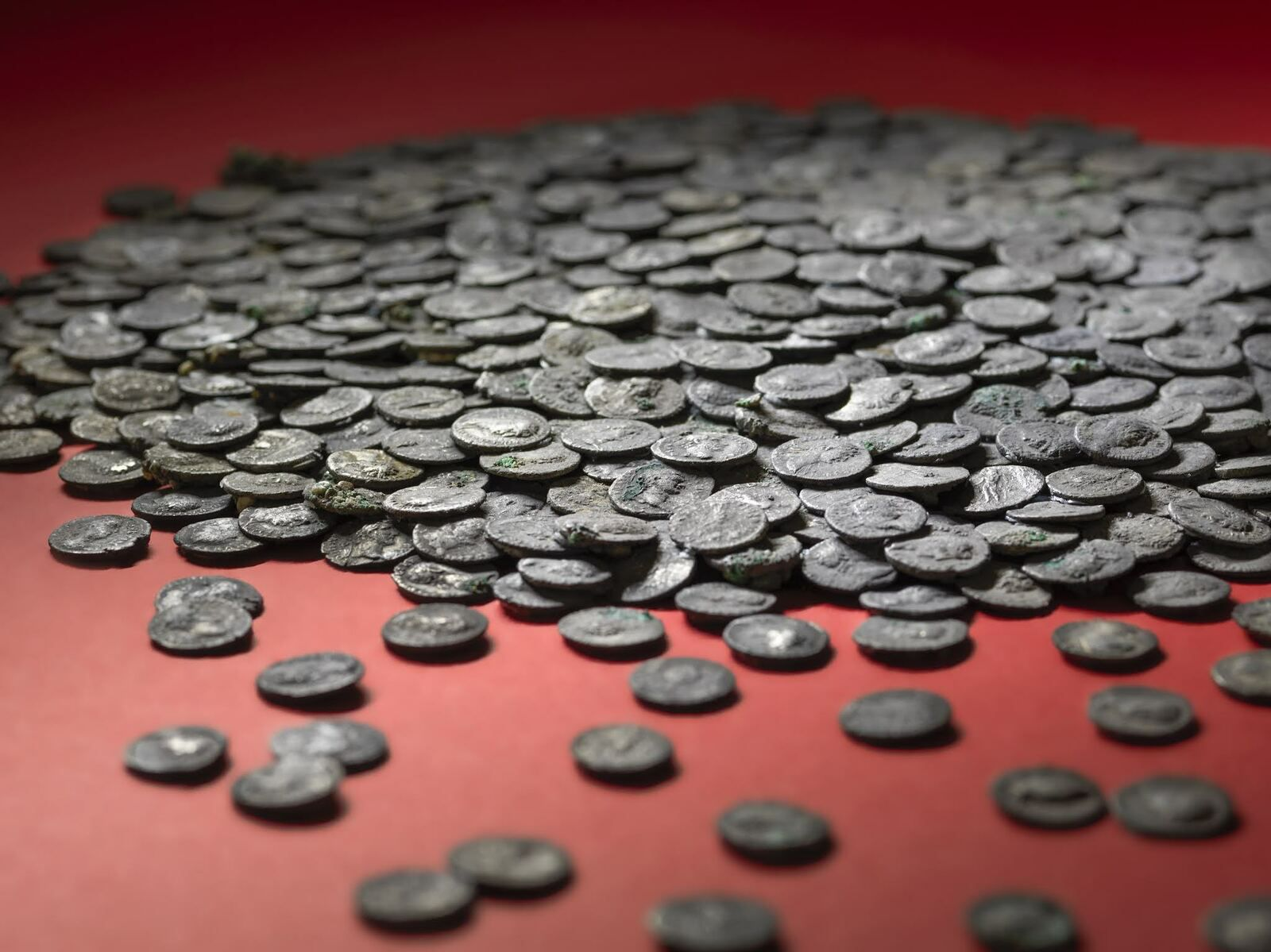
A remarkable hoard of silver coins from the Norman era, discovered five years ago in southwestern England, has been officially recognized as Britain’s most valuable treasure find, recently purchased for £4.3 million ($5.6 million) by a local heritage trust.

Discovery Details

The treasure, consisting of 2,584 silver pennies, was unearthed in the Chew Valley, approximately 11 miles south of Bristol, by a group of seven metal detectorists. As part of the sale, they will receive half of the proceeds, while the landowner where the coins were found will collect the remaining half.

Historical Context

According to the South West Heritage Trust, which acquired the hoard, the coins date back to 1066-1068, a pivotal period during the Norman Conquest, marking the last successful invasion of England. The hoard offers a glimpse into the turmoil of this era, as England faced a significant power shift.

The oldest coin in the collection features King Edward the Confessor, who died childless in January 1066, igniting a succession crisis among three claimants: Harold Godwinson, Earl of Wessex; Harald Hardrada, King of Norway; and William, Duke of Normandy.

Upon Edward’s death, he named Harold Godwinson as his successor. However, Harold II’s reign was short-lived as he faced challenges from both Harald and William, ultimately being defeated at the Battle of Hastings in October 1066.

Significance of the Hoard

The coin hoard reflects the tumultuous political landscape of the time, with about half of the coins featuring Harold II and the other half depicting William I (William the Conqueror).

Amal Khreisheh, curator of archaeology at the South West Heritage Trust, emphasized the importance of the hoard:

“It comes from a turning point in English history and encapsulates the change from Saxon to Norman rule.”

Khreisheh explained that the coins were likely buried around 1067-1068 on an estate belonging to Giso, the Bishop of Wells, during a time of rebellion against William in the South West. She noted:

“In 1068, the people of Exeter rebelled against William, and at that time, Harold’s sons returned from exile in Ireland, launching attacks around the River Avon and into Somerset and the Chew Valley.”

Rarity of the Find

The discovery of such ancient coins is exceedingly rare; this hoard contains twice as many coins from Harold II’s reign than have been found in previous discoveries.

Public Display

Following their acquisition, the coins will be displayed at the British Museum in London starting November 26, before returning to museums in southwestern England. This exhibition will allow the public to appreciate a tangible piece of English history that has remained buried for nearly a millennium.
Giant Meteorite Impact 3.2 Billion Years Ago Boosted Early Life on Earth

A colossal meteorite impact, roughly the size of four Mount Everests, struck Earth over 3 billion years ago, potentially serving as a “fertilizer bomb” that nourished the planet’s earliest life forms. This insight comes from new research led by Nadja Drabon, an assistant professor of Earth and planetary sciences at Harvard University, and published in the Proceedings of the National Academy of Sciences.

Impact Details

Typically, large asteroid impacts are associated with mass extinctions, such as the one that led to the demise of the dinosaurs 66 million years ago. However, the S2 meteorite, estimated to have 50 to 200 times the mass of the Chicxulub asteroid, collided with Earth 3.26 billion years ago, at a time when the planet was predominantly covered by oceans and inhabited by single-celled organisms.

Drabon notes that before the S2 impact, the oceans were “biological deserts,” lacking nutrients necessary for life. The collision led to significant geological changes, enriching the environment with essential nutrients.

Geological Exploration

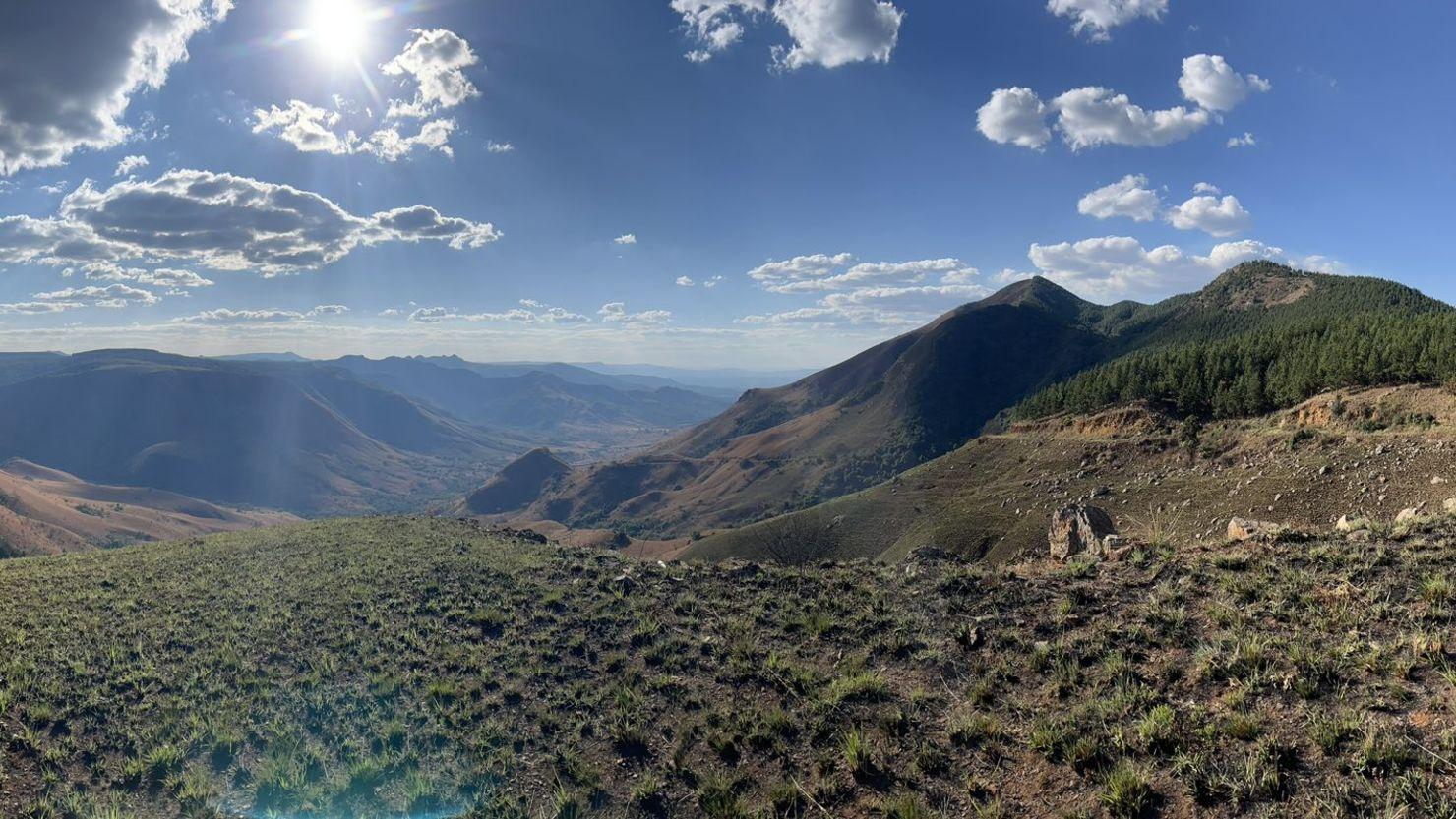
Drabon and her team studied the Barberton Makhonjwa Mountains in South Africa, a region rich in geological evidence of ancient impact events. They focused on identifying tiny impact particles known as spherules, which formed during meteorite strikes. By analyzing these spherules and the surrounding rock layers, the researchers reconstructed the environmental conditions following the S2 impact.

Drabon described the scene, stating:

“Picture yourself standing off the coast of Cape Cod, in a shelf of shallow water… then all of a sudden, you have a giant tsunami sweeping by and ripping up the seafloor.”

Tsunami and Nutrient Enrichment

The S2 meteorite, measuring between 23 and 36 miles (37 and 58 kilometers) in diameter, unleashed waves of destruction that included a massive tsunami. The heat from the impact caused the upper layer of the ocean to boil, evaporating water and forming salts. The darkened skies, filled with dust from the impact, disrupted photosynthesis in marine microorganisms, temporarily hindering life on the surface.

However, the deep ocean benefited from this upheaval. The tsunami stirred up iron and other nutrients, while erosion released phosphorus from the meteorite. This surge of nutrients was crucial for the survival and proliferation of single-celled organisms that thrived in the post-impact environment.

Drabon noted:

“The impact released essential nutrients, such as phosphorus, on a global scale. A student aptly called this impact a ‘fertilizer bomb.’”

Comparison with Chicxulub Impact

While both the S2 and Chicxulub impacts caused significant disruptions to life, their effects varied due to the size of the impacting bodies and the stage of Earth’s development at the time. The Chicxulub impact released sulfur into the atmosphere, leading to a dramatic drop in surface temperatures and a longer recovery period for marine life. In contrast, the S2 impact created conditions that allowed life to bounce back more rapidly, as the oceans filled back in and dust settled.

Drabon explained:

“Life during the time of the S2 impact was much simpler… you might eliminate 99.9% of bacteria, but by evening, they have returned.”

Future Research Directions

The findings from the Barberton Makhonjwa Mountains are opening new avenues for understanding Earth’s history of impacts and their role in the evolution of life. Ben Weiss, a professor of Earth and planetary sciences at MIT, emphasized the significance of these observations, stating that they provide insights into the global effects of ancient impacts.

Drabon and her team aim to explore how common such environmental changes and biological responses were after other ancient impacts, analyzing how both positive and negative effects shaped the early stages of life on Earth.

Conclusion

The S2 meteorite’s impact, rather than being solely catastrophic, may have played a pivotal role in nurturing early life by enriching the oceans with vital nutrients. This research enhances our understanding of the complex interactions between extraterrestrial events and the evolution of life on our planet.

Telescope with World’s Largest Digital Camera Set to Transform Astronomy

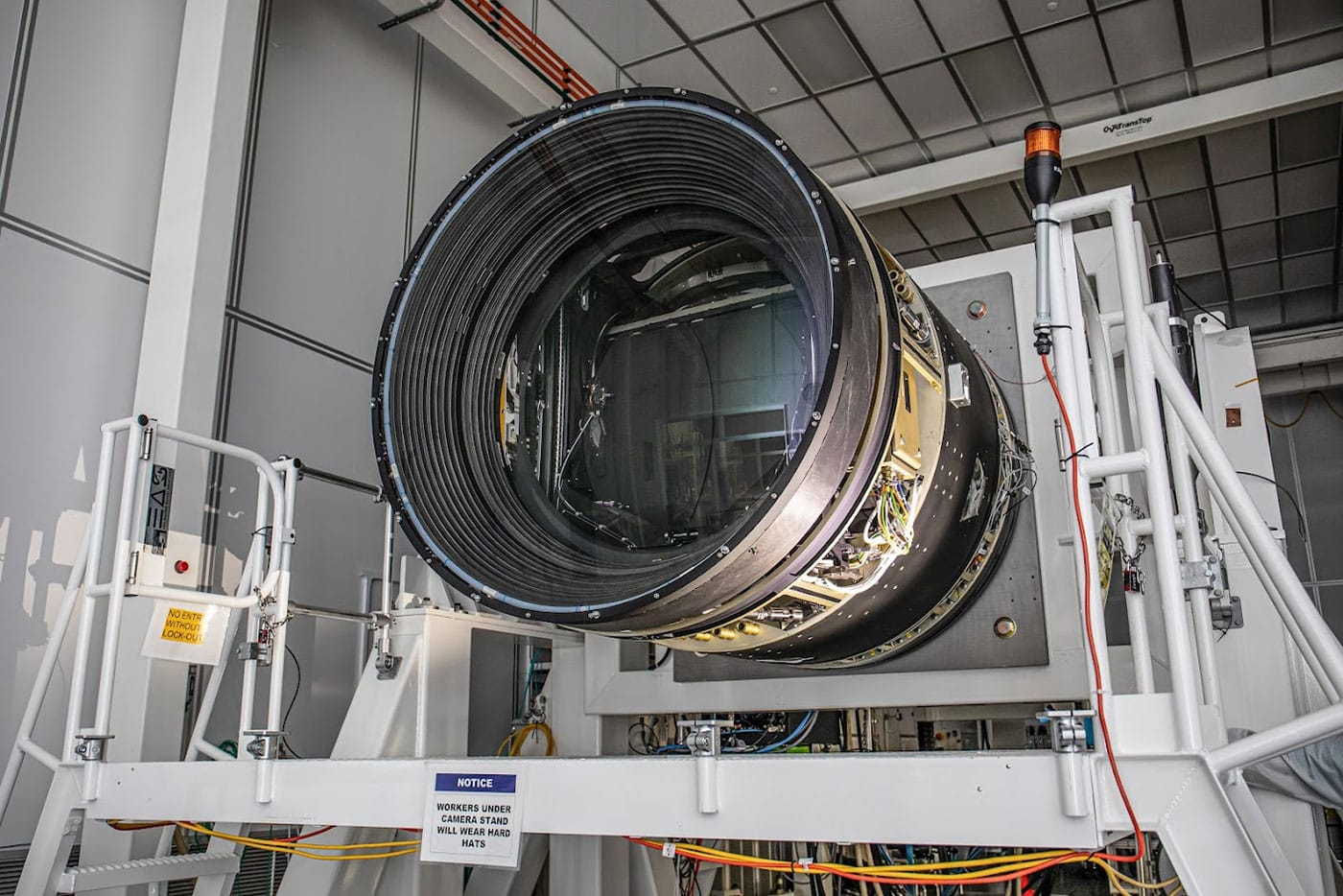
On a mountaintop in northern Chile, the world’s largest digital camera is gearing up for an ambitious mission: to photograph the entire night sky in unprecedented detail, unlocking some of the universe’s most profound secrets. This monumental project, housed within the Vera C. Rubin Observatory, is poised to revolutionize our understanding of the cosmos.

Overview of the Vera C. Rubin Observatory

Located on Cerro Pachón, a mountain standing 2,682 meters (8,800 feet) tall, the observatory features a groundbreaking camera with a resolution of 3,200 megapixels—equivalent to about 300 smartphones. Each image captured will encompass a sky area as large as 40 full moons.

The telescope aims to conduct a complete survey of the visible sky every three nights, generating thousands of images that will reveal celestial movements and brightness changes. Over its ten-year mission, the Vera Rubin Observatory expects to identify approximately 17 billion stars and 20 billion galaxies previously unseen.

“There’s so much that Rubin will do,” explains Clare Higgs, the observatory’s astronomy outreach specialist. “We’re exploring the sky in a way that we haven’t before, giving us the ability to answer questions we haven’t even thought to ask.”

Construction and Purpose

Under construction since 2015, the observatory is named after Vera Rubin, a pioneering American astronomer who confirmed the existence of dark matter before her passing in 2016. Initially funded through private donations from notable figures like Bill Gates and Charles Simonyi, the project later received support from the U.S. Department of Energy and the National Science Foundation.

The observatory’s location in the Chilean Andes is ideal for optical astronomy, with its high altitude, dry climate, and minimal light pollution enhancing the sensitivity of the instruments. Higgs notes, “You want a very still and well-understood atmosphere, and the quality of the night sky in Chile is exceptional.”

Expected to begin operations in 2025, the observatory is currently in its final construction stages. The team is working diligently to assemble and align all components, with plans to commence initial observations by late 2025, contingent on successful testing.

The Legacy Survey of Space and Time (LSST)

The primary mission of the Vera Rubin Observatory is the Legacy Survey of Space and Time (LSST). This ten-year project aims to capture the southern sky every night and repeat that every three nights, essentially creating a “movie” of the southern sky.

The camera can take an image every 30 seconds, generating an astonishing 20 terabytes of data daily. By the end of the survey, it is anticipated that more than 60 million gigabytes of raw data will be collected. Images will be transferred to California for analysis using AI and algorithms, resulting in about 10 million alerts per night for any observable changes in the sky.

Research Areas and Potential Discoveries

The data collected will cover four main research areas:

  1. Inventory of the Solar System: Including the search for Planet Nine.
  2. Mapping the Milky Way: Understanding our galaxy’s structure.
  3. Exploring Transients: Observing objects that change position or brightness over time.
  4. Understanding Dark Matter: Investigating the nature of this elusive substance.

Higgs notes, “We’ll go from a couple of observed events to statistically large samples, and the science impact of what that can do is huge.”

Excitement in the Astronomical Community

The astronomical community is abuzz with anticipation for the Vera Rubin Observatory. According to David Kaiser, a physics professor at MIT, the telescope will enable unprecedented mapping of dark matter through gravitational lensing, allowing for better understanding of how dark matter interacts with visible matter.

Professor Konstantin Batygin from Caltech adds that the observatory could provide critical insights into the Planet Nine hypothesis, helping astronomers to better understand the dynamics of the outer solar system.

Dr. Kate Pattle from University College London highlights that the observatory will make significant strides in studying astronomical transients, tracking supernova remnants, and monitoring high-energy gamma-ray bursts.

Conclusion

As the Vera C. Rubin Observatory prepares for its groundbreaking mission, astronomers are poised to gain insights that may redefine our understanding of the universe. With its advanced technology and ambitious goals, the observatory is not just a project; it is a potential game-changer for the field of astronomy.