NOAA Issues Severe Solar Storm Alert: Auroras Expected Across the U.S. with Potential Power Grid Disruptions

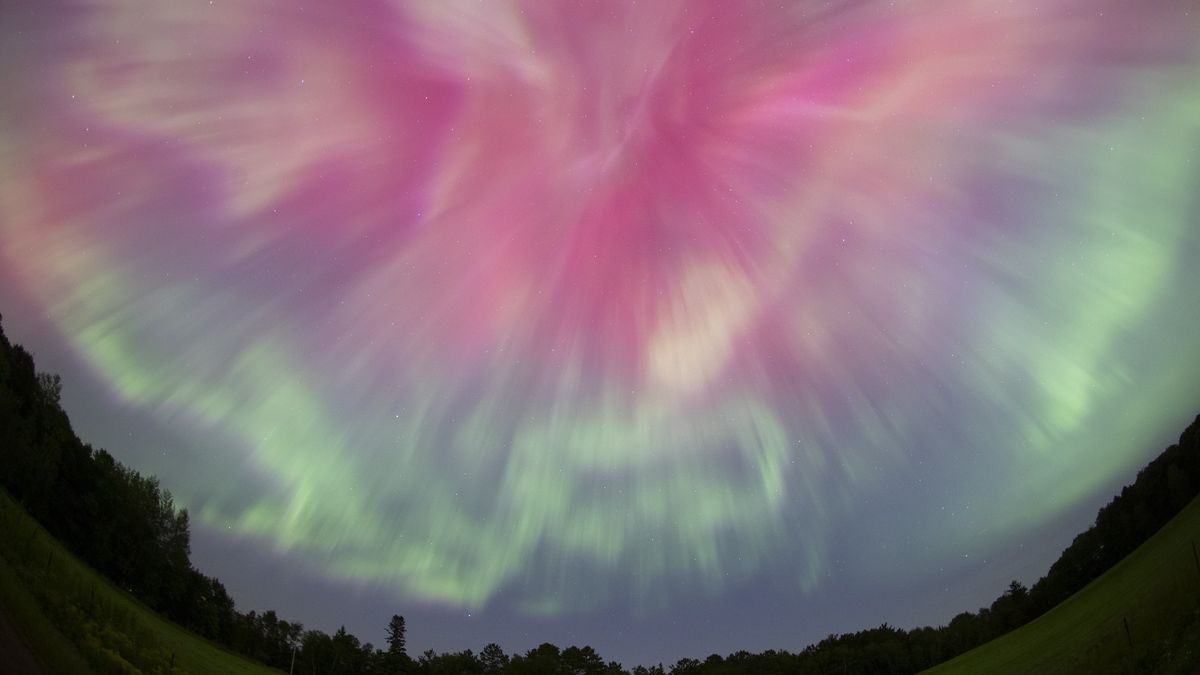
A significant solar storm is set to reach Earth on Thursday, October 10th, as predicted by the U.S. National Oceanic and Atmospheric Administration (NOAA). This geomagnetic event has the potential to create breathtaking auroras across various regions while also posing risks to radio communications, power grids, and satellite operations. The NOAA’s Space Weather Prediction Center (SWPC) has issued a G4-class geomagnetic storm warning, indicating that this storm is one of the strongest to be observed, following a similar event in May that captivated skywatchers with its vivid displays.

The upcoming solar storm is a result of a powerful solar flare classified as X1.8, which erupted from the sun during the night of October 8th. This flare was accompanied by a coronal mass ejection (CME), a massive burst of solar wind and magnetic fields rising above the solar corona. As the CME travels towards Earth, its magnetic field will interact with our planet’s magnetic field, leading to increased geomagnetic activity. Shawn Dahl, a service coordinator at the SWPC, noted that the extent of the storm’s impact will largely depend on the alignment of the CME’s magnetic field with that of Earth. A direct alignment could result in a more intense storm, while a misalignment might reduce the storm’s overall effects.

In addition to the stunning visual effects expected in the night sky, this solar storm poses potential challenges for various technologies. Radio communications, particularly those relying on high-frequency bands, may experience disruptions, impacting aviation and maritime operations. Furthermore, the storm could lead to voltage fluctuations in power grids, prompting utility companies to prepare for possible impacts. The heightened geomagnetic activity might also affect satellites in orbit, potentially leading to signal degradation and operational challenges.

As the solar storm approaches, scientists and enthusiasts alike are preparing for the opportunity to witness the natural beauty of the auroras. The NOAA advises skywatchers to find locations away from city lights for the best viewing conditions. While the storm may bring awe-inspiring visuals, awareness of its potential impacts on technology and infrastructure remains crucial. With advancements in forecasting, experts will continue to monitor the storm’s progress and provide updates, ensuring that communities and industries can adequately prepare for the effects of this powerful solar event.
Ancient Silk Road Cities Unearthed in Uzbekistan’s Mountains

Recent archaeological findings in the eastern mountains of Uzbekistan have revealed the remains of two medieval cities, challenging existing narratives about the Silk Road trade routes. This discovery not only uncovers hidden settlements but also enriches our understanding of historical trade dynamics between East and West.

REWRITTEN TEXT

Archaeologists have made a groundbreaking discovery of two ancient cities in the high mountains of eastern Uzbekistan, a finding that could significantly alter our understanding of the legendary Silk Road. Traditionally, the Silk Road has been associated with lowland cities; however, the use of advanced remote sensing technology has led researchers to uncover at least two high-altitude settlements that played a crucial role along the trade routes.

The larger of the two cities, named Tugunbulak, covers over 120 hectares and is situated at an altitude of more than 2,000 meters (6,600 feet). This elevation, once considered inhospitable, has surprised researchers, marking Tugunbulak as a significant urban center from the 8th to the 11th centuries, during a period dominated by a powerful Turkic dynasty. Archaeologist Farhod Maksudov, part of the research team, stated, “The history of Central Asia is now changing with this finding.”

The discovery was made possible through a collaboration between Uzbekistan’s National Center of Archaeology and Washington University in St. Louis, led by Maksudov and Michael Frachetti. Their innovative approach employed drones and a remote-sensing tool called lidar, which utilizes reflected light to generate detailed three-dimensional mappings of the terrain. The research was recently published in the scientific journal Nature and has been hailed for its potential to illuminate the lives of nomadic communities in the region.

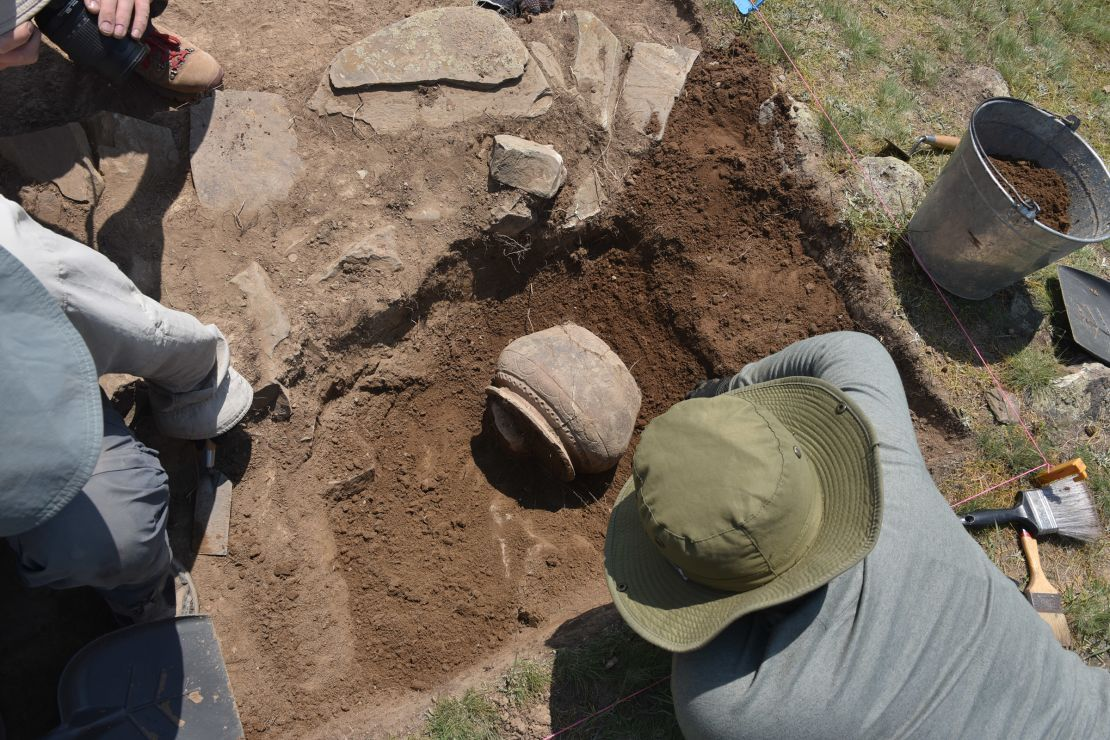
The team initially discovered the smaller city, Tashbulak, in 2011 during a trekking expedition. They unearthed burial sites and numerous pottery shards, indicating past habitation. While historical records hinted at cities in the area, the researchers were astonished to find a 12-hectare medieval settlement located at an elevation of about 2,200 meters. “We were kind of blown away,” Frachetti remarked, noting the rough conditions faced during their expeditions, including severe winds and logistical hurdles.

A pivotal moment came in 2015 when a local forestry administrator encouraged the team to explore another site near Tashbulak, revealing that his home was built atop a medieval citadel. “He was living on a huge city,” Frachetti recalled, highlighting the unexpected nature of their findings.

One of the significant challenges the team faced was convincing the academic community of the existence and extent of these highland cities. Frachetti described skepticism from peers, who were doubtful about the scale of their findings, often dismissing them as mere mounds or ruins of lesser significance.

In 2022, the team returned with a drone outfitted with a lidar sensor, allowing them to penetrate the surface and reveal structures such as walls, guard towers, and intricate architectural features in Tugunbulak. The researchers theorize that the communities may have settled in these cities to harness strong winds for iron smelting, as the region is rich in iron ore. Preliminary excavations have also uncovered production kilns, underscoring the area’s historical significance in metal production. “Whoever had iron in their hands in medieval times was very powerful,” Maksudov explained, although he cautioned that this resource exploitation may have contributed to environmental degradation, destabilizing the region.

Traditionally, scholars anticipated settlements to be found in lower valleys, making these high-altitude discoveries particularly remarkable. Professor Peter Frankopan from Oxford University described the findings as a “treasure trove,” revealing deep interconnections across Asia and the historical exploitation of natural resources.

High-altitude urban sites are extremely rare in archaeology due to the unique challenges communities face in such environments. Zachary Silvia, an archaeologist at Brown University, noted that the team’s work represents a significant advancement in our understanding of medieval urbanism in Central Asia, contributing valuable insights into the region’s complex history.


The Caspian Sea Faces an Uncertain Future Amid Rapid Decline

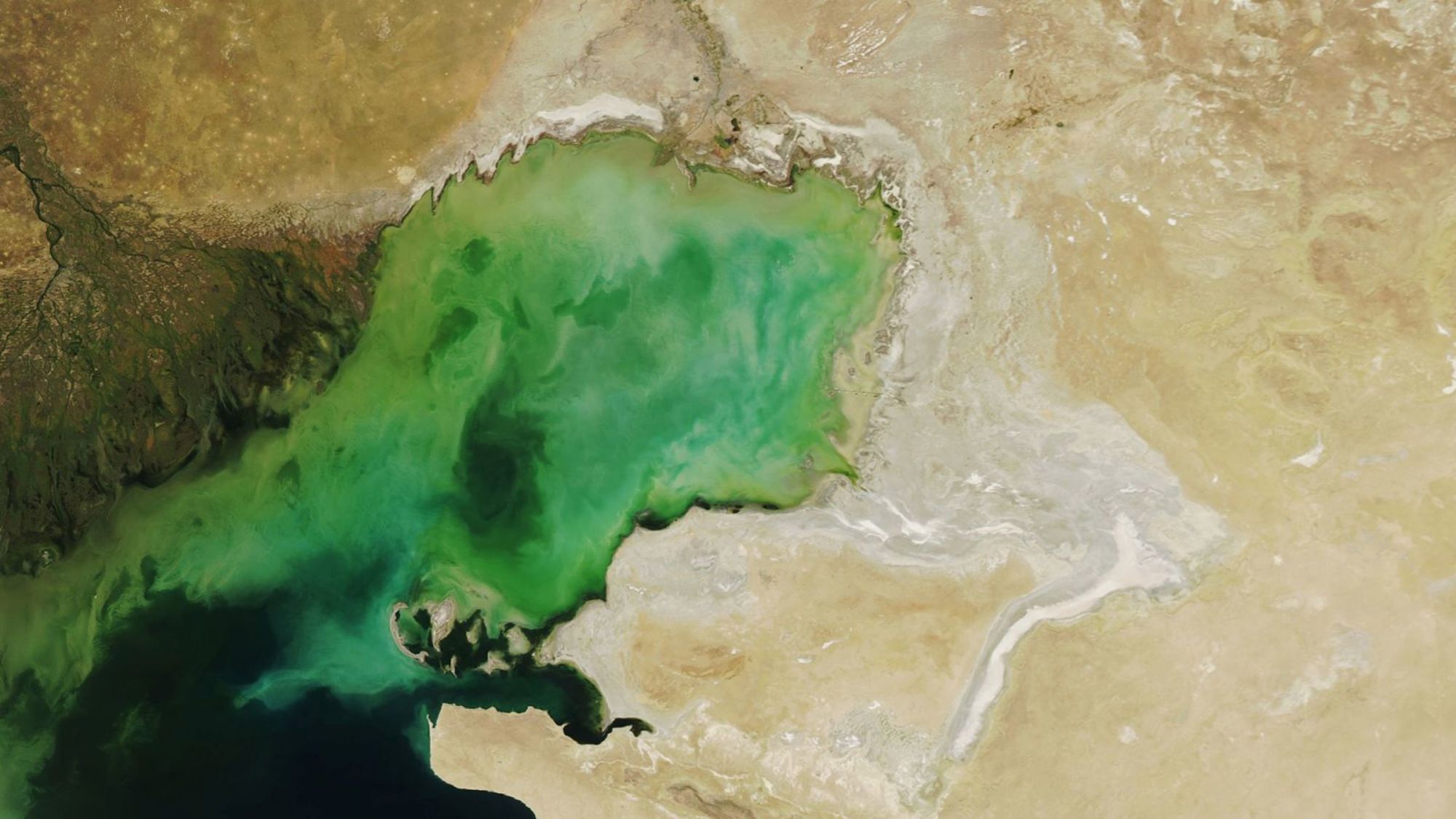
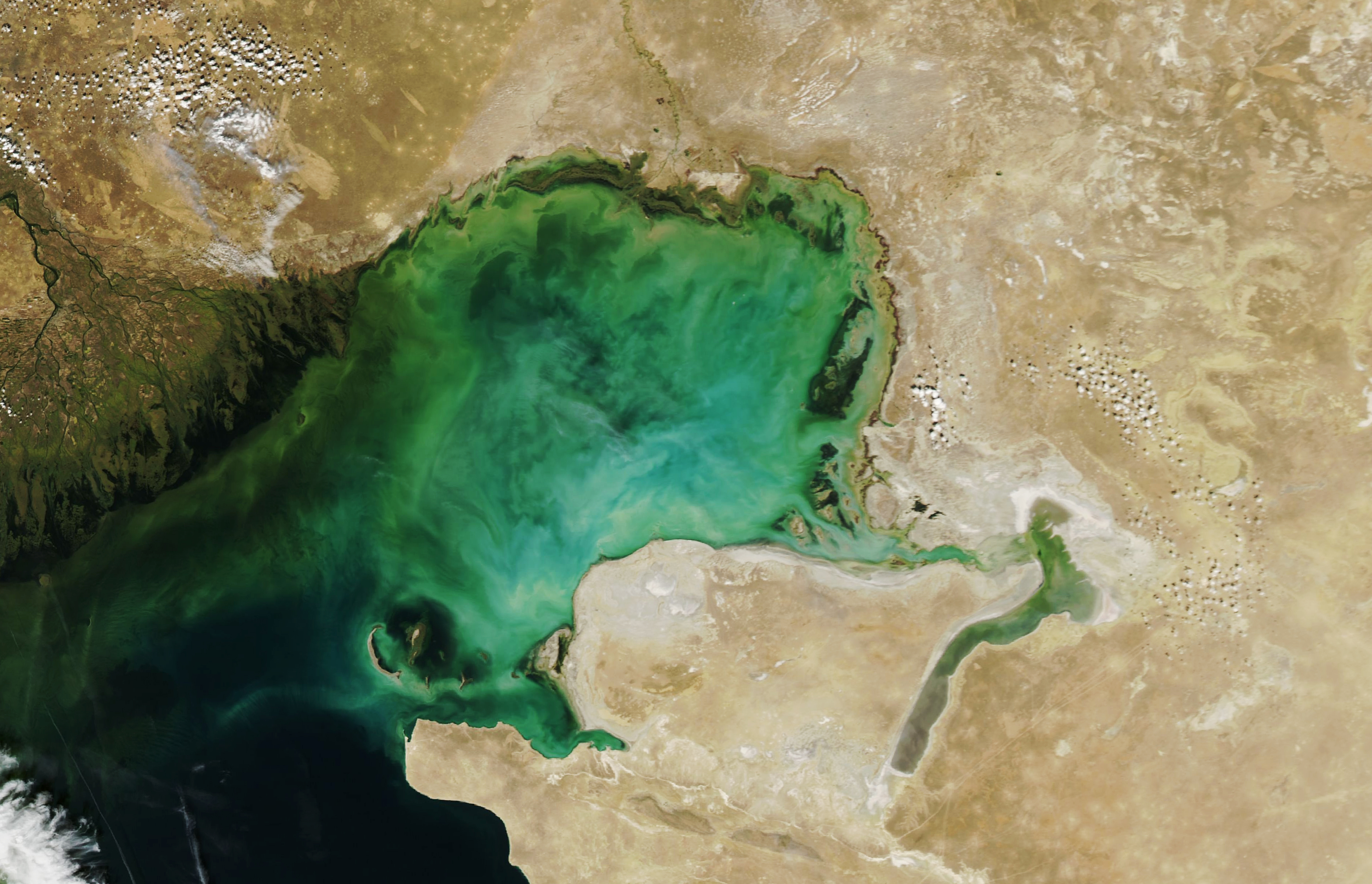
The Caspian Sea, the world’s largest inland body of water, is rapidly shrinking, causing alarm among environmentalists and local communities who depend on it. Eco-activists like Azamat Sarsenbayev from Kazakhstan and photographer Khashayar Javanmardi from Iran share their deep concerns as they witness the dramatic changes affecting their lifeblood.

A Troubling Decline

Once brimming with life and beauty, the Caspian Sea is now marred by stark declines in water levels. Sarsenbayev recalls a time when he could leap into its waters near Aktau, but now he faces a barren landscape. Meanwhile, Javanmardi laments the pollution that has rendered the water unfit for swimming along the southern shores. Both men, who have grown up beside the sea, fear for its future.

The Sea’s Importance

Covering an area roughly the size of Montana, the Caspian Sea is bordered by Kazakhstan, Iran, Azerbaijan, Russia, and Turkmenistan. These nations rely on the sea for fishing, farming, tourism, and drinking water, while it also plays a crucial role in regulating the climate of Central Asia. Unfortunately, a combination of human activity, pollution, and climate change is pushing this vital ecosystem toward an irreversible decline.

Human Impact and Climate Change

The Caspian Sea’s precarious balance is affected by multiple factors, including damming and over-extraction of water from the rivers that feed it—predominantly the Volga River. With approximately 80% of its inflow coming from this single river, Russia’s extensive dam construction has dramatically reduced water levels. Additionally, climate change exacerbates the situation by increasing evaporation and causing erratic rainfall patterns.

According to Earth systems modeler Matthias Prange, the sea has lost about 5 feet in water levels since the mid-1990s, with projections indicating a further decline of 8 to 18 meters (26 to 59 feet) by century’s end, depending on global fossil fuel emissions.

Picture background

Ecological Crisis

The implications of this decline are dire for the Caspian’s unique wildlife, including the endangered wild sturgeon and Caspian seals. With diminishing water levels, oxygen depletion threatens aquatic life that has existed for millions of years. Notably, the seal population has plummeted, with aerial surveys showing alarming reductions in numbers, leaving researchers like Assel Baimukanova deeply concerned.

Potential Geopolitical Tensions

The dwindling resources may also spark geopolitical tensions among the five bordering countries. As each nation seeks to capitalize on the remaining resources, conflicts over oil, gas, and water rights could arise. This situation mirrors the catastrophic decline of the Aral Sea, which serves as a cautionary tale of environmental mismanagement.

Calls for Collective Action

Experts emphasize that addressing the Caspian Sea’s crisis requires collective action among the bordering nations. With significant political instability in the region, finding common ground may be challenging. If countries fail to cooperate, the Caspian Sea might face irreversible damage, similar to what befell the Aral Sea.

A Call to Awareness

As global leaders prepare for COP29 in Baku, Azerbaijan, where they will discuss climate actions, the plight of the Caspian Sea is becoming increasingly urgent. Despite acknowledging the crisis, Azerbaijan continues to expand fossil fuel production, raising concerns about balancing economic interests with ecological preservation.

Activists like Sarsenbayev and Javanmardi are striving to raise awareness through social media and photography, urging the public to recognize the significance of the Caspian Sea. Javanmardi poignantly states, “This is the biggest lake in the world; all people should consider it as something important.”

Conclusion: An Urgent Need for Change

The Caspian Sea’s future hangs in the balance as climate change and human activities threaten its existence. Without immediate and cooperative efforts from the bordering nations, the world may witness yet another environmental tragedy, leaving communities like those of Sarsenbayev and Javanmardi with nothing but memories of the vibrant sea they once cherished.