Novo Nordisk Shares Dip Amid Earnings Miss and Reduced Profit Outlook

Novo Nordisk experienced a dip in its share price after posting weaker-than-expected net profit for the second quarter and revising its operating profit outlook downwards. The pharmaceutical giant reported a net profit of 20.05 billion Danish kroner ($2.93 billion) for the quarter ending in June, falling short of the 20.9 billion Danish kroner projected by LSEG analysts. Additionally, the company’s EBIT (earnings before interest and tax) was 25.93 billion Danish kroner, below the forecasted 26.86 billion Danish kroner.

In response to these results, Novo Nordisk adjusted its full-year 2024 operating profit growth expectations to a range of 20% to 28%, down from the previous 22% to 30%. This announcement caused the company’s shares to tumble nearly 7% before recovering slightly, trading down 2.71% by 9:40 a.m. London time.
Despite the disappointing second-quarter earnings, Novo Nordisk raised its sales growth guidance for the full year, expecting growth between 22% and 28% at constant exchange rates, up from the previous estimate of 19% to 27%. This optimism is partly driven by a 55% increase in sales of its popular weight loss drug, Wegovy, which reached 11.66 billion kroner in the second quarter compared to the same period in 2023.

CEO Lars Fruergaard Jørgensen expressed confidence in the company’s future growth, highlighting the potential for “attractive growth” in the coming months. He assured investors of the company’s ability to scale operations and supply patients, emphasizing that adjustments to rebates were a factor in the second-quarter results. Jørgensen remains positive about the long-term competitiveness of Novo Nordisk, even in the face of increasing competition from companies like Roche, which recently reported promising early-stage trial data for its obesity drug candidate.

Moreover, Novo Nordisk’s Wegovy has recently achieved significant milestones. The drug was approved for sale in China, the world’s second-largest economy, and received backing from medical regulators in the U.K. and European Union for reducing risks of serious heart events among overweight and obese adults.
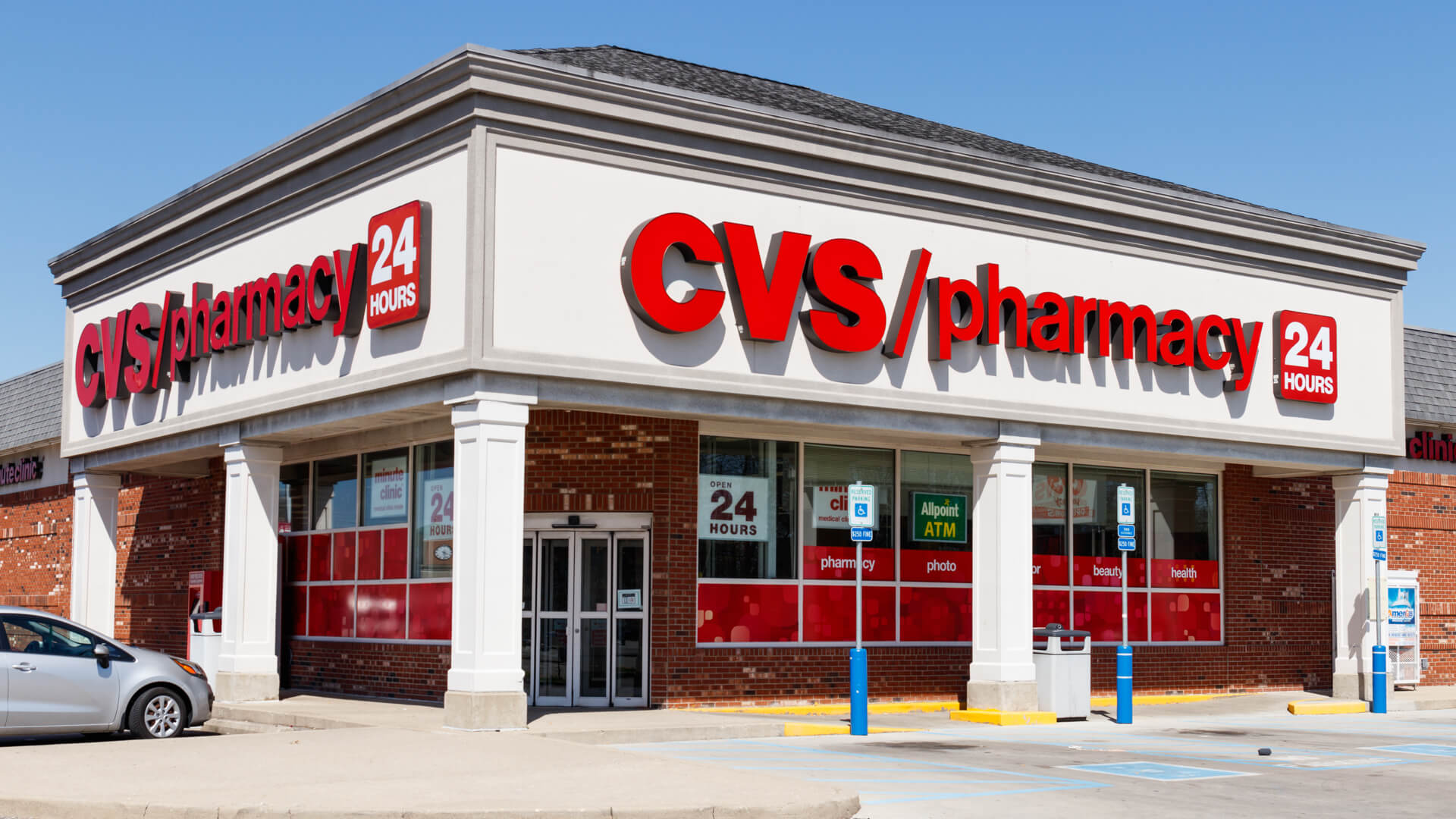
CVS Slashes Profit Guidance Amid Rising Insurance Costs

CVS Health has significantly reduced its full-year profit forecast and announced a plan to cut $2 billion in expenses over several years. This comes as rising medical costs impact the company and the broader U.S. insurance industry. The cost-cutting measures aim to streamline operations, increase the use of artificial intelligence and automation, and reassess the business portfolio.

A major leadership change accompanied the announcement: Aetna President Brian Kane will leave the company immediately. CVS CEO Karen Lynch will take over the management of the insurance unit, assisted by CFO Thomas Cowhey and Katerina Guerraz, who will become the unit’s chief operating officer.

CVS now expects adjusted earnings for 2024 to be between $6.40 and $6.65 per share, down from a previous minimum of $7 per share. The company also reduced its unadjusted earnings guidance to $4.95 to $5.20 per share from at least $5.64 per share. This marks the third consecutive quarter of lowered profit guidance, reflecting ongoing pressures on its health insurance segment due to increased medical costs and unfavorable Medicare Advantage star ratings.

The health insurance division, which includes Aetna’s plans for the Affordable Care Act, Medicare Advantage, Medicaid, dental, and vision, is under strain. Medical costs in the second half of the year are expected to surpass those in the first half, potentially requiring a premium deficiency reserve to cover future claims and expenses.

The broader industry context is also challenging. Insurers like UnitedHealth Group, Humana, and Elevance Health are seeing increased medical costs as more Medicare Advantage patients resume procedures delayed during the pandemic. Medicare Advantage plans, though a growth driver, are facing cost concerns, which is troubling Wall Street.

In the second quarter, CVS reported adjusted earnings per share of $1.83, surpassing the expected $1.73, on revenues of $91.23 billion, slightly below the anticipated $91.5 billion. The company saw a net income of $1.77 billion, down from $1.90 billion a year earlier. While the insurance segment’s revenue rose over 21% to $32.48 billion, its operating income fell short of expectations, and the medical benefit ratio increased, indicating higher medical expenses relative to premiums.

CVS’s health services segment saw a revenue decline of nearly 9% year-over-year to $42.17 billion, despite higher-than-expected sales. The pharmacy and consumer wellness division’s sales increased by over 3% to $29.84 billion but fell short of expectations, driven by increased prescription volume amidst pressures from pharmacy reimbursement and the launch of new generic drugs.

Merck Shares Fall 9% Despite Earnings Beat and Strong Demand for Key Drugs

Merck reported second-quarter revenue and adjusted earnings that exceeded Wall Street’s expectations, driven by strong sales from its blockbuster cancer drug Keytruda and other treatments in its oncology and vaccines portfolios, as well as a newly launched cardiovascular drug. Despite this, Merck’s shares fell by 9% due to lighter-than-expected sales of Gardasil, a vaccine for HPV, exacerbated by shipment issues in China.

Merck raised its full-year sales forecast to $63.4 billion to $64.4 billion, slightly up from its previous guidance of $63.1 billion to $64.3 billion. However, it lowered its adjusted profit guidance to a range of $7.94 to $8.04 per share, down from $8.53 to $8.65 per share, reflecting one-time charges for its acquisitions of Harpoon Therapeutics and EyeBio.

For the second quarter, Merck reported adjusted earnings per share of $2.28, surpassing the expected $2.15, and revenue of $16.11 billion, above the anticipated $15.84 billion. The company posted a net income of $5.46 billion, or $2.14 per share, compared to a net loss of $5.98 billion, or $2.35 per share, in the same period last year.

Keytruda recorded $7.27 billion in revenue, up 16% year-over-year, driven by higher uptake for earlier-stage cancers and strong demand for metastatic cancers. Gardasil sales increased by only 1% to $2.48 billion due to shipment timing issues in China. Winrevair, approved in March for treating a progressive lung condition, posted $70 million in revenue, while Capvaxive, a newly approved pneumococcal vaccine, is expected to drive future growth.

Merck’s pharmaceutical division saw a 7% increase in revenue to $14.41 billion. The company’s Type 2 diabetes treatment, Januvia, faced a 27% decline in sales to $629 million due to lower demand, prices, and generic competition. Sales of Merck’s Covid antiviral pill, Lagevrio, fell by 46% to $110 million but still exceeded expectations.

Merck’s animal health division reported $1.48 billion in sales, up 2% from the previous year, but slightly below analyst expectations. Despite strong overall performance, investor concerns about Gardasil sales and future challenges in the pharmaceutical landscape influenced the decline in Merck’s stock.