Yazılar

UAE to Build World’s Largest AI Campus Outside U.S. Under Landmark Trump-Era Deal

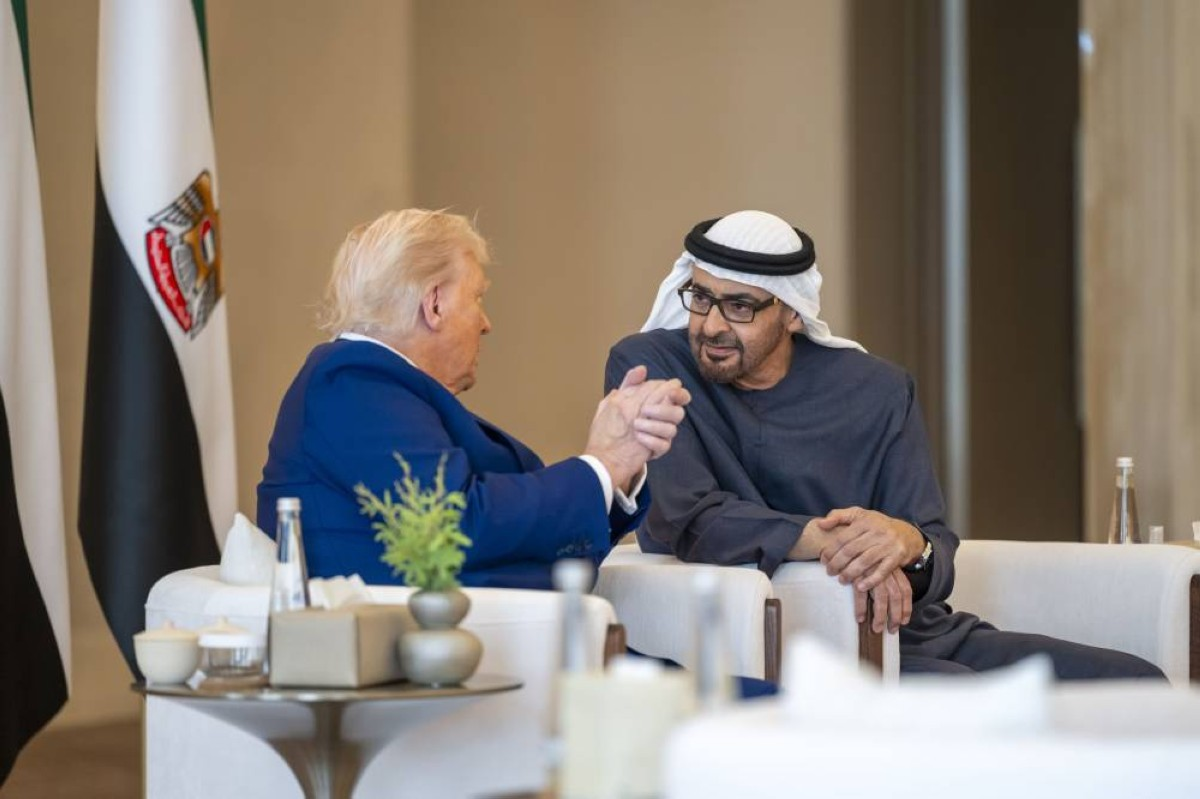
The United Arab Emirates (UAE) and the United States have signed a historic technology agreement to construct the largest artificial intelligence campus outside the U.S., signaling a major policy shift that clears the way for the UAE to access advanced U.S. AI chips, particularly from Nvidia.

Finalized during President Donald Trump’s visit to Abu Dhabi, the deal marks a significant easing of restrictions that previously barred such transfers over U.S. concerns about China’s access to critical technologies.

Key Components of the Agreement:

  • The AI campus, covering 10 square miles (25.9 km²), will be located in Abu Dhabi and have 5 gigawatts of power, enough to support 2.5 million Nvidia B200 chips, per estimates by Rand Corporation analyst Lennart Heim.

  • The facility will be developed by G42, a UAE state-backed firm, but operated and managed by American companies, ensuring compliance with U.S. security protocols.

  • The UAE has committed to build or finance data centers in the U.S. that are at least as powerful as those in the UAE, reinforcing reciprocal investment and security alignment.

Chip Access and U.S. Industry Involvement:

  • Sources say the UAE could be permitted to import up to 500,000 of Nvidia’s most advanced chips annually beginning in 2025.

  • The agreement includes support from U.S. tech giants:

    • Amazon Web Services will collaborate on cybersecurity and cloud adoption.

    • Qualcomm will help establish an AI engineering center in the region.

American companies will operate the data centers and offer American-managed cloud services throughout the region,” said U.S. Secretary of Commerce Howard Lutnick.

Strategic Implications:

The deal represents a recalibration of UAE tech policy, allowing it to:

  • Deepen ties with the U.S. on strategic technologies like compute infrastructure and cloud services

  • Maintain economic ties with China, while minimizing reliance on Chinese hardware in critical infrastructure

It doesn’t mean abandoning China,” said Mohammed Soliman of the Middle East Institute, “but recalibrating tech strategy to align with U.S. standards where it matters most.”

Geopolitical Context:

  • Under Biden, export controls were imposed to prevent chip diversion to China, limiting UAE access.

  • The Trump administration has reversed course, with AI czar David Sacks stating the Biden-era rules were “never intended to capture friends, allies, or strategic partners.”

  • In recent months, G42 and MGX have cut Chinese hardware use and divested from Chinese holdings to meet U.S. compliance conditions.

Still, Huawei and Alibaba Cloud remain active in the UAE, and past AI chip smuggling routes through Singapore, Malaysia, and the UAE have raised flags among U.S. regulators.

This deal marks a strategic turning point not just for U.S.-UAE relations, but for the global AI infrastructure race, cementing the UAE’s ambition to become a top-tier AI superpowerwith Washington’s blessing.

CoreWeave Shares Dip Despite $4B OpenAI Deal as Investor Concerns Over Spending Linger

CoreWeave (CRWV.O) shares fell 2.5% on Thursday despite announcing a major $4 billion expansion deal with OpenAI, as investor concerns persisted over the company’s aggressive spending plans relative to its projected revenue.

The Nvidia-backed cloud computing firm said during its first post-IPO earnings call on Wednesday that it plans to spend nearly four times its expected 2025 revenue, triggering skepticism despite strong top-line partnerships.

Key Deal Highlights:

  • OpenAI, a major CoreWeave client, will pay the company through April 2029, as per a newly disclosed regulatory filing.

  • This is in addition to their existing $11.9 billion, five-year cloud services contract, which includes equity ownership by OpenAI in CoreWeave.

  • CoreWeave also confirmed that it signed a new hyperscaler client, but declined to identify the company.

Market Reaction and Analyst Views:

  • Stock Performance: Despite the dip, CoreWeave shares remain up over 64% since their March IPO.

  • Analyst Reactions:

    • Morgan Stanley and MoffettNathanson speculate the unnamed new hyperscaler is Alphabet (Google), citing earlier reports that Google was exploring renting Nvidia chips from CoreWeave.

    • However, Gil Luria of D.A. Davidson & Co warned that hyperscalers are temporary clients, likely to exit once their own infrastructure catches up.

They will likely go away once they have built out enough of their own data centers,” Luria said.

Context: AI Boom Meets Investor Caution

CoreWeave is part of a growing class of infrastructure providers fueling the AI boom by offering GPU-as-a-service platforms to leading AI developers. Yet, the AI investment wave is entering a more scrutinized phase, as cheaper models from firms like DeepSeek raise questions about sustainability and margins.

Despite robust demand and high-profile partnerships, CoreWeave’s heavy capital expendituresfar outpacing revenue — remain a red flag for value-focused investors, especially as competitors build out in-house capabilities.

Still, at least seven brokerages have raised their price targets for CoreWeave stock to between $50 and $80, showing continued optimism about the company’s long-term role in AI infrastructure.

TensorWave Raises $100 Million to Expand AMD-Powered AI Infrastructure

TensorWave, a Las Vegas-based AI infrastructure startup, has raised $100 million in a Series A funding round to scale operations and meet rising demand for high-performance AI computing. The company did not disclose its current valuation.

The round was led by Magnetar and AMD Ventures, with participation from existing backers Maverick Silicon and Nexus Venture Partners, along with new investor Prosperity7.

As AI model development becomes increasingly compute-intensive, firms like TensorWave are positioning themselves as essential enablers by building GPU-based infrastructure designed for efficient model training and workload optimization.

This $100M funding propels TensorWave’s mission to democratize access to cutting-edge AI compute,” said CEO Darrick Horton.

Strategic Focus and Market Context

TensorWave plans to use the fresh capital to:

  • Scale operations and expand its team

  • Deploy AMD-powered GPU clusters

  • Accelerate delivery of infrastructure tailored to AI workloads

The announcement comes amid projections that the global AI infrastructure market will exceed $400 billion by 2027, driven by the rapid adoption of generative AI, machine learning, and data-intensive applications.

Unlike many competitors reliant on Nvidia hardware, TensorWave’s focus on AMD GPUs could offer cost advantages and diversification for AI developers seeking alternatives in a supply-constrained market.

Industry Momentum

The funding reflects growing investor confidence in companies that support the underlying layers of AI innovationparticularly those offering scalable, affordable compute infrastructure for startups, research institutions, and enterprises alike.

TensorWave joins a wave of AI infrastructure startups benefiting from explosive interest in model training platforms, data center hardware, and cloud-based acceleration solutions amid ongoing AI commercialization.