Yazılar

ABB Confident in Data Center Growth Despite DeepSeek’s Energy-Efficient AI

ABB CEO Morten Wierod expressed confidence in the continued growth of the data center market, despite concerns over the impact of DeepSeek’s low-energy AI models. Speaking on Thursday after ABB reported its fourth-quarter results, Wierod reassured investors that demand for the company’s electrification products remains strong.

DeepSeek, a Chinese AI startup offering a more energy-efficient alternative to U.S. rivals, caused a selloff in tech stocks earlier in the week after surpassing OpenAI’s ChatGPT in downloads on Apple’s App Store. The AI model’s ability to operate with significantly fewer chips raised fears that it could reduce demand for data center infrastructure, impacting suppliers like ABB. ABB’s stock dropped nearly 6% on Monday amid these concerns.

However, Wierod said discussions with major partners and customers indicated that capital expenditure plans for data centers remain unchanged. ABB has significantly benefited from data center expansion, with its orders in this sector growing by an average of 23% per year between 2019 and 2023. The pace accelerated in 2024, with data center-related revenue now contributing 15% to ABB’s electrification business, up from 12% in 2023 and 8% in 2022.

While Wierod declined to provide a forecast for 2025, he emphasized ABB’s strong positioning in the industry, particularly in China. He also highlighted the company’s role in improving data center energy efficiency, an increasingly important factor as AI computing demand surges. ABB’s motors and variable speed drives can reduce electricity consumption by up to 60%, while its uninterrupted power supply systems operate at 97.4% efficiency when converting electricity.

The company also expects to benefit from the $500 billion AI infrastructure investment announced last week by U.S. President Donald Trump, reinforcing the long-term demand for data center solutions.

“The need for data centers and AI will be very strong in the coming years,” Wierod said. “I have no doubt.”

 

India’s IT Minister Praises DeepSeek’s Low-Cost AI, Draws Parallels with IndiaAI Mission

India’s IT minister, Ashwini Vaishnaw, has praised Chinese startup DeepSeek for its groundbreaking low-cost AI assistant, highlighting the startup’s frugal approach as a model that resonates with India’s own AI ambitions. Speaking at an event in Odisha, Vaishnaw drew a comparison between the $5.5 million investment DeepSeek used to create a powerful AI model and India’s $1.25 billion commitment to the IndiaAI mission.

The IndiaAI mission, announced in March, aims to develop a robust AI ecosystem by funding startups and creating the necessary infrastructure to support AI innovation. Vaishnaw’s comments came as he pointed out the cost-effectiveness of DeepSeek’s approach, which took just two months and under $6 million to develop its AI model using Nvidia’s less-advanced H800 chips.

DeepSeek’s success has been a game-changer in the AI sector, surpassing OpenAI’s ChatGPT in downloads on Apple’s App Store. The startup’s impressive performance challenges the prevailing belief that China is far behind the U.S. in the AI race and raises questions about the high costs traditionally associated with building AI models.

Vaishnaw’s statement also appeared to counter remarks made by OpenAI CEO Sam Altman during a visit to India last year. Altman had expressed skepticism about India’s ability to develop a competitive AI model on a $10 million budget, calling it “totally hopeless” to compete on training foundation models. Vaishnaw’s comments are now drawing attention, especially as Altman is set to visit India again in early February amid a legal battle with Indian digital news and book publishers over copyright issues.


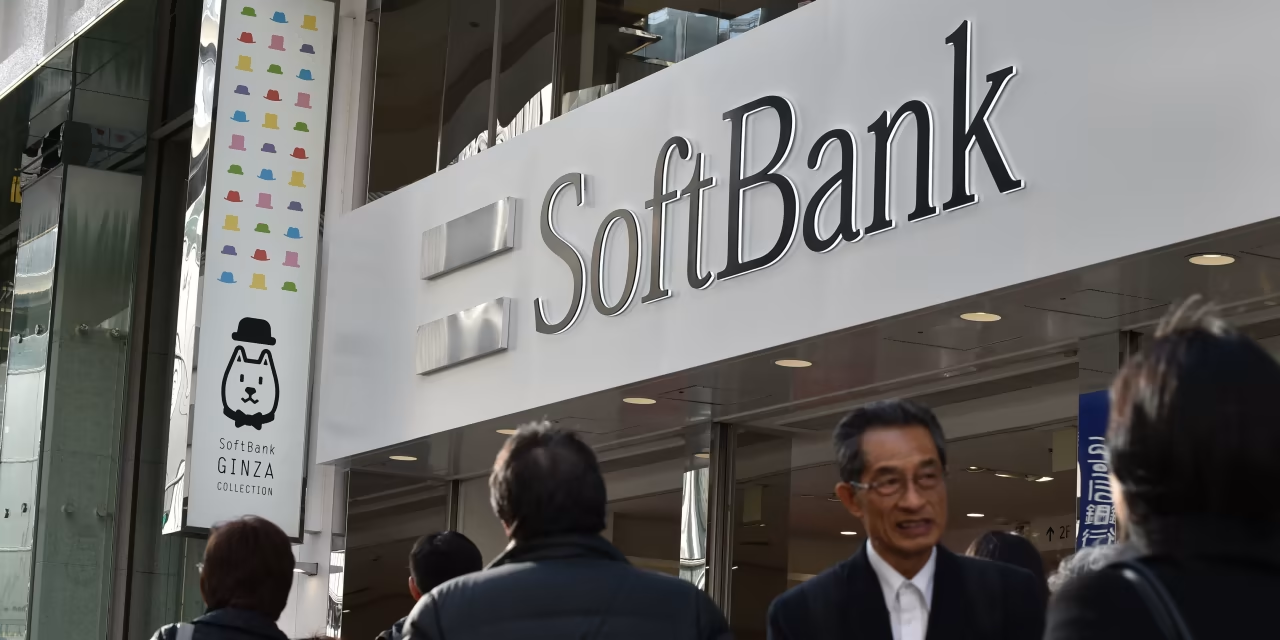
SoftBank in Talks to Invest Up to $25 Billion in OpenAI

SoftBank is in discussions to invest between $15 billion and $25 billion in OpenAI, the owner of ChatGPT, according to a source familiar with the matter. The move is part of the Japanese conglomerate’s ongoing efforts to expand its footprint in the AI sector. Some of the investment may go towards funding OpenAI’s commitment to Stargate, a joint venture between Oracle, OpenAI, and SoftBank.

The Stargate project aims to secure up to $500 billion in investments to keep the U.S. ahead of China and other global competitors in the AI race. SoftBank has already committed $15 billion to Stargate and is exploring additional financing options for the project. The investment talks with OpenAI are still in early stages, according to the source.

Earlier reports indicated that SoftBank is considering a total investment of $40 billion into both Stargate and OpenAI, including borrowing up to $18.5 billion in financing, secured by its publicly-listed assets. The venture was unveiled at a White House event last week, attended by U.S. President Donald Trump, SoftBank CEO Masayoshi Son, OpenAI CEO Sam Altman, and Oracle Chairman Larry Ellison.

However, SoftBank’s stock price has taken a hit following a market selloff triggered by the rise of DeepSeek, a Chinese AI startup that introduced a free AI assistant developed at a fraction of the cost of its U.S. competitors. This shift has raised concerns about the sustainability of business models that rely on expensive AI technology and contributed to a decline in SoftBank’s shares, which were down 1% in morning trading on Thursday.

Despite this, SoftBank remains committed to strengthening its position in the AI sector. The company already holds a $1.5 billion stake in OpenAI, which was valued at $157 billion in its most recent funding round. SoftBank and OpenAI have yet to comment on the reported investment discussions.