Yazılar

OpenAI Calls for U.S. Investment and Regulation to Maintain AI Leadership Over China

OpenAI released its “Economic Blueprint” on Monday, emphasizing the need for the U.S. to attract investment and implement strategic regulations to retain its dominance in artificial intelligence (AI) as competition with China intensifies. The 15-page document outlined essential steps for the U.S. to secure its position, highlighting the importance of chips, data, and energy as critical components in the global AI race.

The release of this vision comes just ahead of President-elect Donald Trump taking office, whose administration is anticipated to be more supportive of the tech sector. David Sacks, a former PayPal executive, is expected to play a key role as the administration’s AI and crypto policy lead. OpenAI CEO Sam Altman, who donated approximately $1 million to Trump’s inaugural fund, joins other industry leaders in seeking to establish closer ties with the new administration.

Calls for Investment and Regulation

OpenAI warned that an estimated $175 billion in global funds is poised for investment in AI projects, stressing that the U.S. must act swiftly to attract these resources. “If the U.S. doesn’t secure these funds, they will flow to China-backed projects, strengthening the Chinese Communist Party’s global influence,” the blueprint stated.

The company also proposed export controls on advanced AI models to prevent their misuse by adversarial nations. This move aligns with growing concerns about how AI technologies could be weaponized or otherwise used to undermine global stability.

Washington Push and Funding Strategy

OpenAI plans to host an event in Washington, D.C., later this month to further discuss its recommendations and rally support for its initiatives. This advocacy comes as the Microsoft-backed startup aims to expand its funding base. OpenAI raised $6.6 billion last year and is looking to convert into a for-profit business model to sustain its growth in the increasingly competitive and costly AI sector.

As part of its vision, OpenAI urged the U.S. to establish a national framework for AI regulation, which would balance innovation with security concerns. Such a framework would also help cement the U.S.’s leadership in shaping global AI standards.
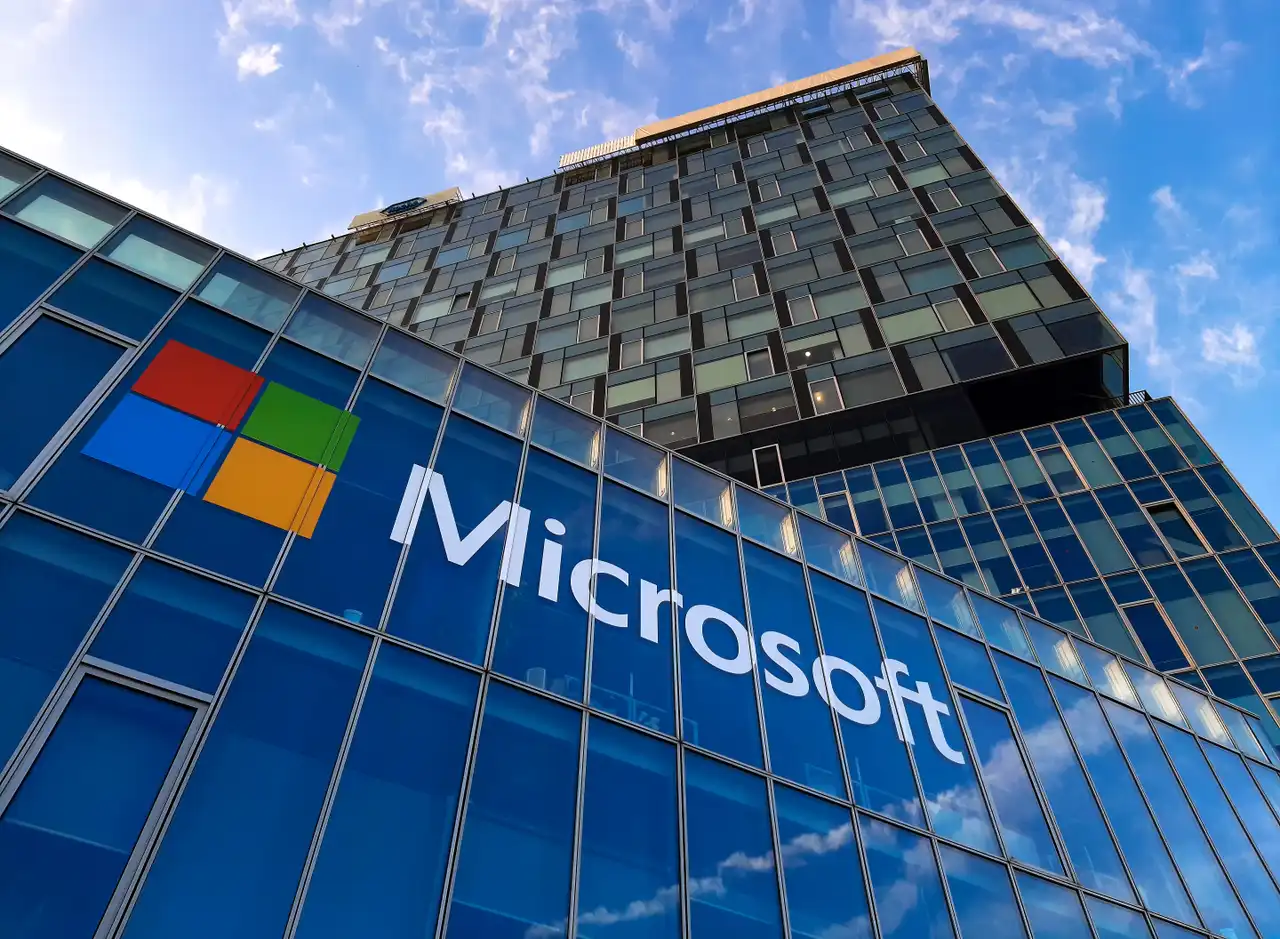

 

Microsoft Halts Hiring in U.S. Consulting Unit Amid Cost-Cutting Efforts

Microsoft has decided to pause hiring within its U.S. consulting unit as part of a broader effort to reduce costs, according to a report by CNBC on Tuesday. The move is intended to help the tech giant manage its expenses while continuing to prioritize investments in artificial intelligence (AI).

Earlier this month, Microsoft announced plans to invest $80 billion in fiscal year 2025, primarily focused on developing data centers for training AI models and deploying AI and cloud-based applications. To support these efforts, Microsoft has implemented a series of cost-saving measures within its consulting division. This includes halting new hires and refraining from filling open roles. Derek Danois, a consulting executive at Microsoft, informed employees of the decision in an internal memo.

In addition to the hiring freeze, the memo emphasized strict cost management, instructing employees to refrain from expensing travel for internal meetings, encouraging the use of remote sessions instead. The consulting division, part of Microsoft’s broader Customer and Partner Solutions organization, is also reducing marketing and non-billable external resource spending by 35%.


Nvidia Dominates Retail Investment in 2024 Amid AI Boom

Retail investors have propelled Nvidia to unprecedented heights in 2024, making it the most-bought equity of the year. With artificial intelligence becoming integral to daily life, individual traders have flocked to the chipmaker, seeing it as a key beneficiary of the AI revolution. This trend is exemplified by 25-year-old Michigan investor Michael MacGillivray, who has invested thousands of dollars in Nvidia shares this year, saying, “Whenever you look at AI, it’s like all roads lead to Nvidia.”

Data from Vanda Research indicates that everyday investors have poured nearly $30 billion into Nvidia in 2024, almost double the net inflows into the SPDR S&P 500 ETF Trust (SPY) and far surpassing Tesla, last year’s retail favorite. Nvidia’s meteoric stock rise—up more than 180% this year—has pushed its market capitalization past $3 trillion, making it the second-most valuable company in the U.S.

The stock now accounts for over 10% of the average retail investor’s portfolio, up from 5.5% at the start of the year. This represents an 885% increase in retail inflows compared to three years ago, underscoring Nvidia’s growing appeal among everyday traders. Investors like Genevieve Khoury, a social media marketer in Los Angeles, see Nvidia as a long-term play. Khoury, who started investing in 2022 based on her father’s advice, plans to use her gains for major purchases in the future, saying, “I’m just holding it.”

Retail enthusiasm for Nvidia has been particularly strong around earnings reports, with inflows spiking during those periods. While the stock’s rapid price growth has cooled recently, experts like D.A. Davidson’s Gil Luria believe Nvidia has reached more sustainable levels, maintaining its leadership in AI and innovation.

Nvidia’s popularity has extended beyond digital trading platforms, with events like a New York City watch party for its earnings report further showcasing its influence. However, some analysts note that Nvidia lacks the cult-like CEO figure—such as Elon Musk of Tesla—that often galvanizes retail investors.

Looking ahead, other companies like Palantir are gaining traction among individual traders. Palantir’s stock has risen nearly 380% in 2024, and its CEO Alex Karp has openly acknowledged the role of retail investors in the company’s success. Investors like Khoury are now diversifying into names like Palantir, hoping to replicate Nvidia’s phenomenal performance.

Despite its recent volatility, Nvidia remains a testament to retail investors’ growing influence in shaping market trends, solidifying its status as an AI powerhouse and an investment darling in 2024.