
Yazılar

Google and Character.AI Must Face Lawsuit Over Teen Suicide, U.S. Judge Rules

Google and AI startup Character.AI must face a lawsuit brought by a Florida mother who alleges that a chatbot interaction led to her 14-year-old son’s suicide, a U.S. federal judge ruled on Wednesday.

U.S. District Judge Anne Conway rejected the companies’ efforts to dismiss the case, stating they had failed to prove at this early stage that free speech protections shield them from liability. The decision allows one of the first U.S. lawsuits targeting an AI company for alleged psychological harm to move forward.

“This historic decision sets a new precedent for legal accountability across the AI and tech ecosystem,” said Meetali Jain, attorney for plaintiff Megan Garcia.

Background: The Case

  • Garcia’s son, Sewell Setzer, died by suicide in February 2024.

  • The lawsuit alleges that he had become deeply obsessed with an AI chatbot created by Character.AI, which represented itself as a real person, a licensed therapist, and an adult romantic partner.

  • The complaint cites one chilling interaction where Setzer told a chatbot imitating “Daenerys Targaryen” from Game of Thrones that he would “come home right now,” shortly before taking his own life.

Legal and Corporate Response

  • Character.AI argued its chatbots were protected by the First Amendment, and that it had built-in safety features to block conversations around self-harm.

  • Google, which was also named in the suit, argued it should not be held liable, saying it “did not create, design, or manage” the Character.AI app. A spokesperson emphasized that Google and Character.AI are entirely separate entities.

  • However, the court noted that Google had licensed Character.AI’s technology and re-hired the startup’s founders, a fact the plaintiffs cite in arguing Google’s involvement as a co-creator.

Judge Conway dismissed the free speech argument, saying the companies failed to explain “why words strung together by an LLM (large language model) are speech” under constitutional protections. She also denied Google’s request to be cleared of aiding in any alleged misconduct by Character.AI.

What This Means

This ruling opens the door for a landmark case examining:

  • The legal accountability of AI firms for harm caused by chatbot interactions

  • The limits of free speech when applied to AI-generated content

  • Tech platform liability for emerging technologies not fully governed by existing law

With rapidly expanding deployment of LLM-powered chatbots, particularly among youth, this lawsuit is likely to set important legal precedents for AI safety, responsibility, and regulatory oversight in the U.S. and beyond.
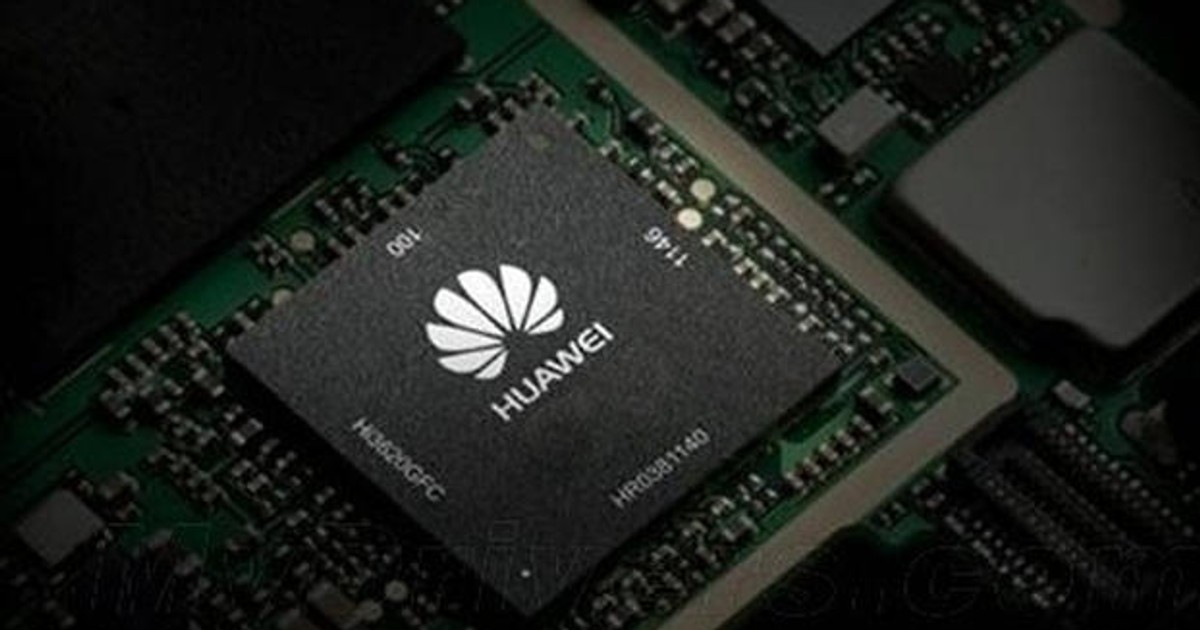

Malaysia Denies Government Role in AI Project Involving Huawei Ascend Chips

Malaysia’s Ministry of Investment, Trade and Industry (MITI) has officially clarified that the government is not involved in a reported artificial intelligence project using Huawei’s Ascend chips, distancing itself from earlier reports suggesting official backing.

The clarification follows local media coverage on Monday that claimed Malaysian firm Skyvast Corporation would deploy Huawei’s Ascend AI chips in a domestic initiative. In response, MITI stated the project “was not developed, endorsed, or coordinated by the Government of Malaysia, nor does it form part of any Government-to-Government agreement or nationally mandated technology programme.”

Huawei, for its part, told Reuters that it has not sold any Ascend chips in Malaysia, and that the Malaysian government has made no such purchases. The Chinese tech giant developed the Ascend line after being cut off from U.S. suppliers, positioning the chips as domestic alternatives amid Washington’s escalating export restrictions on advanced semiconductors, particularly from Nvidia.

The Malaysian ministry also reaffirmed its commitment to complying with international export control laws, national security regulations, and guidance from global regulatory bodies. The statement appears aimed at avoiding diplomatic friction amid growing U.S. scrutiny over AI-related tech flows involving China.

Skyvast Corporation has not responded to requests for comment.

The backtracking highlights the sensitivity of semiconductor and AI technology partnerships in the current geopolitical climate, especially as countries weigh alignment with U.S.-led technology sanctions while maintaining ties with Chinese tech firms.

U.S. Lawmakers Introduce Bipartisan Bill to Prevent AI Chip Smuggling to China

A bipartisan group of eight U.S. lawmakers has introduced the Chip Security Act, a bill that would require AI chipmakers like Nvidia to implement location verification technology in their hardware to help prevent export-controlled chips from being smuggled into China or reaching other restricted regions.

The legislation, introduced Thursday in the U.S. House of Representatives, is a response to growing evidence that U.S.-origin AI chips are still reaching China, despite existing export controls enacted under both the Biden and Trump administrations.

What the Bill Proposes:

  • Mandates AI chip manufacturers to embed technology that can verify the geographic location of each chip before or during operation.

  • Aims to close loopholes in enforcement of U.S. export restrictions on advanced AI chips.

  • Targets unauthorized resales or re-routing of chips through third-party countries.

Sponsors and Political Support:

  • Rep. Bill Huizenga (R-MI), lead sponsor, said the measure is key to protecting U.S. technological advantage and keeping chips away from “nefarious actors.”

  • Rep. Bill Foster (D-IL), a physicist and chip designer turned legislator, co-led the bill, noting that the U.S. has technical tools to prevent powerful AI technology from getting into the wrong hands.”

  • Other co-leads and sponsors include:

    • Rep. John Moolenaar (R-MI), Chair of the House Select Committee on China

    • Rep. Raja Krishnamoorthi (D-IL), Ranking Member

    • Rep. Ted Lieu (D-CA)

    • Rep. Rick Crawford (R-AR), Chair of the House Intelligence Committee

    • Rep. Josh Gottheimer (D-NJ)

    • Rep. Darin LaHood (R-IL)

A similar version of the bill was introduced last week in the Senate by Sen. Tom Cotton (R-AR).

Policy Context:

The proposal follows President Donald Trump’s decision to rescind a Biden-era rule designed to regulate global flows of advanced AI chips. Though the Trump administration has not issued a replacement framework, it has actively promoted AI chip deals in the Middle East, raising concerns among national security officials about oversight and end-use compliance.

The legislation is expected to rekindle debate in Washington over how best to enforce export restrictions in an era when hardware is easily resold or re-exported through global gray markets.

If passed, the Chip Security Act would represent one of the first legislative attempts to embed compliance into hardware design, rather than relying solely on export documentation and customs enforcement.