Yazılar

Trump to Join AI and Energy Summit in Pittsburgh with Tech and Energy Leaders

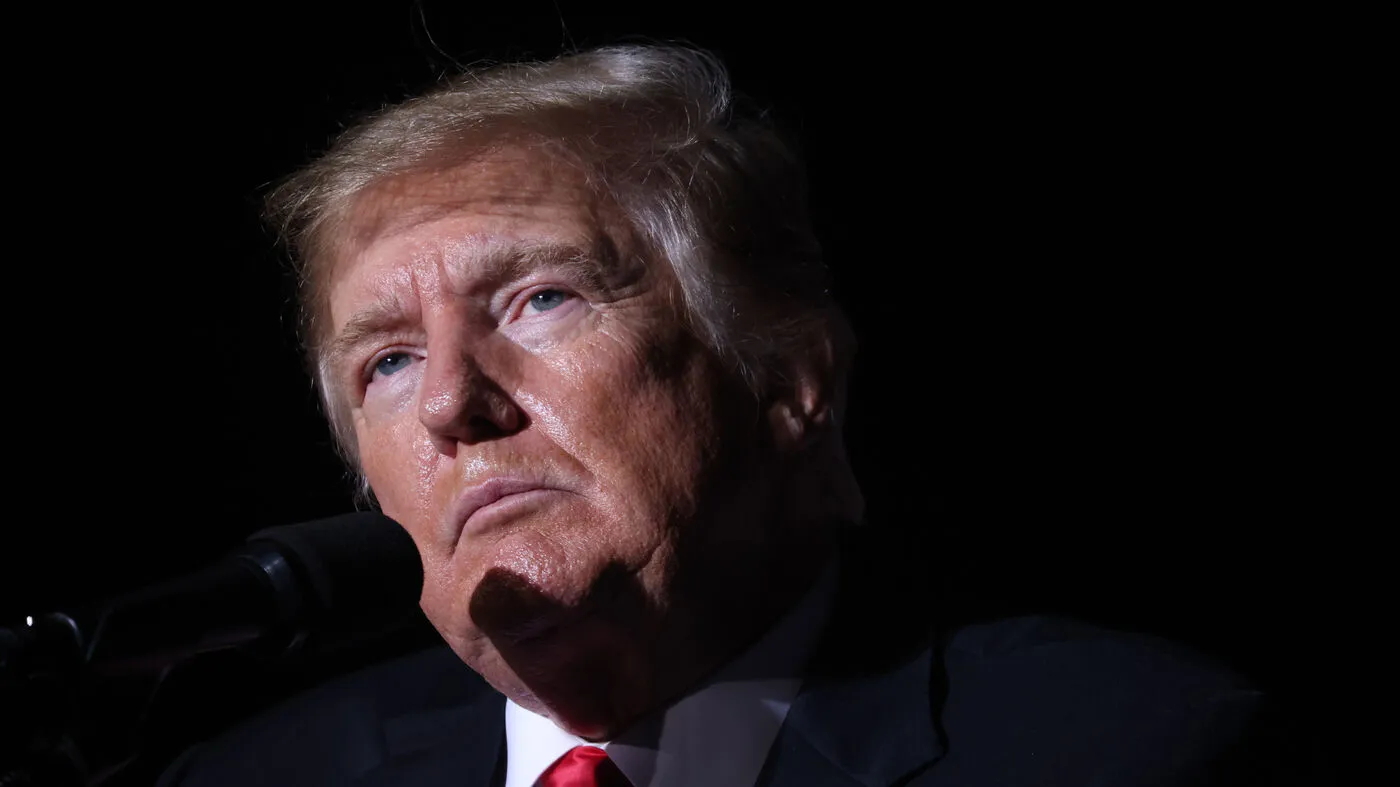
U.S. President Donald Trump will attend an artificial intelligence and energy summit in Pittsburgh, Pennsylvania, on July 15, according to an announcement from the office of Pennsylvania U.S. Senator Dave McCormick. The inaugural Pennsylvania Energy and Innovation Summit will take place at Carnegie Mellon University.

The event is expected to gather top executives from both the tech and energy industries. Axios reported that the guest list includes high-profile tech leaders such as OpenAI CEO Sam Altman, Meta Platforms CEO Mark Zuckerberg, Microsoft CEO Satya Nadella, and Alphabet CEO Sundar Pichai. Leading figures from the energy sector such as Exxon Mobil CEO Darren Woods, Shell CEO Wael Sawan, and Chevron CEO Mike Wirth are also expected to attend.

White House AI czar David Sacks is scheduled to participate as well. Earlier this week, Sacks voiced concerns that excessive regulation of artificial intelligence in the U.S. could hinder industry growth and give China a competitive advantage in the global AI market. His comments suggest that the Trump administration may adopt a more expansionist policy for U.S. AI companies, focusing on boosting international markets for American AI chips and models.

This approach contrasts with that of Democratic former President Joe Biden, who emphasized strict controls to prevent U.S. AI chips from being used to strengthen China’s military capabilities.

Meanwhile, a bipartisan group of 40 state attorneys general, including Republicans from Ohio, Tennessee, Arkansas, Utah, and Virginia, have pushed back against federal efforts to limit state-level AI regulations. They argue that states should retain the authority to develop and enforce consumer protection rules for AI technologies.

The Pittsburgh summit signals the increasing intersection of AI policy, energy strategy, and international trade considerations in U.S. political and economic debates as AI continues to reshape multiple sectors.
Salesforce Restricts AI Competitors’ Access to Slack Data, The Information Reports

Salesforce has tightened control over Slack data access by blocking rival AI software firms from searching or storing Slack messages, according to a report by The Information on Tuesday. This change follows updates Salesforce made to its terms of service, detailed in a public statement issued on May 29.

A Salesforce spokesperson emphasized the company’s commitment to responsible AI and data management, noting the firm’s efforts to implement thoughtful and transparent safeguards around how data accessed through Slack’s APIs can be stored, used, and shared.

The updated policy restricts third-party apps like Glean from long-term indexing, copying, or storing Slack data obtained via the Slack API. Glean notified its customers that this will limit their ability to integrate Slack data into their AI-powered search and knowledge platforms, potentially reducing users’ flexibility in leveraging their enterprise data.

The move reflects growing scrutiny around how AI companies handle personal and customer data used to train AI models, as businesses aim to balance innovation with privacy and security concerns.

Salesforce, Glean, and other affected parties did not immediately respond to requests for further comment.

Trump AI Czar Downplays Risk of AI Chip Smuggling, Warns Against Overregulation

David Sacks, the White House AI czar under former President Donald Trump, on Tuesday minimized concerns about American AI chips being smuggled to adversaries, emphasizing the physical size and security of such equipment. Speaking at the AWS summit in Washington, Sacks explained that AI chips are housed in massive server racks weighing two tons, making clandestine smuggling highly unlikely.

Sacks expressed worries that stringent U.S. AI regulations could hinder innovation and growth, potentially ceding the global AI market to China. “We talk about these chips like they could be smuggled in the back of a briefcase. That’s not what they look like,” he said. He criticized efforts by state legislatures to regulate AI and permitting obstacles for data center construction.

Contrasting with President Joe Biden’s policies, which focused on curbing chip exports to China and addressing risks of AI misuse, the Trump administration revoked several Biden-era executive orders aimed at controlling AI diffusion and competition. Sacks argued that the Biden restrictions risk pushing countries like the United Arab Emirates closer to China, citing a recent U.S.-UAE plan to build a major AI campus abroad.

“We rescinded that Biden diffusion rule, which…made diffusion a bad word. Diffusion of our technology should be a good word,” Sacks said.

He warned that if AI chips made by Chinese giant Huawei become widespread globally within five years, it would signify a strategic loss for the U.S. Highlighting the rapid pace of Chinese AI development, Sacks stated, “China is not years and years behind us in AI. Maybe they’re three to six months.” The White House later clarified that Chinese AI chips lag one to two years behind U.S. technology, while their AI models are closer in capability.