
Yazılar

Lonestar Data Holdings Plans to Place First Data Center on the Moon

Lonestar Data Holdings, a space startup, is preparing to launch the first-ever data center on the moon, aiming to harness lunar resources for space-based computational needs. The company has announced that its fully assembled data center, named Freedom, will be launched by SpaceX’s Falcon 9 rocket, integrated with Intuitive Machines’ moon lander, Athena, in late February.

Key Points:

  • Moonshot Mission: Lonestar’s ambitious plan is to place a data center on the lunar surface, leveraging the moon’s distance from Earth for enhanced communication security. This initiative is focused on disaster recovery and data storage, rather than latency-dependent tasks like real-time computing.
  • Sustainable Energy Model: The data center will be powered by solar energy and feature naturally cooled solid-state drives. The company aims to take advantage of the moon’s abundant solar energy and a cost-effective cooling system, making the operation both efficient and sustainable.
  • Strategic Partnerships: Lonestar has already signed up a diverse set of customers, including the State of Florida, Isle of Man government, AI firm Valkyrie, and even pop rock band Imagine Dragons. These partnerships underline the growing interest in space-based data storage solutions.
  • Ground Support: To ensure operational reliability, Lonestar’s moon-based data center will be backed up by Flexential’s data center facility in Tampa, Florida. This hybrid approach aims to balance the challenges of space operations with the security of terrestrial backups.
  • Challenges and Risks: Despite the potential, hosting data centers in space comes with challenges such as high launch costs, limited maintenance options, and the risk of rocket launch failures. Once a satellite or data center is deployed, it becomes a high-risk venture with no room for recovery in case of malfunction.
  • Industry Growth: The idea of space-based data centers is gaining momentum as the demand for computational power, especially for AI, increases. Lonestar has raised nearly $10 million, joining other space startups like Lumen Orbit, which recently secured $11 million for similar ventures.

Samsung’s Q4 Earnings Likely Affected by Nvidia AI Chip Supply Delay

Samsung Electronics, the global leader in memory chip manufacturing, is expected to report a slowdown in profit growth for the fourth quarter, with challenges in meeting the soaring demand for Nvidia’s AI chips. As the world’s largest producer of memory chips, Samsung plays a crucial role in supplying the semiconductor industry. However, supply chain constraints and increasing competition for the AI chip market have hindered the company’s ability to capitalize on Nvidia’s explosive growth, leading to more conservative earnings forecasts. Analysts are now predicting that Samsung’s operating profit growth in Q4 will continue to decelerate, impacting the company’s overall financial performance.

Samsung is anticipated to estimate its operating profit for the quarter ending December at 8.2 trillion won (approximately $5.6 billion or Rs. 47,984 crore), showing a year-on-year increase from the previous year’s profit of 2.8 trillion won (roughly Rs. 16,547 crore). However, this figure still represents a significant decline from the 9.18 trillion won (roughly Rs. 54,238 crore) recorded in the third quarter of the same year. This drop reflects the company’s ongoing struggles in the memory chip sector, which has been under pressure due to global chip shortages, as well as shifting market dynamics driven by new technological trends.

The delay in Nvidia’s AI chip supply chain has had a cascading effect on Samsung, as the demand for advanced chips in the AI and data center sectors has surged. With Nvidia facing production challenges, Samsung’s memory chip sales have not been able to meet the heightened demand expected from key players like Nvidia, further impacting its revenue from this vital segment. As a result, many analysts have adjusted their forecasts for Samsung, with some now predicting that the company’s operating profit could fall below the 8 trillion won mark (approximately Rs. 47,267 crore).

Despite these challenges, Samsung continues to dominate other key markets such as smartphones and televisions. However, its reliance on semiconductor manufacturing, particularly memory chips, remains a critical pillar of its business. As the company faces short-term headwinds, it will be crucial to monitor how Samsung adapts to these challenges, particularly as the demand for AI chips and other cutting-edge technologies continues to grow. While the fourth-quarter earnings are expected to show a slowdown, Samsung’s long-term prospects will largely depend on its ability to overcome these supply constraints and regain its footing in the competitive semiconductor market.

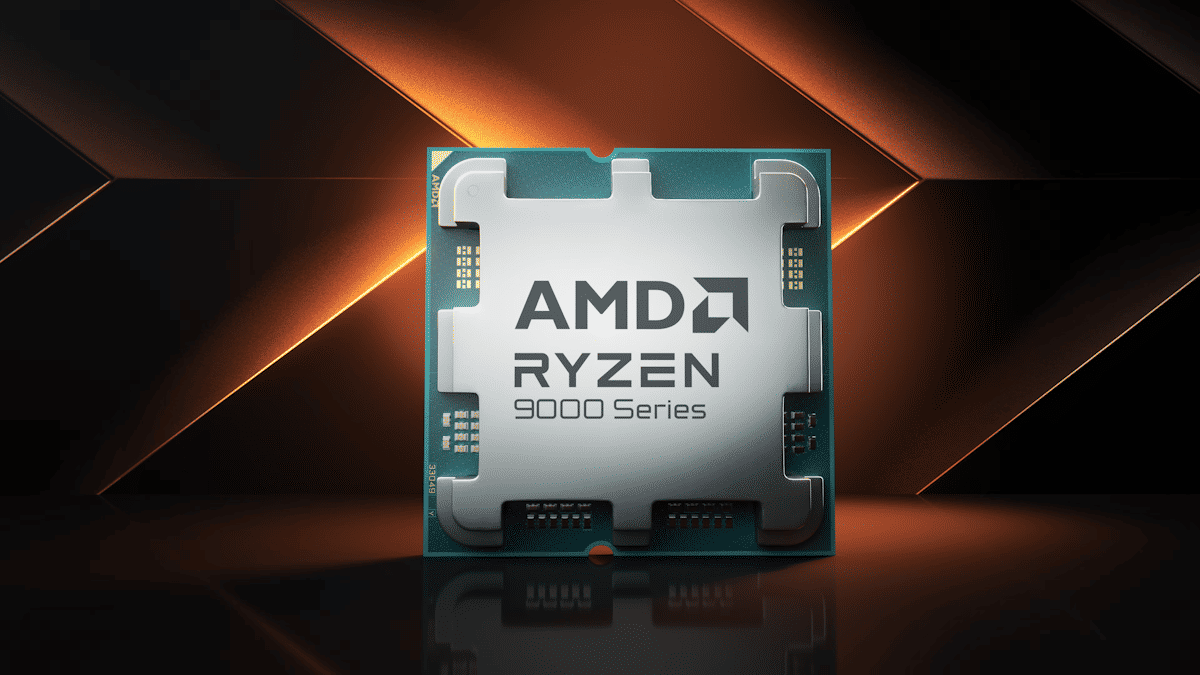
AMD Unveils Ryzen 9950X3D, 9900X3D, Ryzen Z2, Ryzen 9000 Mobile, and Ryzen AI Series CPUs at CES 2025

At CES 2025, Advanced Micro Devices (AMD) unveiled an impressive lineup of new Ryzen-branded processors designed to cater to gaming enthusiasts, content creators, and the growing demand for powerful AI-driven PCs. Among the most notable announcements were the Ryzen 9900X3D and 9950X3D series desktop processors, which target gamers and content creators looking for peak performance. These high-performance CPUs are designed to offer cutting-edge gaming experiences, both for desktop and mobile platforms, and come with significant advancements to push the boundaries of gaming hardware. In addition to the Ryzen X3D series, AMD introduced the Ryzen Z2 lineup, which is focused on enhancing mobile and handheld gaming.

The Ryzen 9900X3D and 9950X3D desktop processors stand out due to their innovative design and architecture. The 9950X3D, in particular, features a 16-core design, making it an ideal choice for power users and professionals who demand high levels of multitasking and computational performance. This processor is built with AMD’s second-generation 3D V-Cache technology, which significantly enhances performance by positioning the cache memory beneath the core complex die (CCD). AMD claims that this configuration allows the 9950X3D to achieve higher clock speeds and deliver better thermal efficiency, making it a powerful choice for content creation, gaming, and intensive applications.

Alongside its gaming processors, AMD also introduced a range of new products aimed at revolutionizing the AI PC market. The Ryzen AI Max, Ryzen AI 300, and Ryzen 200 series processors are designed to bring powerful AI computing capabilities to thin and light notebooks. These processors are expected to improve the performance of AI-driven tasks, such as machine learning, natural language processing, and other advanced computational applications, all while maintaining energy efficiency. AMD’s focus on AI is a clear signal of the company’s commitment to expanding its footprint in the rapidly growing AI and machine learning space.

With this latest expansion of its processor lineup, AMD is positioning itself as a leader in both the gaming and AI markets. The new Ryzen processors offer unprecedented levels of power and versatility, whether you’re building a high-end gaming rig, looking to upgrade your mobile gaming experience, or developing AI-powered applications. The introduction of these new products at CES 2025 highlights AMD’s continued innovation and its ability to address the diverse needs of modern computing, from gaming to professional content creation to artificial intelligence.