
Yazılar

Instagram Developing AI Tool to Create Custom Profile Pictures

Instagram is reportedly working on a new feature that leverages artificial intelligence (AI) to allow users to generate customized profile pictures. This feature, currently being tested, would enable users to create unique and stylized avatars or images based on AI models, offering a fresh alternative to traditional profile photos. Although specific details about the feature remain scarce, it could significantly enhance how users present themselves on the platform by providing an automated, creative way to update their profiles.

The leak, discovered by developer Alessandro Paluzzi, revealed a new option in the app’s settings that invites users to “Create an AI profile picture” when updating their profile. Paluzzi shared a screenshot of the menu, sparking excitement about the potential of AI to personalize digital identities. The feature is still in development, with further testing likely to refine the technology before it becomes available to the wider user base.

In addition to Instagram, similar AI-driven tools are said to be in the works for Facebook and WhatsApp, both of which are also owned by Meta. This suggests that Meta may be planning to roll out AI-powered profile picture generation across its suite of platforms, offering users more opportunities to express themselves in creative ways. The integration of AI into the social media experience is becoming more prevalent, and Instagram is clearly taking steps to stay competitive in the space.

While Instagram’s focus on AI profile picture generation is generating buzz, it comes at a time when other changes are happening within the app. For instance, Instagram’s Head, Adam Mosseri, recently confirmed that the platform had abandoned the feature that automatically refreshed users’ feeds after a period of inactivity. This move reflects Instagram’s ongoing adjustments to its user experience, balancing new features with changes aimed at improving overall engagement and satisfaction. The AI profile picture generator could be a major addition to the platform, aligning with Instagram’s broader push to innovate and keep users engaged.

X Reportedly Testing Free Grok AI Version With Updated Logo

X (formerly known as Twitter) is reportedly experimenting with a free version of its artificial intelligence chatbot, Grok. Over the weekend, several users claimed to have gained access to Grok without subscribing to the platform’s paid X Premium tier. However, as per user feedback, the free version has certain limitations, and its availability appears to be restricted to specific regions. This trial comes shortly after xAI, the Elon Musk-led AI initiative, launched the Grok API and announced incentives for developers to integrate it.

Reports suggest that this move marks an effort to expand Grok’s reach and potentially attract a wider audience. Initially launched in November 2023, Grok was previously available only to paid subscribers. According to posts by app researchers and tech enthusiasts on X, the free tier could allow a broader range of users to experience the chatbot’s capabilities, albeit with reduced functionality compared to the premium version.

A report by TechCrunch indicated that the free Grok trial is currently being tested in New Zealand, with the possibility of extending to other regions. However, availability remains uneven; for instance, users in India and other countries have noted the absence of the feature. At this stage, the specifics of what the free version offers, and how it differs from the premium experience, remain unclear. Additionally, Gadgets 360 could not independently confirm the free version’s rollout.

In addition to testing a free tier, X is also updating Grok’s branding. The chatbot’s original wordmark logo is reportedly being replaced with a socket-like emblem, signaling a fresh visual identity for the AI tool. Whether these changes are part of a larger strategy to boost Grok’s adoption or improve its appeal to developers and end users remains to be seen.
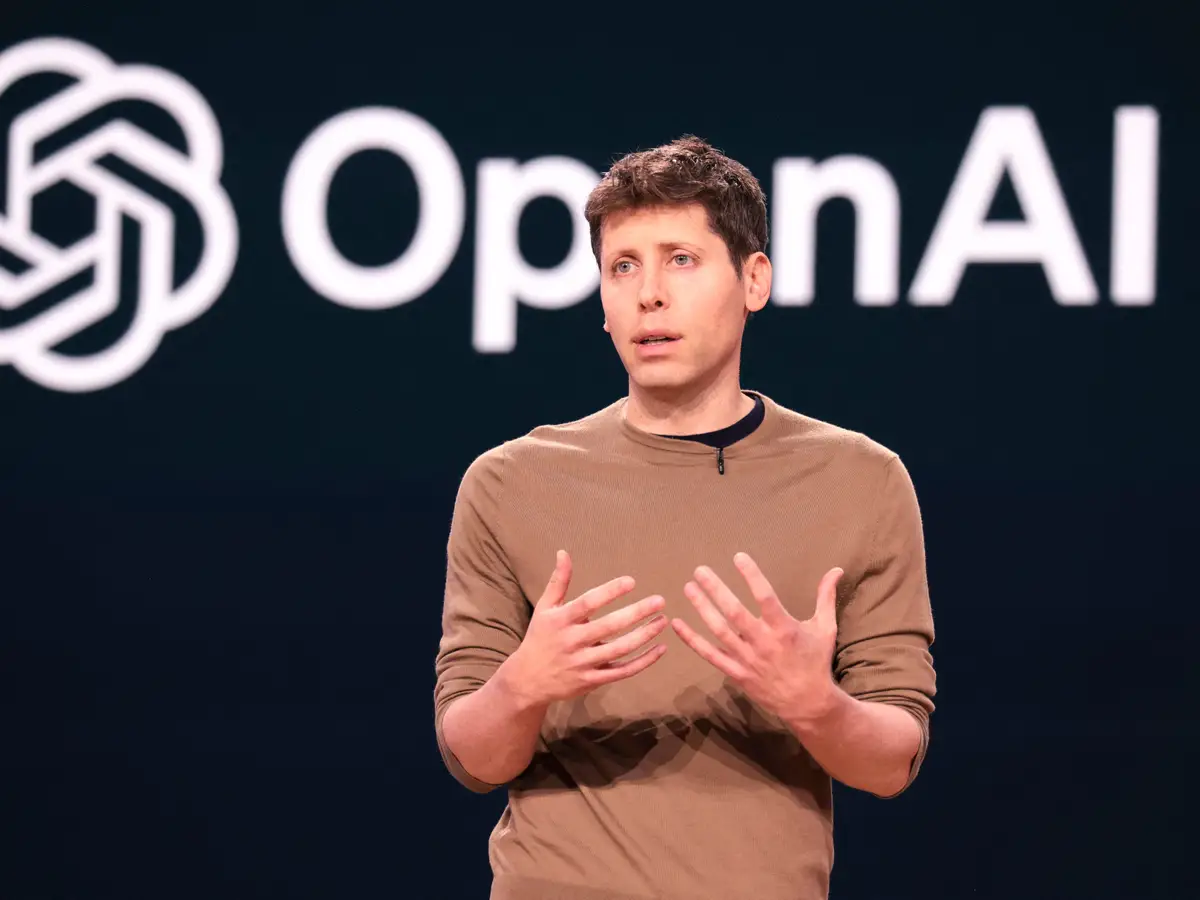
OpenAI’s Upcoming Flagship AI Model Faces Challenges in Surpassing Older Models on Some Tasks, Report Says

OpenAI is reportedly encountering challenges with the development of its next-generation flagship AI model, codenamed Orion. Despite expectations, the new model has shown mixed results in its performance, especially when compared to older models like GPT-4. According to a recent report, while Orion is said to outperform previous models in language-based tasks, it has struggled to show significant improvements in other areas, such as coding. This discrepancy in performance across different types of tasks has raised concerns within the company about whether the model can meet the ambitious goals set for it.

The Information, citing anonymous sources within OpenAI, highlights that Orion has demonstrated notable advancements in tasks involving natural language processing, but its performance in coding-related tasks has not lived up to expectations. This has been a source of frustration for the team, as coding is a key use case for many businesses and developers relying on OpenAI’s models for automation and programming assistance. The inability to substantially outperform older models in this area is seen as a critical issue for Orion’s potential adoption.

Compounding the issue, Orion’s higher operational costs are another factor that could hinder its success. The model is reportedly more expensive to run in OpenAI’s data centers compared to GPT-4 and GPT-4o. This increased cost, combined with its underperformance in certain tasks, raises concerns about the cost-to-performance ratio of Orion. If the model cannot deliver a clear advantage in multiple areas, it may struggle to attract enterprise clients and subscribers, who are looking for value and efficiency in AI solutions.

In addition to performance concerns, OpenAI is also reportedly facing difficulties in gathering enough training data to effectively train Orion. Data scarcity is a well-known challenge for AI development, and without sufficient high-quality data, even the most advanced models can fall short of expectations. These ongoing struggles suggest that OpenAI’s efforts to push the boundaries of AI with Orion might face significant delays or require further refinements before it can rival or surpass its predecessors.