Yazılar

TSMC to Halt Advanced AI Chip Production for China

Taiwan Semiconductor Manufacturing Co. (TSMC), the world’s largest contract chipmaker, has reportedly informed Chinese chip design companies that it will suspend the production of their most advanced artificial intelligence (AI) chips starting Monday, November 11. According to a report by the Financial Times, TSMC has made this decision in response to increased regulatory pressure from the U.S. The move is said to affect the manufacturing of AI chips based on process nodes of 7 nanometers or smaller, which are critical for cutting-edge AI applications.

The suspension of these high-performance chips, which are used for AI training and other sophisticated tasks, comes amid escalating tensions between the U.S. and China over technology and security concerns. TSMC’s decision will impact Chinese companies that rely on the company’s advanced manufacturing capabilities to produce some of the world’s most powerful AI processors. These chips are central to the development of AI models that can power everything from autonomous vehicles to high-performance computing tasks.

The U.S. government has long expressed concerns over China’s growing capabilities in artificial intelligence, particularly its potential use in military applications or to advance bioweapon research and cyber warfare. In light of these concerns, Washington has imposed a series of measures aimed at restricting the flow of advanced semiconductor technologies to China. This includes regulations designed to limit the shipment of advanced graphics processing units (GPUs) and other AI chips that are crucial for training large-scale AI systems. The measures are seen as part of a broader strategy to curb China’s technological rise and maintain U.S. dominance in key fields.

TSMC’s suspension of advanced AI chip production for Chinese clients marks a significant development in the ongoing global tech rivalry. It underscores the growing influence of U.S. policies on global semiconductor supply chains, particularly as companies like TSMC, which is headquartered in Taiwan, find themselves navigating complex geopolitical pressures. The decision also raises questions about the future of China’s AI ambitions, as it now faces increased difficulty in securing the critical hardware needed to advance its AI capabilities.

Microsoft Outlook Introduces AI-Driven Personalized Dynamic Themes

Microsoft Outlook Introduces AI-Driven Dynamic Themes for Personalization
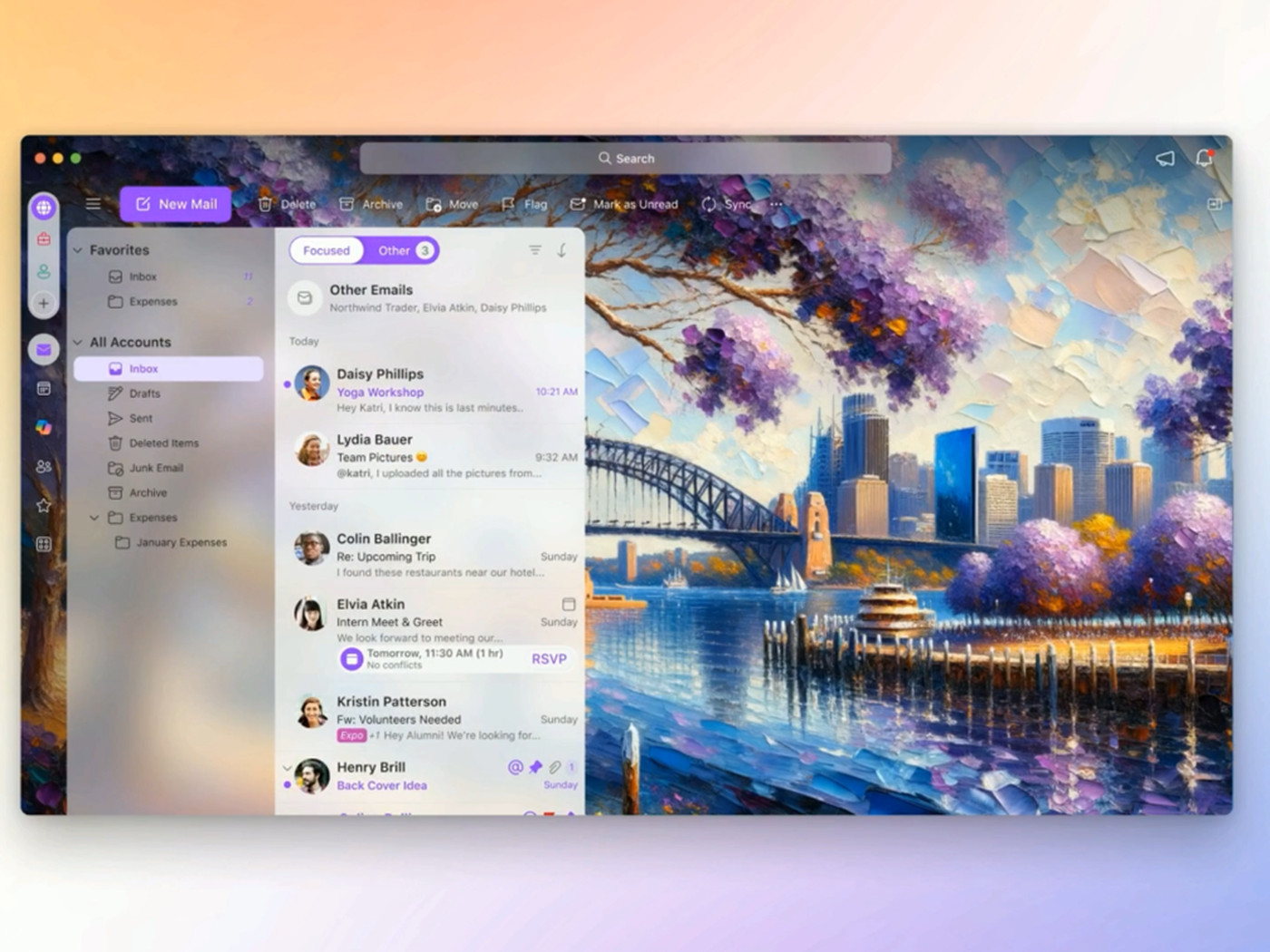
Microsoft Outlook has introduced a new feature called “Themes by Copilot,” which leverages artificial intelligence (AI) to provide users with dynamically updating themes. Announced on Thursday, the feature allows users to create personalized themes that change automatically based on real-world conditions such as weather or location. The rollout is currently available for individual accounts subscribed to Copilot Pro and business accounts with the Copilot add-on. In addition, Microsoft is launching static themes for all users who do not have access to Copilot.

Enhanced Customization Through AI
The introduction of Themes by Copilot marks a significant step in Outlook’s evolution toward a more interactive and personalized email experience. This feature builds on Microsoft’s September 2023 redesign of Outlook and represents the first integration of dynamic themes into the platform. Users can engage the AI chatbot to create unique themes tailored to their preferences, making the email client more visually engaging and aligned with individual styles.

Dynamic Themes Inspired by Real-World Conditions
The dynamic themes generated by Copilot are designed to reflect various real-world elements, including weather and geographic locations. Users can choose from 100 pre-set global locations or specify a custom location. Based on the selected input, the AI generates a theme inspired by the locale, offering a visually rich and ever-changing experience. For example, users might see sunny hues for clear weather or moody tones for a rainy day, providing a connection between their digital workspace and the world outside.

Expanding Accessibility and User Experience
For users without access to Copilot, Microsoft is also rolling out a selection of static themes to enhance the visual customization of Outlook. This move ensures that personalization options are available to all users, regardless of subscription tier. The introduction of dynamic and static themes reflects Microsoft’s broader commitment to integrating AI tools into its ecosystem, enhancing both functionality and user engagement. These updates signal a continued focus on innovation within the productivity software space.

Google Unveils AI-Powered Video Creation Tool for Select Workspace Users

Google has officially begun rolling out Google Vids, its new AI-powered video creation tool, to select Google Workspace users. Announced on Thursday, Google Vids is designed to assist users throughout various stages of video production, from scriptwriting to adding multimedia elements. However, unlike AI video generation tools such as Runway or Pika, which can create videos from text prompts, Google Vids focuses on helping users refine their existing content by automating certain tasks, such as integrating stock images, videos, background music, and AI-generated voiceovers. Users can also record their own audio or video to add personal touches to the final production.

The new tool offers a range of features aimed at simplifying the video creation process. One of its key features is script writing assistance, allowing users to generate drafts or improve their existing scripts, making it easier for those without a background in writing to produce engaging content. Additionally, Google Vids facilitates the integration of multimedia assets, including high-quality stock images and videos, which can be seamlessly embedded into the project. For those looking to add a professional touch, the tool also includes options for background music and voiceovers, with AI-generated voices that can be customized to suit the tone of the video.

In terms of accessibility, Google Vids is initially available to a select group of Google Workspace users. These include accounts on the Business Standard and Plus, Enterprise Standard and Plus, Essentials, Enterprise Essentials, and Enterprise Essentials Plus tiers. Educational institutions and users with Education Plus accounts will also gain access to the tool. Additionally, users who have subscribed to Gemini Business, Enterprise, Education, or Education Premium add-ons will be able to take advantage of this new feature.

By offering these tools within Google Workspace, the company aims to streamline content creation for businesses, educators, and other professionals, allowing them to produce high-quality videos with less effort and more flexibility. As Google Vids becomes more widely available, it could prove to be a game-changer for those who rely on video content for communication, marketing, and education. The rollout is expected to continue, with more users gaining access in the coming months.