
Yazılar

AI Image Generator ‘Red Panda’ Surges to the Top of Benchmark Leaderboards

A mysterious artificial intelligence model named “Red Panda” has recently emerged at the top of the leaderboard on a popular benchmarking platform, but little is known about it. The Red Panda AI has outperformed several well-established image generation models, including heavyweights like Replicate, Midjourney, and Stability.ai, raising intrigue within the AI community. The model’s appearance at the top of the Artificial Analysis benchmark’s text-to-image generation leaderboard has puzzled many, especially given the lack of any substantial information or public recognition regarding the model’s creators or origins.

The first mention of Red Panda appeared in a post on X (formerly Twitter), where users noted that the mysterious AI had taken the first spot in the text-to-image leaderboard, surpassing other known models. Despite its prominence in the rankings, no details have emerged about its development, contributing to its enigmatic status. The lack of transparency around its creation and capabilities has only fueled speculation and curiosity among industry experts and enthusiasts.

Artificial Analysis, the platform hosting the benchmark, uses an Elo-based ranking system, a method also employed to rate chess players based on their skill level. The process is crowdsourced, allowing users to weigh in on which AI-generated images best match a given prompt. The platform randomly selects two models and presents users with the images they create in response to the same prompt. Users then vote on which image better captures the essence of the prompt, contributing to the model’s ranking.

This crowdsourced approach to ranking adds an extra layer of intrigue to Red Panda’s rise to the top, as it suggests that users have collectively favored the AI’s output over those of established competitors. However, the mystery surrounding Red Panda’s identity and capabilities remains unsolved, leaving the AI community eager to uncover more about this unknown contender. Could Red Panda represent a breakthrough in image generation technology, or is it the result of a cleverly hidden project? Only time will tell.
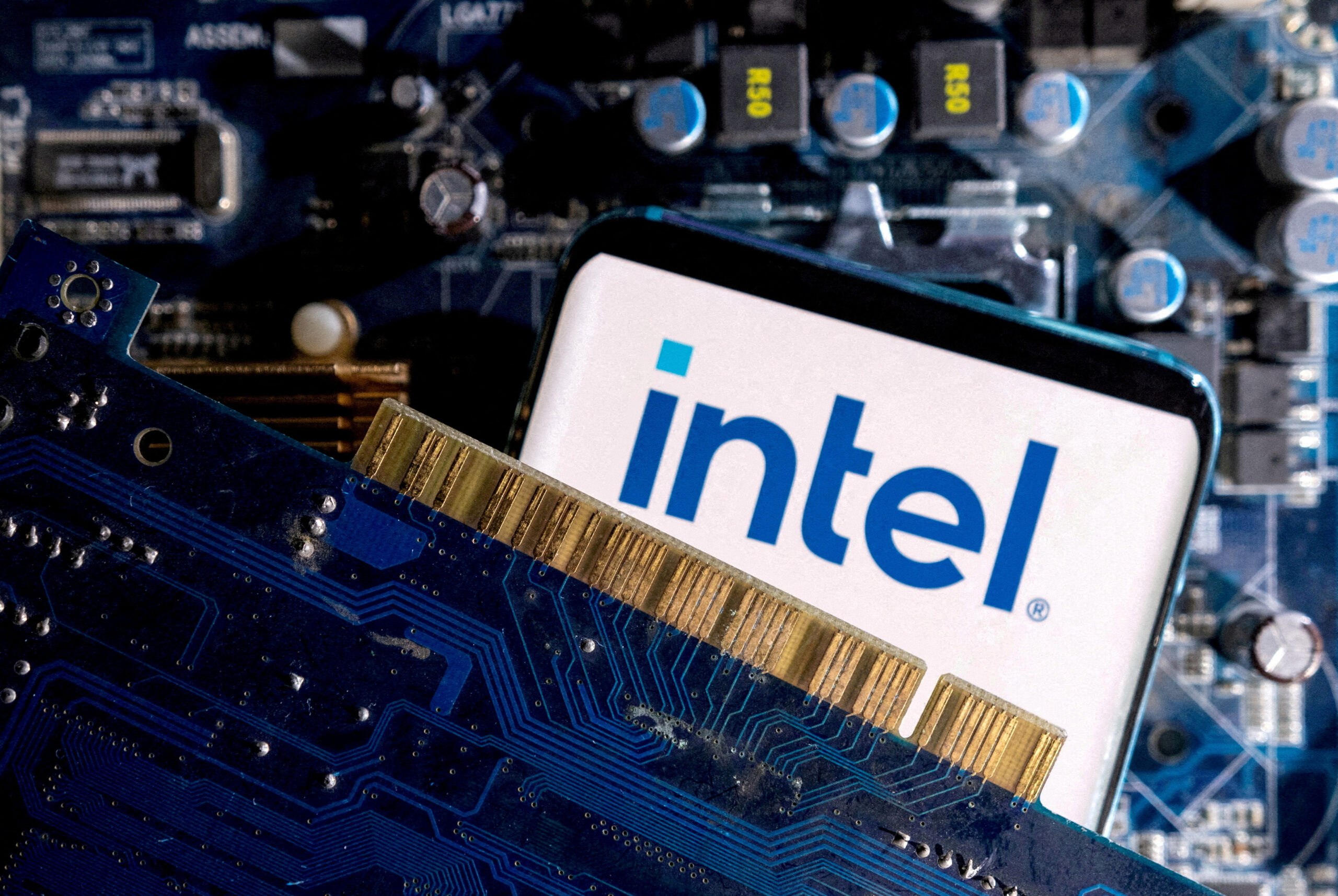

Intel Faces Significant Revenue Decline as Chipmaker Struggles to Recover

Intel is poised to report its most significant quarterly revenue decline in over a year, with projections indicating an 8% drop, which would bring its earnings to approximately $13.02 billion. This downturn highlights ongoing struggles within the company, particularly in its data center and personal computer sectors, where market share continues to slip. After years of dominance in the semiconductor industry, Intel’s inability to adapt to changing market conditions and technological trends is now casting a shadow over its future prospects.

A key area of concern for shareholders is the performance of Intel’s contract manufacturing business, which has been underperforming, further straining the company’s financial health. In addition, Intel has failed to capitalize on the explosive growth of generative AI, a sector where competitors have thrived by providing specialized chips for machine learning and other AI-driven applications. Intel’s missed opportunity to invest in OpenAI, one of the leading players in the AI revolution, has only added to investor concerns about the company’s strategic direction.

CEO Pat Gelsinger, who took the helm at Intel with a promise to restore the company’s market leadership, now faces heightened pressure as losses continue to mount. Shareholders are increasingly focused on his plans to address Intel’s ongoing struggles, particularly with respect to its next-generation manufacturing technology. Gelsinger’s ability to turn things around hinges on Intel’s capacity to innovate and roll out new chips that can compete with the likes of AMD and Nvidia, who have both gained ground in the data center and AI markets.

As Intel looks to regain its footing, investors are keen for any sign that the company can reverse its fortunes. Gelsinger’s upcoming earnings call will likely serve as a critical moment for Intel, with many looking for clearer insights into the company’s roadmap for recovery, its investments in emerging technologies, and how it plans to address the competitive challenges it faces.

OpenAI’s Transcription Tool Allegedly Inserting Inaccurate Content in Medical Consultation Transcripts

Concerns Raised Over OpenAI’s Whisper Transcription Tool Inserting Hallucinated Content in Medical Records

OpenAI’s transcription tool, Whisper, released in 2022, has been praised for its ability to transcribe speech to text. However, recent reports have raised alarm over the tool’s propensity for generating hallucinated content—false or imaginary text that was never actually spoken. This issue is particularly concerning when it comes to high-risk industries like healthcare, where accuracy is critical. The potential for Whisper to inject hallucinated or misleading information into medical consultation records could pose serious risks to patient safety, especially in sensitive contexts like doctor-patient discussions.

According to a report by the Associated Press, Whisper’s automatic speech recognition (ASR) system has been found to generate hallucinated text, sometimes inserting fabricated details about medical treatments, medications, or even racial descriptions and violent incidents. This type of content, while it may seem minor in other settings, could have dangerous consequences in medical records. Errors in such critical documents may lead to misdiagnoses, incorrect treatments, or even potential harm to patients if healthcare professionals rely on these flawed transcripts.

Hallucination, a term used in the AI community to describe instances when an AI system generates false or misleading information, has become a major challenge for AI tools like Whisper. In the case of this transcription software, the hallucinated text does not stem from any verbal input, but is instead fabricated by the AI, raising questions about the reliability of its transcriptions, particularly when used in professional settings like healthcare. The risk is amplified when these tools are integrated into real-world applications where precision is not just desired but required for safety.

The growing use of Whisper in medical contexts, where transcription accuracy is paramount, underscores the need for more rigorous quality control and transparency in AI tools. Healthcare providers who adopt such technologies must remain vigilant, ensuring that they have safeguards in place to detect and correct any errors introduced by the AI. As OpenAI works to refine and improve Whisper, stakeholders in healthcare and other high-stakes sectors will need to carefully evaluate the potential risks and limitations of incorporating AI-driven transcription tools into their daily operations.