Yazılar

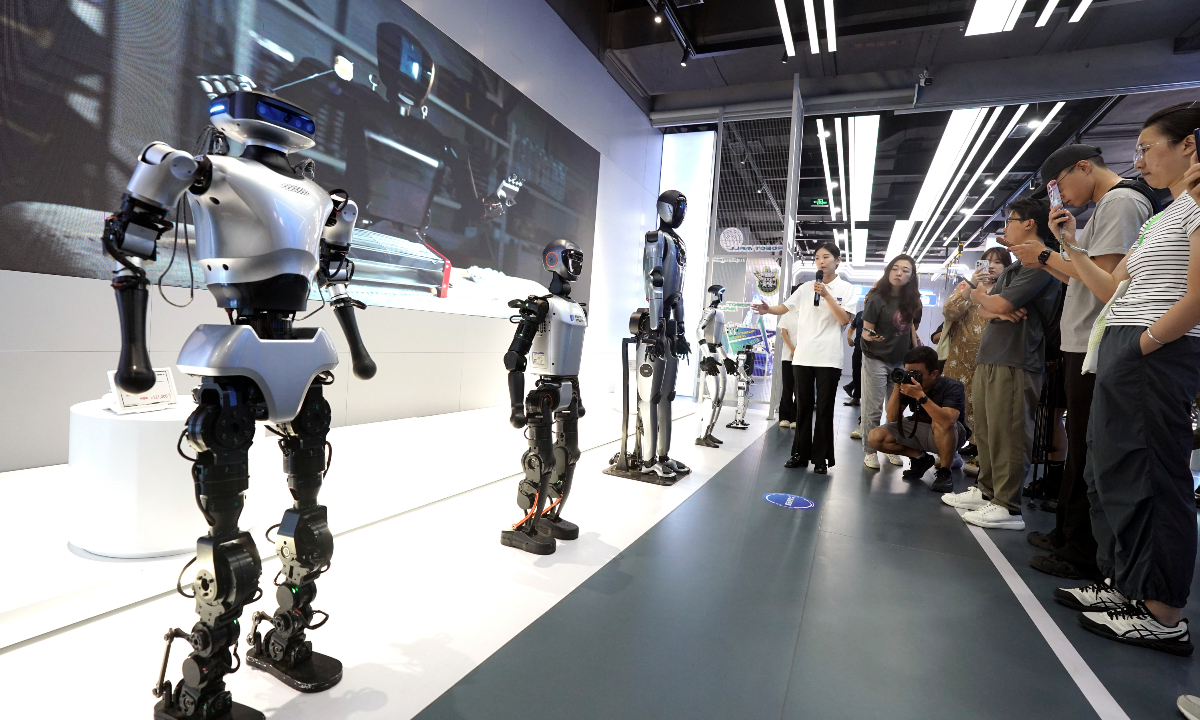
Beijing Robot Store Stocks Einstein Replicas, Chess Partners in AI Leadership Push

A new store opening in Beijing this Friday will showcase over 100 humanoid and consumer-oriented robots from more than 40 Chinese brands, including Ubtech Robotics and Unitree Robotics. Among the offerings are life-sized replicas of Albert Einstein designed to teach physics, robotic chess partners, and pet robots, highlighting China’s ambition to lead in artificial intelligence and robotics.

The store adopts a “4S” dealership model—providing sales, spare parts, maintenance, and survey services—catering to a growing consumer market with robot prices ranging from around 2,000 yuan ($278) to several million yuan. Wang Yifan, the store director, noted the importance of customized consumer solutions, stating that mass adoption of robots requires more than just manufacturers’ efforts.

China’s aggressive push into robotics aims to mitigate economic challenges such as its ageing population and slowing growth. The sector benefits from government support with subsidies exceeding $20 billion over the past year, alongside a planned one trillion yuan ($137 billion) fund to back AI and robotics startups.
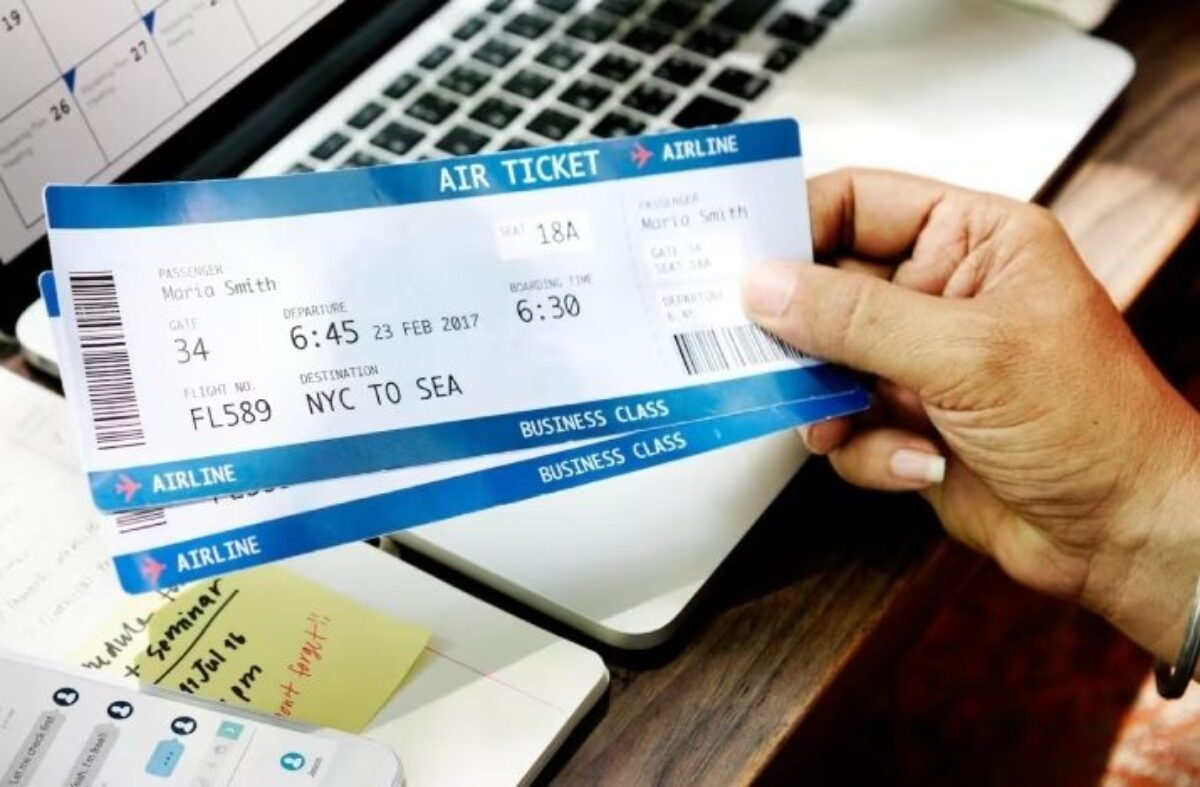

U.S. Transportation Department Raises Concerns Over AI Use in Personalized Airline Ticket Pricing

U.S. Transportation Secretary Sean Duffy expressed concerns on Tuesday regarding the use of artificial intelligence to set personalized airline ticket prices and announced plans to investigate any such practices. This follows recent claims that some airlines may be using AI to adjust fares based on individual consumer profiles.

Delta Air Lines (DAL.N) clarified last week before lawmakers that it has neither used nor plans to use AI to price tickets on an individual basis. “To try to individualize pricing on seats based on how much you make or don’t make or who you are, I can guarantee you that we will investigate if anyone does that,” Duffy said. “We would engage very strongly if any company tries to use AI to individually price their seating.” He added that he takes Delta’s assurances at face value.

Last month, Democratic Senators Ruben Gallego, Mark Warner, and Richard Blumenthal warned that AI-based pricing could lead to fare increases tailored to a consumer’s personal “pain point.” Delta plans to deploy AI-powered revenue management technology across 20% of its domestic network by the end of 2025, partnering with Fetcherr, a company specializing in AI pricing. Fetcherr lists several airlines, including Delta, Westjet, Virgin Atlantic, Viva, and Azul, as clients.

American Airlines (AAL.O) CEO Robert Isom also expressed concerns that AI-driven pricing could damage consumer trust. Democratic lawmakers Greg Casar and Rashida Tlaib have introduced legislation aimed at banning companies from using AI to set prices or wages based on personal data, including prohibiting airlines from raising prices after sensitive searches such as family obituaries.

Delta emphasized that dynamic pricing—where fares fluctuate based on factors like demand, fuel costs, and competition—has been standard for over 30 years but insisted it does not use personal consumer information to set prices.

Match Group Beats Q2 Revenue Estimates, Pushes AI to Attract Gen Z Users

Match Group (MTCH.O), the parent company of Tinder, reported second-quarter revenue of $864 million, surpassing Wall Street estimates of $853.6 million, driven by strong performance from Hinge and a renewed AI-focused strategy under CEO Spencer Rascoff. Shares rose about 10% in extended trading on Tuesday.

The company attributed the revenue beat to an ongoing overhaul emphasizing user experience improvements, including the integration of an AI-powered core discovery algorithm designed to attract and retain users. M Science analyst Chandler Willison noted early benefits from Match Group’s AI initiatives, highlighting enhancements in recommendations and user interactions.

Despite revenue growth, paying users declined 5% to 14.1 million, reflecting sector-wide challenges in online dating. Peers like Bumble (BMBL.O) have also seen sluggish demand due to inflation and perceived innovation gaps, leading some consumers to pull back from app-based dating.

In response, Match and Bumble are prioritizing user experience by introducing AI-enabled discovery features to improve dating outcomes. Match Group aims to revamp Tinder’s brand as a “low-pressure, serendipitous experience” tailored for Gen Z.

Beyond Tinder, Match also owns Hinge and OkCupid, rolling out AI-driven interactive matching products targeting younger audiences. The company plans to reinvest around $50 million in H2 2025 for strategic initiatives, including product testing on Tinder and geographic expansion of Hinge, Azar, and The League.

For Q3, Match projects revenue between $910 million and $920 million, above estimates of $890.3 million.