Yazılar

Xiaomi Raises $5.5 Billion in Share Sale to Accelerate EV Plans

Xiaomi Corp, the world’s third-largest smartphone maker, announced on Tuesday that it raised $5.5 billion in an upsized share sale as the company ramps up its electric vehicle (EV) manufacturing plans. The company sold 800 million shares at a price of HK$53.25 each, according to a statement to the Hong Kong Stock Exchange.

Originally planning to sell 750 million shares, Xiaomi decided to increase the size of the offering due to strong investor interest during the bookbuilding process. The final share price, which was at the lower end of the HK$52.80 to HK$54.60 price range, represented a 6.6% discount to Xiaomi’s closing price of HK$57 on Monday.

Investor enthusiasm for Xiaomi’s EV plans has played a significant role in the company’s stock performance, with its share price surging nearly 150% from HK$21.5 in the past six months. The sale attracted over 200 investors, with the book being oversubscribed multiple times. The top 20 investors purchased about 66% of the stock offered.

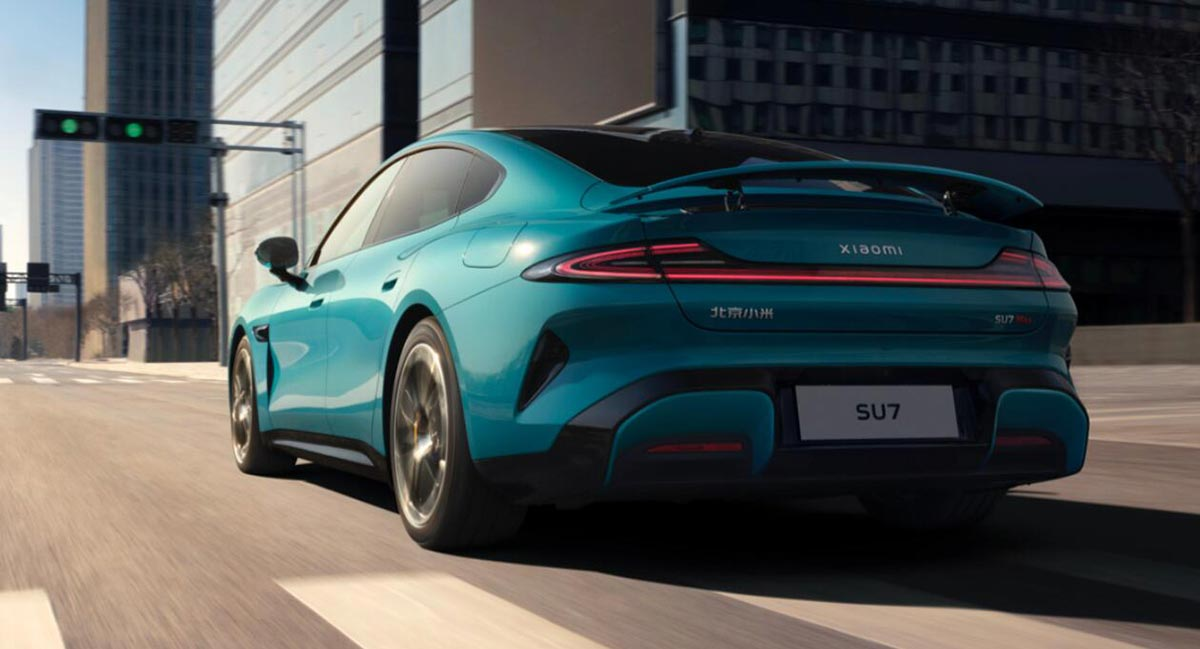
The funds raised will be used to further accelerate Xiaomi’s business expansion and invest in research and technology development, particularly in the EV sector. Xiaomi entered the electric vehicle market last year with the launch of the SU7 sedan. The company reported a 50% jump in fourth-quarter revenue and raised its target for EV deliveries this year to 350,000, up from 300,000.

Xiaomi’s EV business generated 32.1 billion yuan ($4.4 billion) in revenue in 2024, delivering more than 135,000 SU7 sedans. The company plans to start shipping cars overseas in 2027 and is expanding its production capabilities with a new land purchase for its auto factory in Beijing.

In addition to its EV ambitions, Xiaomi is also focusing on AI, planning to allocate 7-8 billion yuan out of its 2025 total R&D budget of 30 billion yuan to AI development. The share sale comes amid a wave of tech-focused capital raisings from Chinese companies, as positive sentiment around the tech sector grows, partly fueled by easing government scrutiny.
China Equity Issuance Doubles as Tech Race Draws Global Investors

China’s stock markets are seeing renewed interest from global investors, with equity issuance in the first quarter of 2025 nearly doubling compared to the previous year. The surge, totaling $16.8 billion, reflects a shift in investor sentiment as government scrutiny of technology firms eases and emerging tech players like AI software developer DeepSeek gain traction.

The first-quarter equity issuance represents a 119% increase compared to the same period in 2024. Investment activity is being driven by a re-rating of China’s stock market, with investors shifting their focus from caution to seeking opportunities. Despite ongoing risks, especially regarding U.S.-China tensions, China’s valuation gap compared to other global markets is becoming more apparent, attracting long-term investors.

In Hong Kong, the Hang Seng Index has surged 21% this year, outperforming international markets. The MSCI China index is also trading at lower price-to-earnings ratios compared to U.S. and other global markets, making it an attractive option for global investors.

Key to this shift in investor outlook is the easing of government restrictions on China’s tech sector, highlighted by a summit led by President Xi Jinping with top tech leaders. The rise of DeepSeek, an AI company, has further fueled optimism in China’s tech market. The Chinese government’s support for private tech companies, especially in AI, quantum computing, and semiconductors, is being seen as a positive development for foreign investors.

Chinese companies, including those in the AI sector, are helping to drive IPO activity in Hong Kong. With continued strong support from mainland and Hong Kong regulators, the market’s recent surge in activity is expected to remain sustainable.

Former Intel CEO Pat Gelsinger Joins Religious Tech Firm Gloo to Lead AI Development

Pat Gelsinger, the former CEO of Intel and VMware, has taken on a new role as the head of technology and executive chairman at Gloo, a Boulder, Colorado-based tech company focused on providing tools for Christian churches and faith-based organizations. In this role, Gelsinger will help develop artificial intelligence (AI) technologies, including virtual assistants and chatbots, aimed at enhancing the capabilities of religious groups.

Gelsinger’s appointment marks his return to an operational leadership role after leaving Intel in 2024 following disagreements with the board over his turnaround plans. Gelsinger has been a lifelong Christian and has led a group in the San Francisco Bay Area focused on expanding church membership for over a decade. Prior to this new role, he served on Gloo’s board as non-executive chairman since 2018.

Founded in 2013, Gloo raised $110 million in growth financing last year to support its AI initiatives. The company is working on developing chatbots with a “safe search” feature that provides answers rooted in Christian teachings. Gelsinger will oversee Gloo’s product and engineering teams as they work on expanding these AI tools.

“Technology has the power to connect, uplift, and transform lives — but only when built with purpose,” Gelsinger stated in a press release.