Yazılar

OpenAI Launches ChatGPT Atlas Browser, Taking Direct Aim at Google Chrome

OpenAI unveiled ChatGPT Atlas on Tuesday, its first AI-powered web browser, positioning it as a serious challenger to Google Chrome’s dominance. Built around the company’s flagship chatbot, Atlas integrates conversational search, task automation, and real-time web interaction into one platform — a move that could reshape how users navigate the internet.

With more than 800 million weekly ChatGPT users, OpenAI aims to extend its reach into everyday browsing, potentially capturing vast amounts of consumer interaction data and accelerating the shift from keyword searches to AI-driven query synthesis. The launch triggered market ripples, with Alphabet (GOOGL.O) shares falling 1.8% in afternoon trading.

Atlas introduces features such as a ChatGPT sidebar that summarizes articles, compares products, and extracts data directly from websites. A premium “agent mode” allows ChatGPT to autonomously complete online tasks, from trip planning to shopping. In a live demo, the AI browsed for a recipe, then purchased all listed ingredients via Instacart, demonstrating what OpenAI calls “autonomous digital agency.”

The browser debuted on Apple’s macOS, with Windows, iOS, and Android versions coming soon. OpenAI CEO Sam Altman said the launch represents the company’s broader mission to “reimagine how people interact with information and the web.”

The move intensifies OpenAI’s rivalry with Google, which has been embedding its Gemini AI model into Chrome and search results. Google Chrome still commands 71.9% of the global browser market, according to StatCounter, but analysts say Atlas could erode that lead — especially if OpenAI enters the digital advertising space.

“Integrating chat into a browser is a precursor for OpenAI to start selling ads,” said Gil Luria, analyst at D.A. Davidson. “If it does, it could take a meaningful share of search advertising from Google, which currently holds about 90% of that market.”

The launch of Atlas marks a new phase in OpenAI’s challenge to Big Tech dominance, potentially transforming how people browse, search, and transact online — and redefining the balance of power in the AI era.

Anthropic, Google Discuss Cloud Deal Worth Tens of Billions, Bloomberg Reports

Anthropic, the AI startup behind the Claude chatbot, is in advanced discussions with Google (GOOGL.O) over a massive cloud computing deal valued in the high tens of billions of dollars, according to Bloomberg News, citing people familiar with the talks. The agreement, which is not yet finalized, would see Google provide cloud infrastructure and computing power to support Anthropic’s fast-growing AI operations.

The potential deal underscores the increasing cost and scale of AI development, as companies like Anthropic, OpenAI, and Microsoft-backed Mistral race to secure computing resources needed to train and deploy large language models.

Alphabet shares rose 2.3% after hours following the report, reflecting investor optimism over Google Cloud’s role as a major infrastructure provider for next-generation AI systems. Google declined to comment, while Anthropic did not immediately respond to requests for clarification.

Anthropic, which counts Google and Amazon (AMZN.O) among its biggest investors, has seen rapid adoption of its enterprise AI products and is reportedly on track to reach a $9 billion annual revenue run rate by the end of 2025, nearly tripling its current pace, according to a Reuters report last week.

The collaboration could deepen Google’s long-standing relationship with Anthropic, which already relies heavily on Google Cloud for model training. If completed, the deal would be among the largest cloud infrastructure partnerships ever in the AI sector, solidifying both firms’ positions in the escalating competition against OpenAI and Microsoft.

U.S. Safety Regulators Probe Waymo Robotaxis Over School Bus Incident

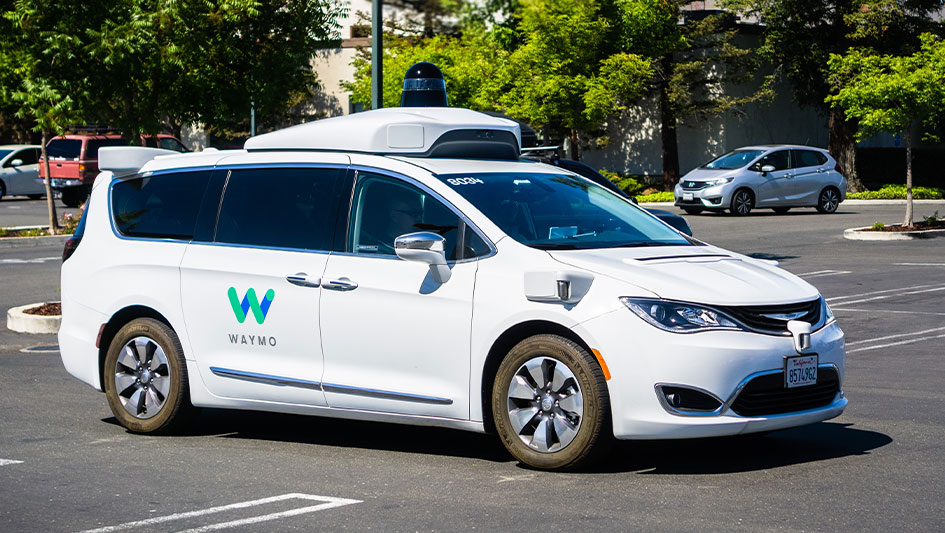
U.S. auto safety regulators have opened a preliminary investigation into Waymo, Alphabet’s self-driving car unit, after reports that one of its robotaxis failed to stop properly for a school bus in Georgia. The probe, launched by the National Highway Traffic Safety Administration (NHTSA), covers about 2,000 vehicles equipped with Waymo’s fifth-generation Automated Driving System.

The investigation follows a media report showing a Waymo vehicle maneuvering around a stopped school bus with its red lights flashing and stop arm extended while children were disembarking — a clear violation of school bus safety protocols. NHTSA said the vehicle initially stopped before moving around the bus, suggesting a potential software or perception failure.

Regulators noted that given Waymo’s extensive operations — the company’s autonomous cars have logged over 100 million miles and currently drive 2 million miles per week — similar incidents could have occurred previously. The agency emphasized the need to evaluate how Waymo’s technology responds to critical real-world safety cues, particularly around children and pedestrians.

Waymo acknowledged the event, saying it has already implemented software improvements to enhance behavior around school buses and will issue further updates soon. “Driving safely around children has always been one of our highest priorities,” a company spokesperson said, explaining that the vehicle’s sensors may not have initially detected the flashing signals due to its angle of approach.

The company operates a fleet of over 1,500 driverless vehicles in Phoenix, San Francisco, Los Angeles, and Austin. The new probe comes months after NHTSA closed another 14-month investigation into Waymo’s earlier collisions with stationary objects, which led to two vehicle recalls.