Yazılar

Google unveils Gemini Enterprise AI platform to expand corporate reach

Google, part of Alphabet, has launched Gemini Enterprise, a new AI platform for business clients designed to bring advanced artificial intelligence capabilities to the workplace. The move marks the company’s most significant push yet to compete with Microsoft, OpenAI, and Anthropic in the fast-growing enterprise AI sector.

Powered by Google’s most advanced Gemini AI models, the platform enables employees to converse directly with company data, documents, and applications, allowing faster decision-making and research. It offers both pre-built AI agents for common tasks — like data analysis and deep research — and tools for companies to build custom agents tailored to their operations.

Google said it has already signed major clients for Gemini Enterprise, including Gap, Figma, and Klarna, as the platform builds on the company’s existing Google Workspace suite, which integrates AI features across apps like Gmail, Docs, and Sheets.

The launch comes amid intensifying competition among tech giants seeking to monetize AI through enterprise subscriptions and workplace automation. Analysts view Gemini Enterprise as Google’s next step in turning its AI research into scalable business tools.

Google and NBCUniversal Seal Multi-Year Deal to Keep Popular Shows on YouTube TV

Alphabet’s Google and Comcast-owned NBCUniversal have reached a multi-year agreement ensuring that hit programs like “Sunday Night Football” and “America’s Got Talent” will remain available on YouTube TV, one of the largest pay-TV services in the United States.

The deal, announced Thursday, concludes a tense negotiation over carriage fees and preserves YouTube TV’s access to NBCUniversal’s full portfolio, including networks such as NBC, CNBC, and MSNBC. The companies also confirmed that NBCUniversal’s Peacock streaming service will continue to be available through YouTube’s Primetime Channels, a marketplace where users can subscribe to third-party streaming platforms directly via the YouTube app.

“This deal builds on our longstanding partnership with NBCU while addressing the evolving media landscape and recognizing the importance of making content available where and how viewers want to watch it,” said Justin Connolly, YouTube’s global head of media and sports.

The new agreement includes an extension of Peacock’s availability across Google’s Android platforms, including Google Play and Google TV. The partnership underscores Google’s growing influence in television distribution—YouTube now represents the largest share of TV viewing in the U.S., surpassing both Netflix and traditional networks like Disney, according to Nielsen data.

Earlier in the week, the two companies had signed a short-term extension to prevent a blackout while negotiations continued. The resolution ensures uninterrupted access to NBC content for YouTube TV subscribers, who had faced uncertainty over potential programming losses.

YouTube TV, now among the top four U.S. pay-TV distributors, has leveraged Alphabet’s vast financial resources to strengthen its bargaining position in similar talks with Paramount Skydance and Fox Corporation—a sign of its expanding clout in the rapidly consolidating media ecosystem.

The agreement reflects a broader shift in the entertainment industry, where tech platforms are becoming the new cable giants, dictating how and where millions of viewers watch television.

Waymo Launches Corporate Robotaxi Accounts to Target Business Travel

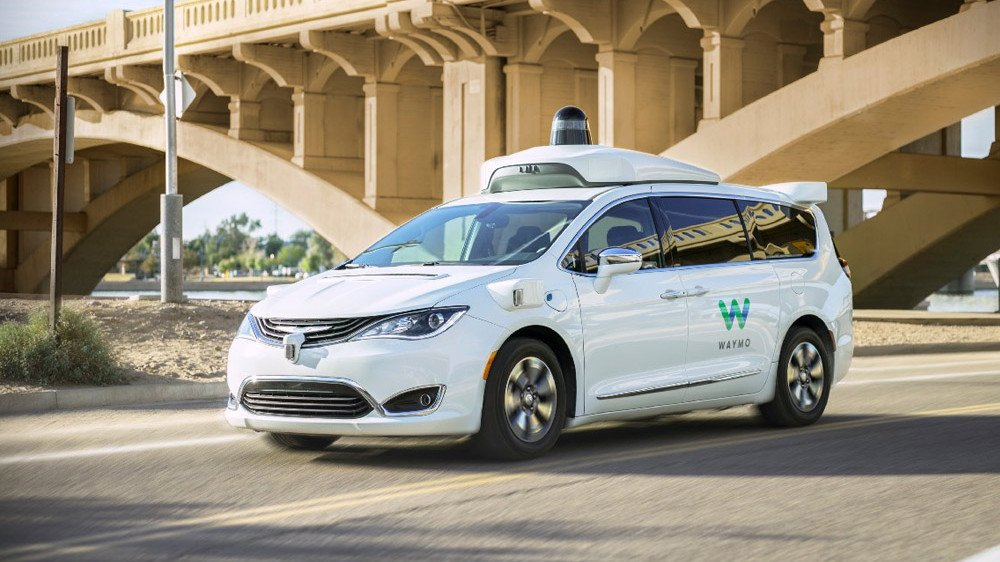
Alphabet-owned Waymo announced on Wednesday the launch of “Waymo for Business,” a corporate program that allows companies to set up accounts for employees to use its robotaxi service across Los Angeles, Phoenix, San Francisco, Austin, and Atlanta.

The initiative is aimed at tapping into recurring corporate travel demand, giving employers tools to control when, where, and how staff use autonomous rides. It marks another step in Waymo’s efforts to expand the commercial use of its driverless fleet.

Waymo said it now completes more than 1 million rides per month, with nearly one in six riders in San Francisco, Los Angeles, and Phoenix using the service for commuting. The company has recently expanded operations, launching paid driverless rides in Atlanta and broadening coverage in Austin.

Through an administrative portal, organizations can manage employee access, issue promo codes, and generate reports to track ride usage and expenses. Early adopters include Carvana, the Phoenix-based online used-car retailer.

The business service is still in its early stages, but Waymo said more features will be added over time to support companies of various sizes.

A key focus for Waymo is airport access, a priority for frequent business travelers. The company already serves Phoenix Sky Harbor Airport, recently gained approval to operate at San José Mineta International Airport, and holds a testing permit at San Francisco International Airport ahead of possible commercial service.