Yazılar

Waymo Launches Corporate Robotaxi Accounts to Target Business Travel

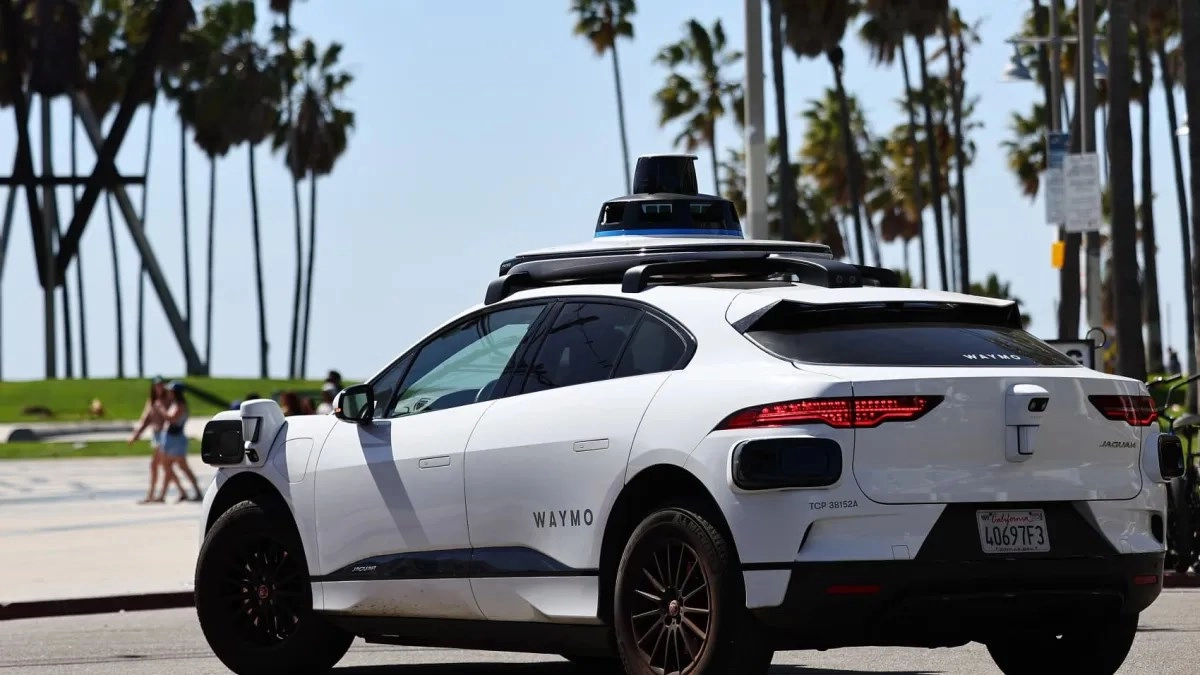
Alphabet-owned Waymo announced on Wednesday the launch of “Waymo for Business,” a corporate program that allows companies to set up accounts for employees to use its robotaxi service across Los Angeles, Phoenix, San Francisco, Austin, and Atlanta.

The initiative is aimed at tapping into recurring corporate travel demand, giving employers tools to control when, where, and how staff use autonomous rides. It marks another step in Waymo’s efforts to expand the commercial use of its driverless fleet.

Waymo said it now completes more than 1 million rides per month, with nearly one in six riders in San Francisco, Los Angeles, and Phoenix using the service for commuting. The company has recently expanded operations, launching paid driverless rides in Atlanta and broadening coverage in Austin.

Through an administrative portal, organizations can manage employee access, issue promo codes, and generate reports to track ride usage and expenses. Early adopters include Carvana, the Phoenix-based online used-car retailer.

The business service is still in its early stages, but Waymo said more features will be added over time to support companies of various sizes.

A key focus for Waymo is airport access, a priority for frequent business travelers. The company already serves Phoenix Sky Harbor Airport, recently gained approval to operate at San José Mineta International Airport, and holds a testing permit at San Francisco International Airport ahead of possible commercial service.

FTC Probes AI Chatbots from Alphabet, Meta, OpenAI and Others

The U.S. Federal Trade Commission (FTC) announced on Thursday that it has launched an inquiry into major providers of AI-powered consumer chatbots, including Alphabet (Google), Meta Platforms, OpenAI, Character.AI, Snap, and xAI.

Focus of the Inquiry

The FTC is demanding details on:

  • How chatbots are tested, measured, and monitored for potential negative impacts.

  • Monetization strategies, including how companies profit from user engagement.

  • Processing of user inputs and the generation of responses.

  • Use of conversation data, and whether it is exploited for advertising, training, or other commercial purposes.

Rising Scrutiny

Generative AI tools have recently drawn criticism following safety scandals:

  • Reuters revealed internal Meta policies that allowed chatbots to engage in romantic conversations with children.

  • OpenAI is facing a lawsuit alleging ChatGPT contributed to a teenager’s suicide.

  • Character.AI is under a separate lawsuit tied to another teen death.

Company Responses

  • Character.AI: said it will cooperate, highlighting new safety features rolled out over the past year.

  • Snap: welcomed the FTC’s focus, saying it supports policies that balance innovation with community protection.

  • Meta: declined to comment.

  • Alphabet, OpenAI, xAI: did not immediately respond.

Bigger Picture

The inquiry reflects Washington’s growing concern over AI risks, especially for children and vulnerable users. Regulators are looking to balance innovation with consumer protection, while lawsuits and scandals raise urgency for stricter oversight.

Oracle’s Record-Breaking Surge Highlights AI Trade’s Dominance in Markets

Wall Street’s AI-driven rally hit another milestone this week as Oracle’s shares soared 36%, pushing its market value to $922 billion and reinforcing artificial intelligence as the defining force behind 2025’s equity boom.

Oracle’s AI Catalyst

  • The surge followed Oracle’s disclosure of four multi-billion-dollar cloud contracts driven by demand from AI companies such as OpenAI and xAI.

  • The move places Oracle among the 10 most valuable U.S. companies, overtaking names like Eli Lilly, JPMorgan, and Walmart.

  • Oracle’s stock has nearly doubled in 2025, making it one of the top S&P 500 performers.

AI Trade in Context

  • Nvidia, Microsoft, Alphabet, Amazon, Palantir, Broadcom, Meta Platforms, and Oracle together have accounted for about half of the S&P 500’s 11% gain this year.

  • Nvidia remains the world’s most valuable company at $4.3 trillion, despite a minor pullback after its August sales forecast.

  • The technology sector overall is up 16% year-to-date, with forward P/E ratios at 28x earnings — well above the 10-year average of 22x.

Broader Market Impact

  • AI-linked stocks now dominate trading activity: 9 of the 10 most traded companies this week were AI-related (Apple being the lone exception).

  • The enthusiasm has spread beyond tech: utilities and industrials like GE Vernova, Constellation Energy, and Vistra are gaining on expectations of higher energy demand to fuel AI infrastructure.

  • This has lifted the S&P 500’s overall valuation to 22x forward earnings, near a four-year high.

Investor Sentiment

Despite concerns about overheating, analysts see Oracle’s surge as proof that capital continues flowing heavily into AI plays.

“I was very surprised by the magnitude of the (Oracle) jump and it shows there is still a lot of life left in the AI trade,” said Chuck Carlson of Horizon Investment Services.