Yazılar

Trump slaps $100K annual fee on H-1B visas, rattling U.S. tech sector

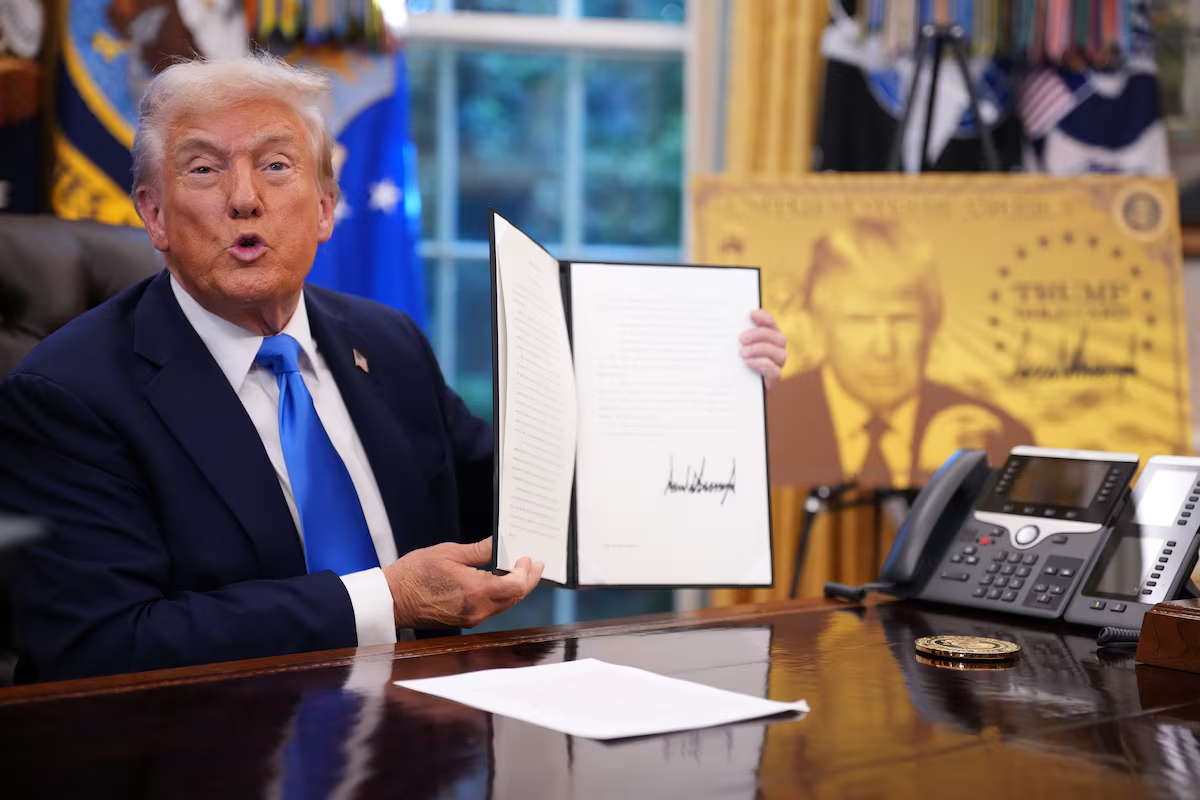
The Trump administration on Friday announced a sweeping change to the H-1B visa program, saying companies will now have to pay $100,000 per year per visa—a move critics warn could devastate the U.S. tech industry’s access to global talent.

Commerce Secretary Howard Lutnick framed the move as part of Trump’s broader immigration crackdown, urging firms to “train Americans” instead of hiring foreign workers. But tech giants including Microsoft, Amazon, and JPMorgan quickly advised employees on H-1B visas to remain in the U.S. or return before the new fees take effect at midnight Saturday.

The H-1B program, which provides 85,000 visas annually for specialized workers, has long been dominated by Indian nationals (71% of approvals in 2024) and Chinese professionals (11.7%). In the first half of 2025 alone, Amazon received approval for more than 12,000 H-1B visas, with Microsoft and Meta securing over 5,000 each.

Under the new rules, the cost of a three-year H-1B stint would balloon to $300,000 per worker, compared with just a few thousand dollars under the current system. Analysts say this could force smaller firms and startups to offshore high-value work, weakening the U.S. in the global AI and tech race against China.

Industry figures voiced alarm. Venture capitalist Deedy Das warned the change “creates disincentive to attract the world’s smartest talent,” while eMarketer analyst Jeremy Goldman said Washington risks “taxing away its innovation edge, trading dynamism for short-sighted protectionism.”

The announcement sparked immediate financial fallout: shares of Cognizant sank nearly 5%, while Infosys and Wipro slipped 2–5% in U.S. trading.

Meanwhile, Trump also signed an executive order creating a “gold card” residency program, offering permanent U.S. residency for those who can pay $1 million upfront.

Legal experts questioned the fee’s validity, noting Congress only authorizes visa fees to cover administrative costs, not as a revenue generator. Still, the administration insists “all the big companies are on board.”

Pattern valued at $2.4B as shares dip in Nasdaq debut

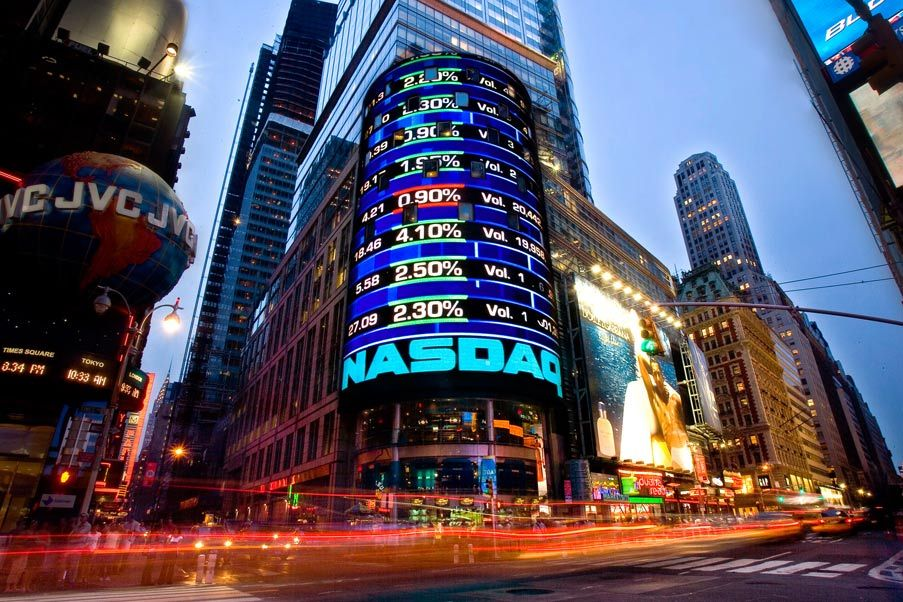
E-commerce accelerator Pattern Group made its Nasdaq debut on Friday with a valuation of $2.38 billion, though its shares slipped 3.6% in early trading, closing at $13.50 versus the $14 offer price. The performance bucks the recent trend of strong first-day rallies for tech IPOs.

Pattern and existing shareholders raised $300 million by selling 21.4 million shares, priced within the marketed range of $13–$15. The Utah-based firm joins a wave of high-profile listings—such as Klarna and blockchain lender Figure—that have helped restore investor confidence in the U.S. IPO market after months of volatility tied to trade and tariff concerns.

Founded in 2013 as iServe by David Wright and Melanie Alder, Pattern positions itself as an “e-commerce accelerator.” It buys inventory directly from brands and resells it on platforms including Amazon, Target, Walmart, and eBay, using AI-driven tools and global marketplace expertise to optimize sales.

Analysts caution, however, that Pattern’s heavy dependence on Amazon leaves it vulnerable to changes in fee structures or marketplace policies. Trade policy shifts, such as the removal of the de-minimis import exemption, could also raise costs for cross-border sellers and complicate growth strategies.

IPO experts said the mixed debut reflects a selective investor environment, where companies with strong fundamentals and clearer risk profiles are being rewarded, while others face tougher scrutiny amid persistent inflation and labor market concerns.

Judge rules Amazon violated shopper protection law in Prime case

Amazon (AMZN.O) violated U.S. consumer protection law by collecting Prime subscribers’ billing details before disclosing the service’s full terms, a federal judge ruled on Wednesday. The decision marks a partial victory for the Federal Trade Commission (FTC) as it prepares for trial against the retail giant.

U.S. District Judge John Chun said Amazon’s practices breached the Restore Online Shoppers Confidence Act (ROSCA), bolstering the FTC’s argument that the company used deceptive tactics to drive Prime signups. The agency alleges Amazon enrolled tens of millions of people in Prime without consent and made cancellation excessively difficult, frustrating millions of attempts to quit.

“Today’s decision affirms that Amazon defrauded American consumers by failing to disclose all terms of Prime before collecting consumer’s payment information,” said Chris Mufarrige, head of the FTC’s consumer protection bureau. “The Trump-Vance FTC intends to make them whole.”

The ruling also holds two Amazon executives potentially liable for violations if proven at trial, while preventing Amazon from arguing that ROSCA does not apply to Prime subscriptions.

Amazon rejected the allegations, saying it has always acted properly. “The bottom line is that neither Amazon nor the individual defendants did anything wrong,” a spokesperson said. “We remain confident that the facts will show these executives acted properly and we always put customers first.”