
Yazılar

Judge rules Amazon violated shopper protection law in Prime case

Amazon (AMZN.O) violated U.S. consumer protection law by collecting Prime subscribers’ billing details before disclosing the service’s full terms, a federal judge ruled on Wednesday. The decision marks a partial victory for the Federal Trade Commission (FTC) as it prepares for trial against the retail giant.

U.S. District Judge John Chun said Amazon’s practices breached the Restore Online Shoppers Confidence Act (ROSCA), bolstering the FTC’s argument that the company used deceptive tactics to drive Prime signups. The agency alleges Amazon enrolled tens of millions of people in Prime without consent and made cancellation excessively difficult, frustrating millions of attempts to quit.

“Today’s decision affirms that Amazon defrauded American consumers by failing to disclose all terms of Prime before collecting consumer’s payment information,” said Chris Mufarrige, head of the FTC’s consumer protection bureau. “The Trump-Vance FTC intends to make them whole.”

The ruling also holds two Amazon executives potentially liable for violations if proven at trial, while preventing Amazon from arguing that ROSCA does not apply to Prime subscriptions.

Amazon rejected the allegations, saying it has always acted properly. “The bottom line is that neither Amazon nor the individual defendants did anything wrong,” a spokesperson said. “We remain confident that the facts will show these executives acted properly and we always put customers first.”

FTC investigates Google and Amazon over ad pricing transparency

The U.S. Federal Trade Commission (FTC) has opened probes into Google and Amazon, examining whether the tech giants misled advertisers about the terms and costs of placing ads on their platforms, according to a source familiar with the matter.

The investigations, led by the FTC’s consumer protection unit, focus on whether the companies properly disclosed pricing structures and auction practices. Regulators are scrutinizing Amazon’s use of “reserve pricing”—a minimum price advertisers must accept before buying an ad—and whether those rules were clearly communicated. Google is being investigated for whether it raised ad costs internally without disclosing the changes to advertisers.

Both companies declined to comment on the probe.

The news comes as the two firms face mounting legal challenges. On September 22, trials are set to begin in separate federal cases:

  • The FTC vs. Amazon in Seattle, alleging the company enrolled consumers into Prime without consent and made cancellations excessively difficult.

  • The DOJ vs. Google in Virginia, where regulators are seeking the breakup of its advertising technology business, after a judge ruled the company illegally monopolized digital ads.

The FTC is also pursuing a broader case accusing Amazon of holding illegal monopolies in online marketplaces.

With the U.S. already pursuing multiple landmark antitrust and consumer protection cases, the latest probe further underscores regulators’ intensified scrutiny of Big Tech’s advertising power, a market worth hundreds of billions annually.

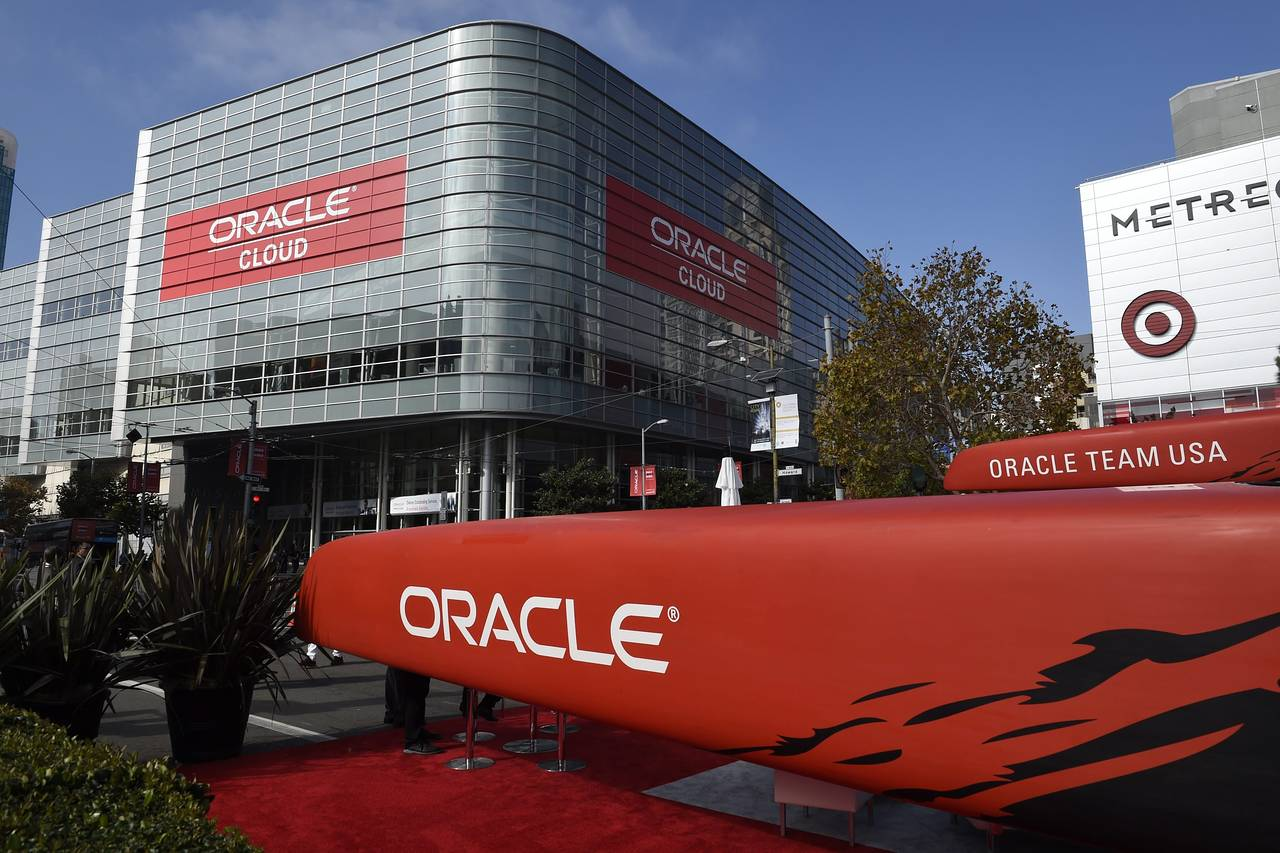
Oracle’s Record-Breaking Surge Highlights AI Trade’s Dominance in Markets

Wall Street’s AI-driven rally hit another milestone this week as Oracle’s shares soared 36%, pushing its market value to $922 billion and reinforcing artificial intelligence as the defining force behind 2025’s equity boom.

Oracle’s AI Catalyst

  • The surge followed Oracle’s disclosure of four multi-billion-dollar cloud contracts driven by demand from AI companies such as OpenAI and xAI.

  • The move places Oracle among the 10 most valuable U.S. companies, overtaking names like Eli Lilly, JPMorgan, and Walmart.

  • Oracle’s stock has nearly doubled in 2025, making it one of the top S&P 500 performers.

AI Trade in Context

  • Nvidia, Microsoft, Alphabet, Amazon, Palantir, Broadcom, Meta Platforms, and Oracle together have accounted for about half of the S&P 500’s 11% gain this year.

  • Nvidia remains the world’s most valuable company at $4.3 trillion, despite a minor pullback after its August sales forecast.

  • The technology sector overall is up 16% year-to-date, with forward P/E ratios at 28x earnings — well above the 10-year average of 22x.

Broader Market Impact

  • AI-linked stocks now dominate trading activity: 9 of the 10 most traded companies this week were AI-related (Apple being the lone exception).

  • The enthusiasm has spread beyond tech: utilities and industrials like GE Vernova, Constellation Energy, and Vistra are gaining on expectations of higher energy demand to fuel AI infrastructure.

  • This has lifted the S&P 500’s overall valuation to 22x forward earnings, near a four-year high.

Investor Sentiment

Despite concerns about overheating, analysts see Oracle’s surge as proof that capital continues flowing heavily into AI plays.

“I was very surprised by the magnitude of the (Oracle) jump and it shows there is still a lot of life left in the AI trade,” said Chuck Carlson of Horizon Investment Services.