Yazılar

Talen Energy to Appeal FERC’s Rejection of Amazon Data Center Deal

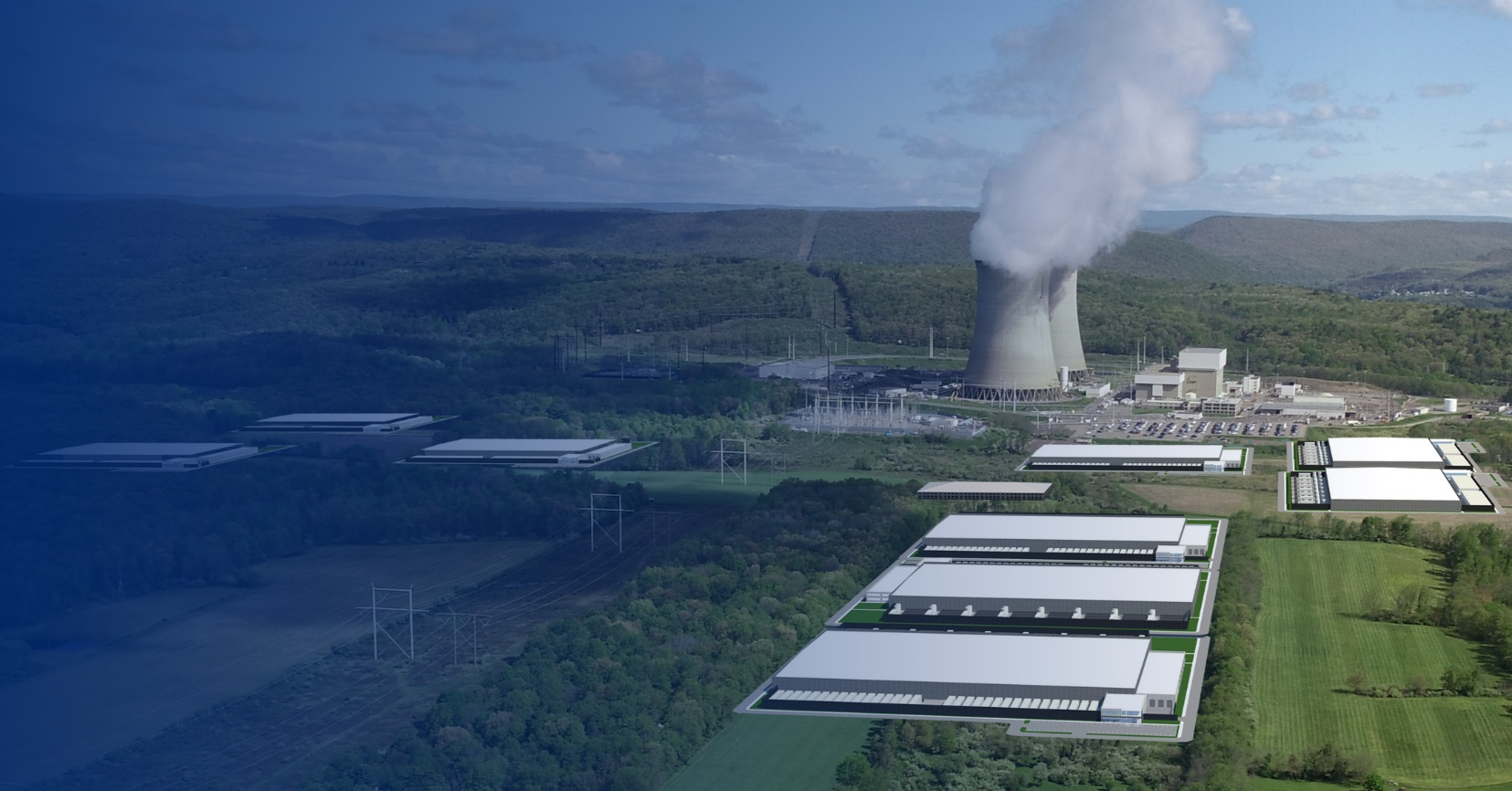
Talen Energy (TLN.O) announced plans to appeal the Federal Energy Regulatory Commission’s (FERC) rejection of an amended interconnection agreement for an Amazon data center at its Susquehanna nuclear plant in Pennsylvania. Earlier this year, Talen Energy sold a data center connected to the plant to Amazon (AMZN.O), aiming to increase its capacity from 300 megawatts to 480 megawatts.

However, the deal faced opposition from major utilities American Electric Power (AEP.O) and Exelon (EXC.O). FERC sided with these companies in a November 1 ruling, blocking the interconnection agreement. Talen Energy requested a rehearing in December, but FERC’s failure to issue a decision within 30 days has made the ruling eligible for appeal to a U.S. Circuit Court of Appeals.

The company stated it will pursue an appeal to challenge the rejection. Despite the regulatory setback, Talen’s shares have surged over 200% this year, and were up 0.6% in afternoon trading.


Amazon Launches 15-Minute Delivery Pilot in India, Enters Quick Commerce Market

Amazon India has officially launched its quick commerce service, entering the competitive market for hyperlocal delivery in India. This new service promises to deliver groceries and daily essentials in 15 minutes or less, catering to the growing demand for faster delivery options. The move marks Amazon’s entry into the quick commerce sector, joining the ranks of other established players like Zomato-owned Blinkit, Swiggy Instamart, and Zepto, which dominate the space.

Initially, the service is being rolled out as a pilot in Bengaluru, one of the country’s largest urban centers. Customers in select areas of the city will be able to place orders for items such as groceries, snacks, and household products, all of which will be delivered within the promised 15-minute window. Amazon’s quick commerce service aims to provide a convenient solution for people who need essential items immediately, without the long wait times typically associated with standard delivery options.

The launch of Amazon’s quick commerce service comes as part of the company’s strategy to strengthen its presence in India’s rapidly growing e-commerce market. Quick commerce has become a significant trend in India due to the increasing demand for on-demand delivery, driven by the fast-paced lifestyle of urban consumers. While players like Blinkit and Zepto have already captured a large share of the market, Amazon is hoping its extensive infrastructure and large customer base will allow it to carve out its own niche.

With the initial rollout in Bengaluru, it remains to be seen whether Amazon will expand its service to other cities in the coming months. The success of this service will depend on its ability to meet the delivery times and customer satisfaction levels set by its competitors. However, with Amazon’s vast logistical network and resources, the company is well-positioned to compete in the quick commerce market and possibly disrupt the current market dynamics.

Amazon Implements Worker Safety Measures to Settle OSHA Probe

Amazon has agreed to implement a range of safety measures across all its U.S. facilities to settle a federal investigation by the Occupational Safety and Health Administration (OSHA), which had accused the company of failing to prevent worker injuries, including back problems and other ergonomic issues. The settlement addresses claims made by OSHA at 10 of Amazon’s facilities, which were scheduled for trial before administrative judges next year.

Key Safety Measures and Settlement Details

As part of the settlement, Amazon will introduce ergonomic measures at all of its fulfillment, sorting, and delivery centers. These measures include adjustable height workstations, ergonomic mats, harnesses, job rotations, and a system to review and address hazards identified by workers. While certain policies are already in place at some facilities, these changes will now be rolled out across all U.S. operations.

Amazon spokesperson Maureen Lynch Vogel clarified that nine of the 10 complaints were withdrawn by OSHA. The remaining complaint involves an Illinois warehouse and centers on concerns about handling bulky items like televisions. She emphasized that the settlement did not require Amazon to adopt new measures but instead focused on continuing its efforts with certified ergonomists to ensure compliance.

Penalties and Impact on Workers

Amazon will pay $145,000 in penalties, which represents about 90% of the amount originally sought by OSHA in the complaints. The settlement is expected to have a significant impact on the safety of Amazon’s workforce, which includes hundreds of thousands of workers across the country. OSHA Director Douglas Parker stated that the agency is prepared to work with Amazon to monitor its progress in implementing the safety measures and verify the commitments made by the company.

Broader Context and Ongoing Controversies

This settlement comes amid ongoing labor unrest at Amazon. On the same day, workers at seven of Amazon’s U.S. facilities staged walkouts to protest what they describe as unfair treatment and unsafe working conditions. Worker safety concerns, particularly regarding production quotas and injury rates, have been central to unionization efforts at Amazon, where many workers are employed by third-party contractors. Unions and worker advocates have long criticized Amazon for allegedly pressuring employees to meet unsafe production targets.

While Amazon has denied imposing quotas and has invested over $1 billion in worker safety, the settlement with OSHA does not address a separate ongoing investigation by federal prosecutors in New York into allegations that Amazon concealed injury rates and safety hazards at its warehouses.