Yazılar

Amazon Workers Strike at Seven U.S. Facilities During Holiday Rush

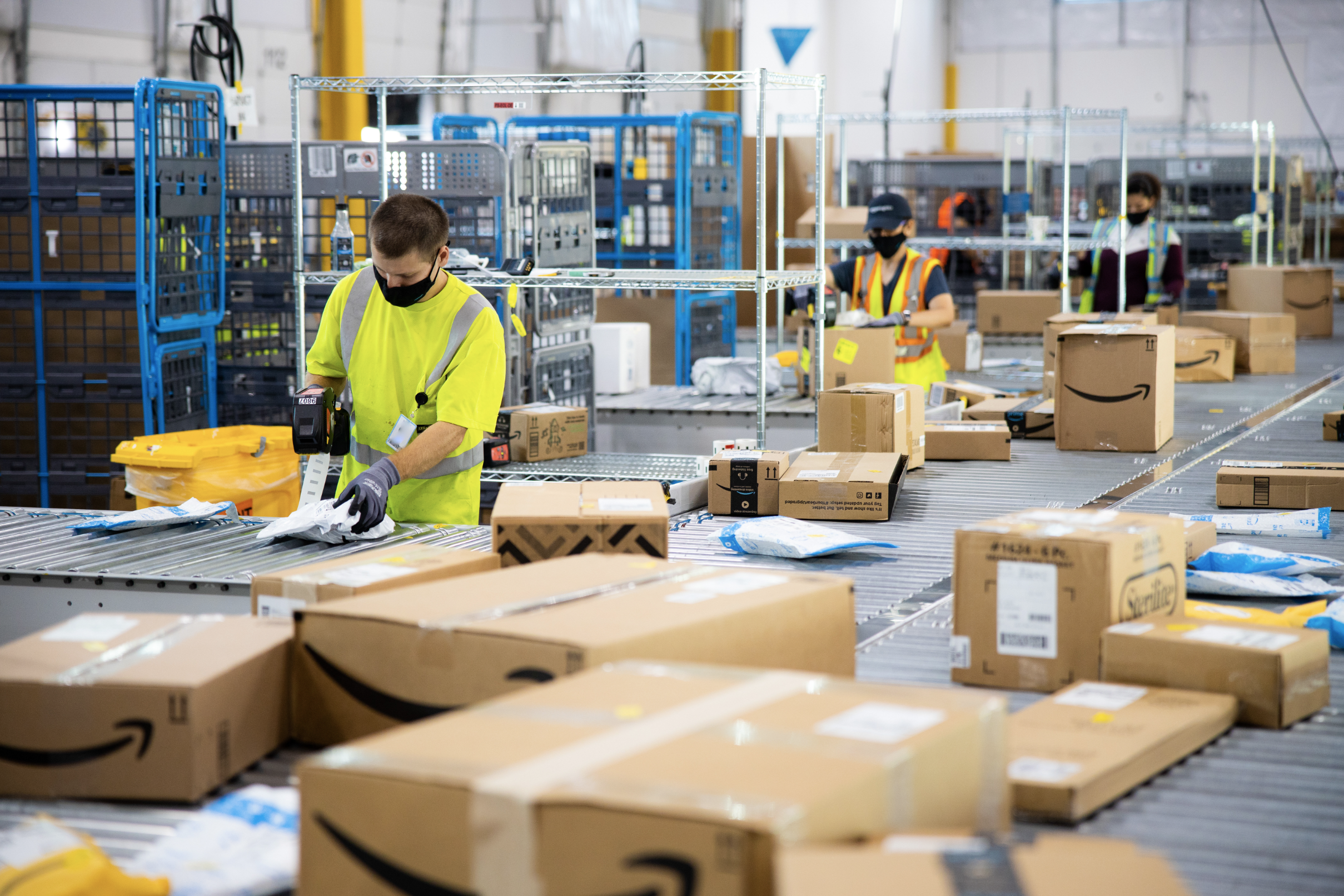
Workers at seven Amazon facilities in cities like New York, Atlanta, and San Francisco staged walkouts early Thursday amid the busy holiday shopping season. The protest, organized by the Teamsters union, is being described as the largest-ever strike against the e-commerce giant. However, Amazon’s extensive network of facilities and operations is expected to prevent significant disruptions.

The workers, supported by Teamsters members, are demanding fair treatment and better working conditions, citing Amazon’s emphasis on speed and efficiency as a cause of workplace injuries and excessive physical demands. “There’s a rigorous quota system that pushes people beyond their physical limits,” said Jordan Soreff, a 63-year-old delivery driver in New York.

At an Amazon facility in Queens, approximately 100 people joined the protest, including union members not employed by Amazon. Despite the demonstration, operations at the facility continued, aided by police assistance to ensure delivery trucks could move freely.

Amazon, the world’s second-largest private employer, has dismissed the strike’s impact, stating it expects no material effect on operations. The company accused the Teamsters of misleading the public and using coercion to involve employees and third-party drivers.

Labor Tensions and Broader Context

The strike is part of a larger wave of labor actions across industries, with unions pushing for better pay and working conditions. Workers in the automotive, aerospace, and rail sectors have already achieved significant concessions this year. Additionally, unions representing Starbucks baristas and U.S. port workers have threatened or authorized strikes in recent months.

Amazon has faced growing unionization efforts but has remained resistant. The company has yet to recognize the first facility to unionize in Staten Island, citing legal objections to the vote. It has also challenged the constitutionality of the National Labor Relations Board, which oversees union elections.

Despite the protests, Amazon recently announced a $2.1 billion investment to raise wages for fulfillment and transportation employees in the U.S., bringing base pay to around $22 per hour. However, the International Brotherhood of Teamsters claims Amazon has failed to engage in negotiations despite a December 15 deadline.

Global Solidarity and Worker Demands

The strike has drawn international attention, with Germany’s United Services Union announcing solidarity strikes at Amazon warehouses across the country. In San Francisco, 30-year-old warehouse worker Janeé Roberts joined the protest, citing unsafe conditions and insufficient benefits for part-time employees. “I see the wear and tear on my coworkers’ bodies,” she said.

Amazon’s operations, including its grocery chain Whole Foods, continue to face union challenges. In November, workers at a Philadelphia Whole Foods filed for a union election, marking the first such effort since Amazon acquired the chain in 2017.

While the strike underscores escalating labor tensions, analysts believe Amazon’s robust infrastructure and preparation for the holiday rush will minimize disruptions. Morningstar analyst Dan Romanoff noted, “It is possible there may be some isolated incidents of delay, but I do not think there will be a material impact.”


ULA Plans Vulcan Rocket Upgrade to Compete with SpaceX’s Starship

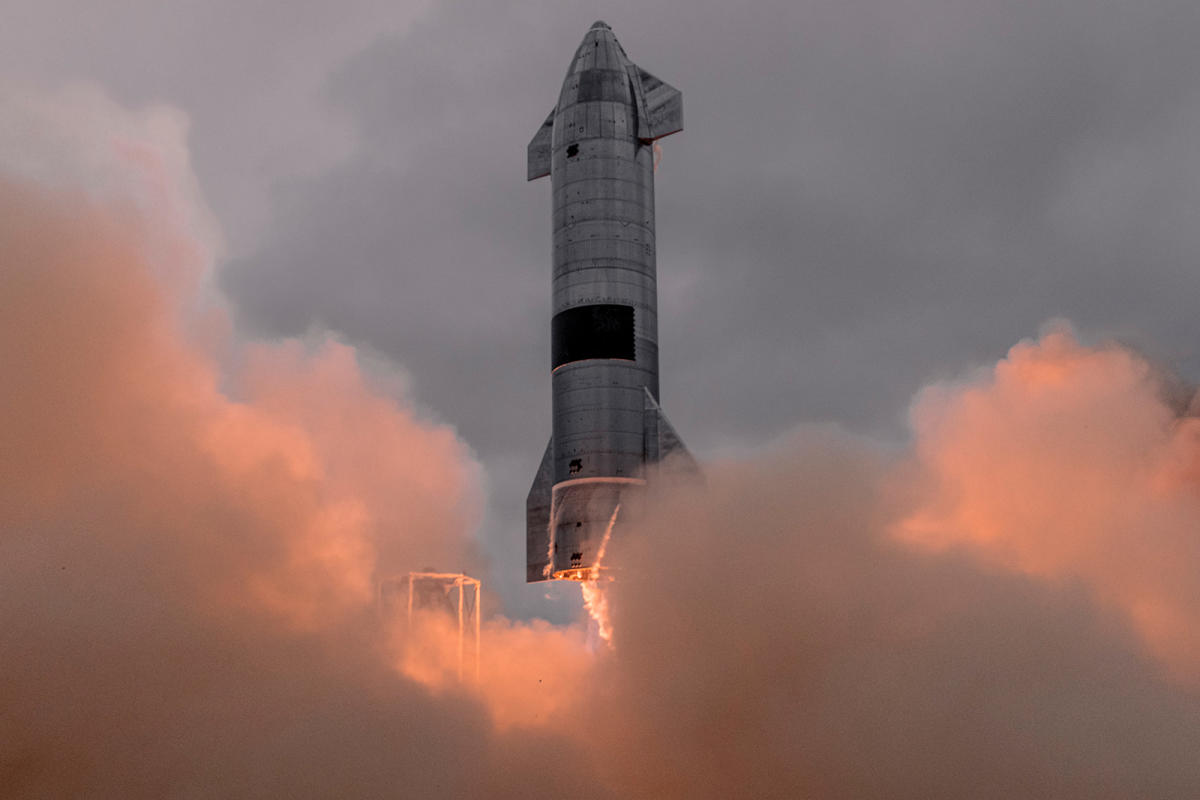
United Launch Alliance (ULA), the rocket venture between Boeing and Lockheed Martin, is planning an upgrade to its Vulcan rocket in a bid to compete with SpaceX’s Starship in the growing low Earth orbit (LEO) satellite launch market. According to ULA CEO Tory Bruno, the company aims to develop a version of the Vulcan rocket specifically designed to meet the demands of the LEO market, which has been largely dominated by SpaceX’s Starlink satellite deployments.

“We recently completed a major trade study for what we need to be competitive in the future LEO market,” Bruno told Reuters at a military space conference in Orlando. “We’ve selected a modification to Vulcan that gives us significantly more mass to LEO and puts us in a competitive range.”

The Vulcan rocket, powered by engines from Jeff Bezos’ Blue Origin, has already completed its first two launches this year. Initially designed for Pentagon missions, the Vulcan is now being reconfigured to cater to the commercial LEO satellite market. One potential upgrade is the “Vulcan Heavy,” a version with three core boosters for increased payload capacity. Bruno also mentioned other “unique” configurations, including propulsion placements in unconventional locations.

SpaceX’s Starship, which is primarily designed for crewed missions to the Moon and Mars, has turned its attention to accelerating its Starlink satellite launches into LEO. This has intensified competition for launch providers, as companies like Amazon also aim to deploy large satellite networks to challenge Starlink’s dominance. ULA aims to complete the Vulcan upgrade before SpaceX’s Starship becomes fully operational for LEO satellite launches, which Bruno suggests could take several years.

ULA has secured several Vulcan missions with Amazon, aimed at launching the company’s Kuiper satellite network. This makes the Vulcan an integral part of Amazon’s strategy to rival SpaceX’s Starlink. SpaceX has already conducted six test flights of Starship, demonstrating its commitment to testing and improving the rocket’s capabilities, while ULA plans to finalize the Vulcan design before launching it commercially.

In 2024, ULA is set to conduct eight Vulcan missions and 12 Atlas V missions, its predecessor. The Vulcan’s starting launch price is about $110 million, slightly above SpaceX’s Falcon 9, and ULA has a backlog of roughly 70 missions, including those for Amazon.

Although ULA has been considering a sale, drawing interest from companies such as Sierra Nevada Corp and Blue Origin, Bruno has declined to comment on any acquisition discussions.


Trump Explores Privatizing U.S. Postal Service Amid Financial Challenges

President-elect Donald Trump has expressed a growing interest in privatizing the U.S. Postal Service (USPS), according to a Washington Post report on Saturday. The report, citing insiders familiar with the discussions, revealed that Trump views the USPS’s financial struggles as a justification for removing its government subsidy.

The USPS, which has incurred losses exceeding $100 billion since 2007, reported a $9.5 billion net loss for its fiscal year ending September 30, marking a $3 billion increase from the previous year. Much of the loss was attributed to higher non-cash workers’ compensation expenses.

Trump reportedly discussed privatization plans with Howard Lutnick, his nominee for commerce secretary, during a meeting at Mar-a-Lago. Additionally, officials expected to join the Department of Government Efficiency under Elon Musk and Vivek Ramaswamy have also explored potential USPS reforms, sources revealed.

A USPS spokesperson highlighted efforts to cut costs, including reducing 45 million work hours and trimming $2 billion in transportation expenses over the past three years. They also stated that regulatory approval for modernizing the postal network could save the agency $3.6-$3.7 billion annually.

Karoline Leavitt, a spokesperson for Trump’s transition team, emphasized that no policy decisions are final until officially announced by Trump or his representatives.

Privatization of the USPS could have significant repercussions, particularly for the U.S. e-commerce sector and rural communities. Amazon, a major USPS partner for last-mile delivery, and small businesses reliant on affordable shipping options could face disruptions. As the only carrier delivering to remote areas, USPS plays a critical role in serving rural Americans.

Amazon, which announced a $1 million donation to Trump’s inaugural fund, may also face further scrutiny. The Trump transition team is reportedly reviewing USPS contracts with Oshkosh and Ford for electrifying its delivery fleet, potentially seeking to unwind these agreements.

The USPS’s financial struggles have been a contentious issue for years. In 2020, Congress authorized a $10 billion loan for the agency as part of a $2.3 trillion coronavirus relief package, a measure Trump threatened to veto.

If pursued, privatization would represent one of the most significant shifts in USPS’s history, raising questions about the future of affordable and universal mail delivery in the United States.