Yazılar

Ancient Moche Tomb Unveils 1,500-Year-Old Family Sacrifices Through Genetic Clues

1,500-Year-Old Moche Tomb Reveals Familial Sacrifices

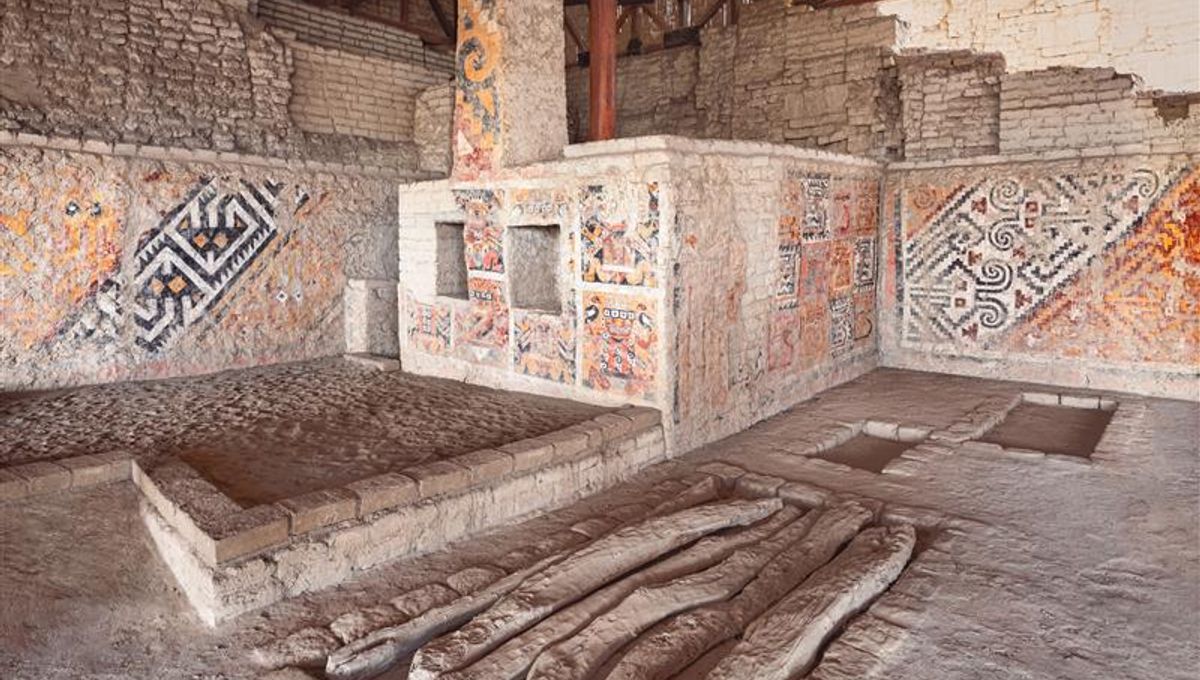
Archaeologists have uncovered evidence of familial sacrifices in a 1,500-year-old tomb from the Moche culture at the Huaca Cao Viejo temple in Peru. Genetic analysis of six individuals buried there revealed that two teenagers, who were strangled as part of a ritual, were closely related to the adults interred in the same tomb. Published in the Proceedings of the National Academy of Sciences (PNAS), the findings shed light on a previously unknown practice of sacrificing close relatives during funerary rites in this ancient civilization.

A Rare Glimpse into Moche Ritual Practices

The Moche culture, which flourished along Peru’s northern coast between A.D. 300 and 950, is well-known for its elaborate ceremonies, often involving human sacrifices to appease deities. However, this discovery marks the first documented instance of family members being sacrificed for such rituals. Lars Fehren-Schmitz, an archaeogeneticist from the University of California, Santa Cruz, noted that no prior archaeological evidence suggested the involvement of close relatives in these sacrifices, making this a groundbreaking revelation about Moche societal and ritualistic norms.

Genomic Evidence of Family Ties

Genomic sequencing revealed that the sacrificed teenagers were directly related to the deceased individuals they were buried with. One of the boys was likely sacrificed following the death of his father, while a girl appears to have been offered during her aunt’s burial. This analysis also identified the tomb’s central figure as Señora de Cao, a high-ranking woman whose remains were interred alongside her brothers. One of these brothers was identified as the father of the sacrificed girl, highlighting the intertwined familial dynamics within the ritual.

A New Perspective on Ancient Peruvian Rituals

This discovery adds a profound layer to our understanding of the Moche civilization’s cultural practices. The inclusion of close relatives in sacrificial rites suggests a deep intertwining of familial loyalty, religious beliefs, and social hierarchy. It also raises questions about the societal pressures and spiritual motivations behind such rituals. By combining genetic analysis with archaeological investigation, researchers are piecing together a more nuanced view of how the Moche honored their dead and engaged with the divine through acts of profound sacrifice.
Ancient 1,800-Year-Old Silver Amulet Discovered in Germany Raises Questions About Early Christianity

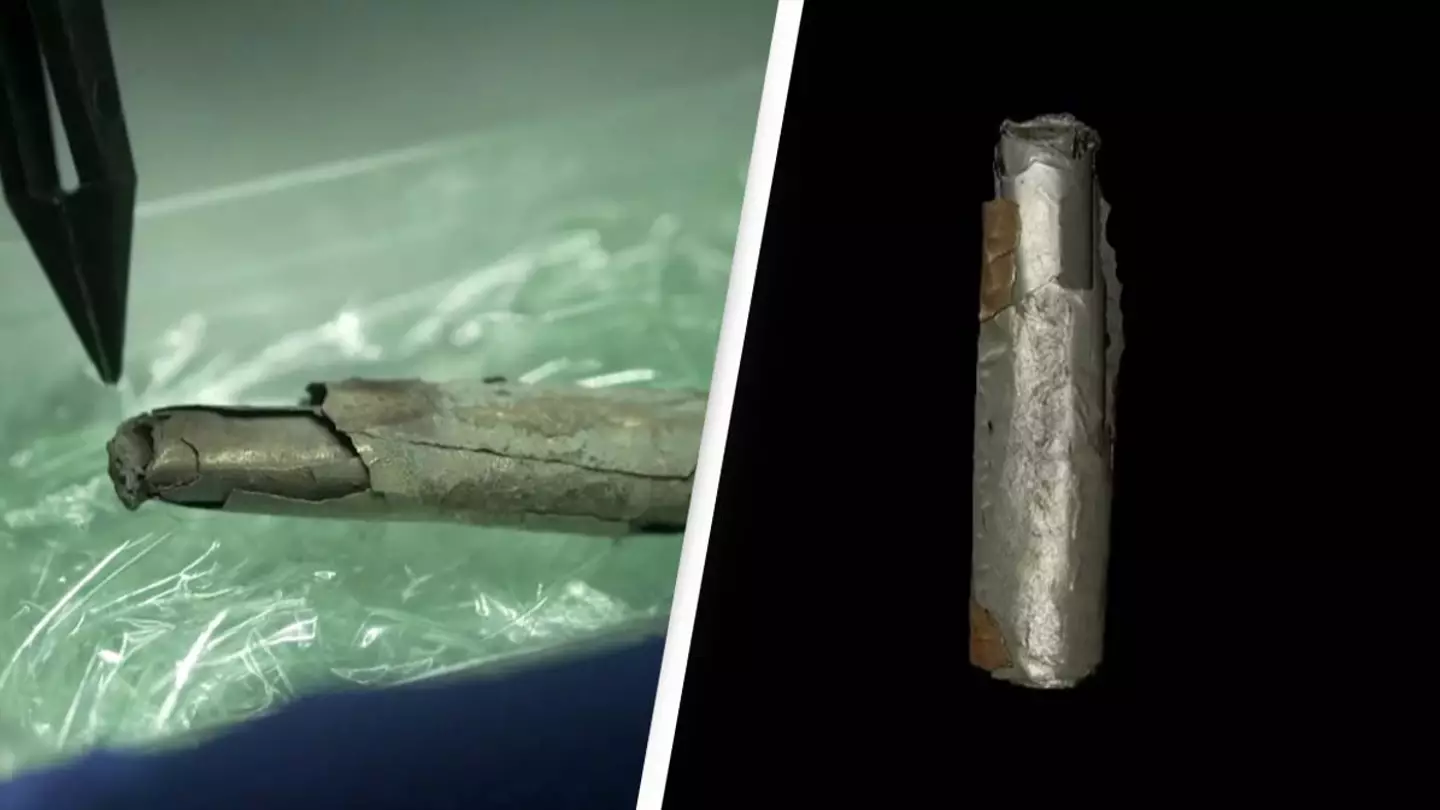
A 1,800-year-old silver amulet unearthed in a Roman-era grave near Frankfurt, Germany, is offering new insights into the spread of Christianity in the Roman Empire. The amulet, dated between AD 230 and 270, contains an 18-line Latin inscription, making it the oldest known Christian artifact found north of the Alps. This discovery, detailed in a December 11 study by the Leibniz Center for Archaeology (LEIZA), challenges previous assumptions about the early reach of Christianity and its presence in the western provinces of the Roman Empire.

The amulet, measuring just 3.5 centimeters, was found in a grave containing the remains of a man buried on the outskirts of Frankfurt. Positioned beneath the man’s chin, the amulet is believed to have been worn as a pendant on a cord around his neck. Researchers used high-resolution CT scanning to analyze the delicate, wafer-thin silver sheet housed inside the amulet, creating a 3D model to reveal its intricate inscription. Markus Scholz, a scholar at the Goethe University Institute of Archaeological Sciences, successfully deciphered the text, shedding light on its Christian significance.

What sets this amulet apart is its exclusively Latin inscription, a rare feature among similar artifacts typically found in the eastern Mediterranean, which often include Greek or Hebrew texts. Dr. Tine Rassalle, a biblical archaeologist, noted that such amulets were commonly used in the eastern parts of the Roman Empire, often as protective charms or expressions of faith. The discovery of this artifact in western Europe suggests that Christian communities may have been more widespread and connected than previously thought, even in regions far from Christianity’s traditional centers.

This find underscores the complexity of early Christian practices and the faith’s expansion during the Roman Empire. The amulet not only provides evidence of Christian belief but also highlights the cultural and linguistic adaptations that occurred as Christianity spread westward. Researchers hope this discovery will prompt further investigations into the development of Christian communities in regions traditionally overlooked in historical studies.


AI’s Groundbreaking Contributions to Science in 2024

In 2024, artificial intelligence (AI) reached a milestone, solidifying its role as a transformative tool in scientific research. The Nobel committee acknowledged AI’s impact by awarding the physics prize to John Hopfield and Geoffrey Hinton for their pioneering work in machine learning, which laid the foundation for modern AI applications. AI’s contributions this year have been far-reaching, from unlocking ancient texts to advancing our understanding of life at its most molecular level.

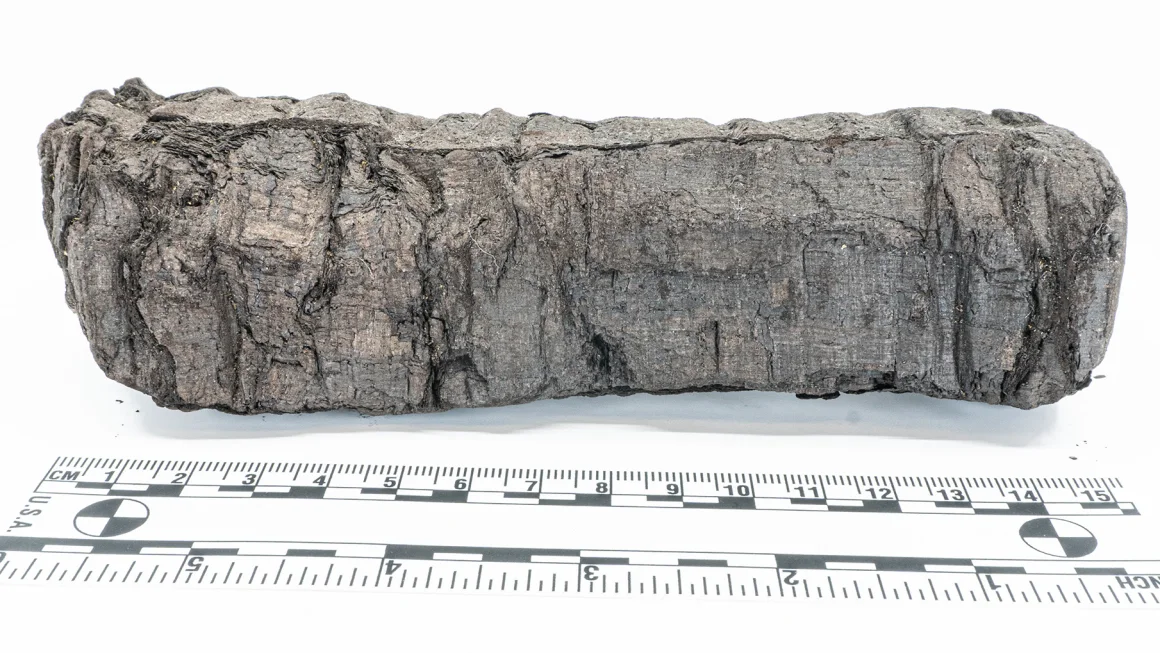
One of the most notable AI-assisted breakthroughs was in the decoding of the Herculaneum scrolls, ancient papyri that survived the eruption of Mount Vesuvius in AD 79. With the help of AI and high-resolution X-rays, researchers have now been able to decipher more than 2,000 characters from these nearly unreadable scrolls. The Vesuvius Challenge, a competition to expedite the deciphering process, has set a goal to unlock 90% of the scrolls by the end of 2024. AI’s ability to virtually flatten the charred scrolls and distinguish ink from carbonized papyri has made this remarkable feat possible, offering unprecedented insights into ancient Rome and Greece.

Another area where AI is making waves is in the study of animal communication. Machine learning has enabled scientists to begin understanding the complex “language” of sperm whales. By analyzing 9,000 click sequences, researchers have identified patterns that resemble human phonetics, such as rhythm, tempo, and ornamentation. While the meaning of these clicks remains elusive, AI’s ability to detect these intricate patterns is opening the door to potential communication with marine mammals. The same techniques are being applied to other species, offering a new way to understand animal languages.

In the field of archaeology, AI is helping to uncover ancient sites in remote and challenging environments. In the Nazca Desert, AI models trained on high-resolution imagery have nearly doubled the number of known geoglyphs in just a few months. While the models are not yet perfect, they hold immense potential for surveying hard-to-reach areas, making AI an indispensable tool for archaeologists. Similarly, AI is aiding in the identification of burial mounds in Mongolia, demonstrating its utility in archaeological research across diverse terrains.

AI is also revolutionizing the understanding of life at the molecular level. The development of AlphaFold by Google DeepMind has accelerated progress in protein structure prediction, solving a long-standing challenge in physical chemistry. This AI tool, now used by millions of researchers, predicts the 3D shapes of proteins from their amino acid sequences, speeding up advancements in biology and medicine. While there are limitations—such as the inability to predict the impact of certain mutations—AlphaFold remains a game-changer in biomedical research.

These examples reflect the growing influence of AI in scientific discovery. From unraveling ancient mysteries to decoding the language of animals and advancing medical research, AI is proving to be a superpower in science. As the field continues to evolve, its potential to solve complex problems and uncover the unknown remains boundless.