Yazılar

Archaeologists Uncover Key Tool That Helped Early Americans Survive the Ice Age

A significant archaeological discovery in Wyoming is shedding light on how early Americans survived the harsh conditions of the last Ice Age. Tiny needle fragments unearthed at the La Prele site in Converse County are revealing how prehistoric people crafted clothing to protect themselves from the cold.

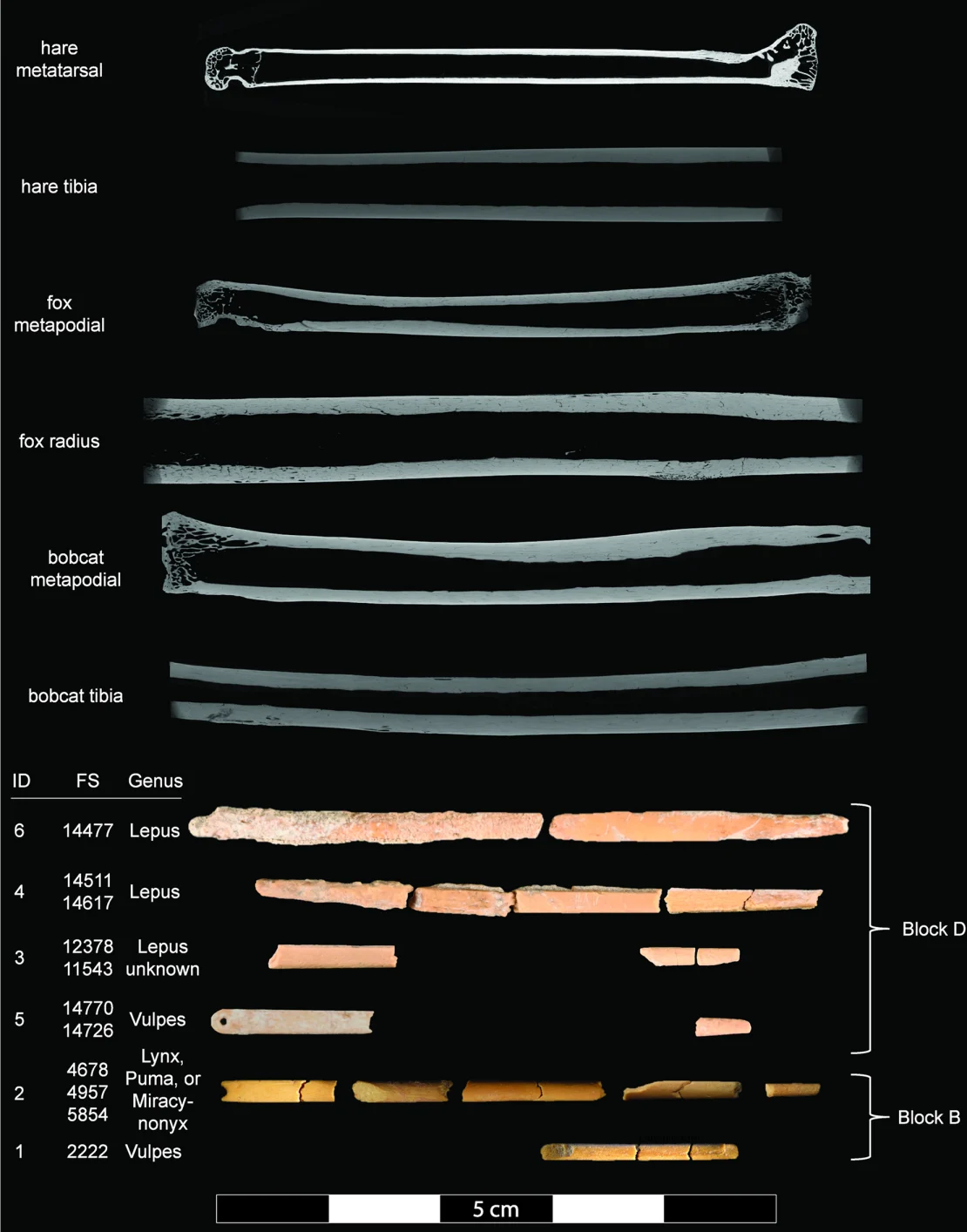
The fragments, 32 in total, were found buried 15 feet underground at the site, which is believed to be where a young mammoth was butchered about 13,000 years ago. While these needles are not the oldest known in North America, the discovery is groundbreaking because scientists have identified the material used to create them. Through a process known as zooarchaeology by mass spectrometry (ZooMS), researchers were able to analyze the bone collagen and determine that the needles were made from the bones of small carnivores such as red foxes, bobcats, mountain lions, lynx, the extinct American cheetah, and hares, rather than the expected bison or mammoth bones.

“We had assumed they would be made out of bison or mammoth bone, which are common at sites of this age, but the results were quite surprising,” said Spencer Pelton, Wyoming state archaeologist and lead author of the study, published in PLOS ONE.

The La Prele site was discovered in 1986, and evidence suggests that prehistoric people either hunted or scavenged a mammoth at the location. Archaeologists believe these individuals were likely from the Clovis culture, one of North America’s earliest known human populations.

Needles Found with Precision Excavation

The discovery of the tiny needles required meticulous excavation. The research team used 1/16th-inch fine mesh to sift through excavated soil, uncovering the artifacts. “Few archaeological sites are excavated with this level of precision, and this may explain why such needles have been missed at other sites,” Pelton explained.

The site dates back to the end of the last Ice Age, when temperatures were significantly colder than today, likely between 5 to 7 degrees Celsius lower. To survive such extreme conditions, early humans would have needed well-crafted, tailored garments with tightly stitched seams for warmth. However, clothing from this period is rarely preserved, making the needles a crucial find in understanding how early Americans adapted to the cold.

“These garments would have been similar to those worn by the historic Inuit, designed to protect against harsh climates,” Pelton said. “This would likely have included fur fringes around the sleeves and hoods, which is why small animals like foxes and hares were trapped.”

Crafting Tailored Garments

Before the invention of needles, humans likely wore looser, draped clothing, held together with pointed tools called awls. The new findings suggest that with the development of needles, early Americans could create more tailored and functional garments. Additionally, the needles enabled the decoration of clothes, with one of the oldest beads made from hare bone discovered at the same site.

For thread, early humans likely used sinew from large mammals, such as bison or mammoths.

Animal Trapping and Hunting Strategies

Because small carnivores like foxes and wild cats are difficult to hunt with traditional tools like spears, it is believed that early humans trapped these animals to obtain bones for needle crafting. While direct evidence of trapping has not yet been found at sites of this age in North America, the use of small carnivores makes sense given their size and the ease of crafting needles from their bones.

Ian Gilligan, an expert in archaeology at the University of Sydney, explained that smaller bones from animals like dogs, cats, and hares are ideal for making needles. “These bones are generally the right size and shape, requiring minimal work to turn them into needles,” he said. “For hunter-gatherers, crafting needles is time-consuming, so using small, readily available bones made the process more efficient.”

A Major Technological Innovation

The ability to create tailored clothing was a critical survival advantage for early humans, enabling them to expand into colder regions previously uninhabitable due to the threat of hypothermia. The development of needles marked a significant leap in human innovation and is considered one of the major factors that allowed humans to populate regions like northern Siberia and cross the land bridge into North America.

“Without the ability to make tailored clothes, humans could never have moved into these colder regions,” Gilligan noted. “Needles allowed for better protection from the cold, offering more effective insulation and better protection from the wind.”

The discovery adds to growing evidence that clothing, rather than food acquisition, may have driven some of humanity’s most important technological innovations. The invention of needles stands as a prime example of how early humans adapted to their environment, paving the way for their survival during one of Earth’s harshest climates.
2,600-Year-Old Inscription in Turkey Decoded: What It Reveals

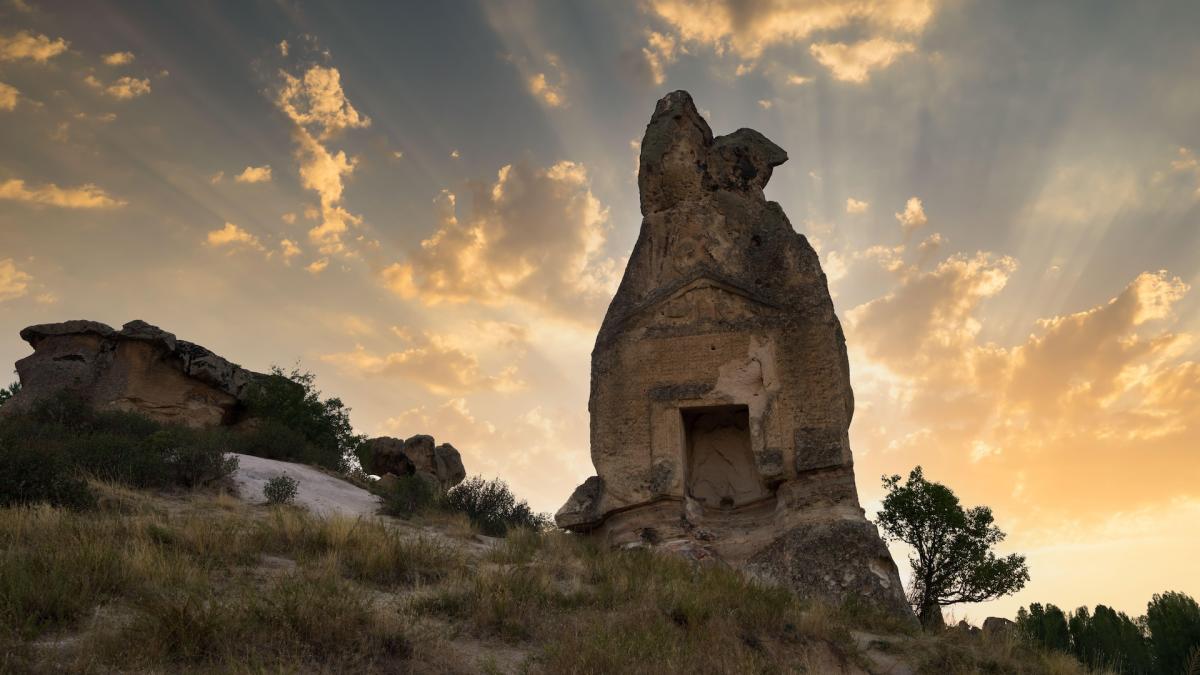
A 2,600-year-old inscription carved into the Arslan Kaya monument in Turkey has finally been deciphered, revealing significant insights into ancient religious practices. The research, led by Professor Mark Munn of Pennsylvania State University, confirms that the inscription contains references to Materan, a goddess revered by the Phrygians, who flourished in the region from 1200 to 600 B.C. Despite enduring centuries of weathering and damage from looting, the inscription sheds new light on the spiritual beliefs of this ancient civilization. Materan, often referred to simply as “the Mother,” was central to Phrygian religious life.

The Arslan Kaya monument, which stands as a testament to Phrygian art and culture, is adorned with depictions of lions and sphinxes, symbols of strength and protection. These symbols are commonly associated with the gods and goddesses worshipped by the Phrygians. The deciphered inscription, which appears alongside an image of Materan, confirms her prominence within the society. Materan’s significance extended beyond the Phrygians; she was later venerated by the Greeks as the “Mother of the Gods” and by the Romans as “Magna Mater” or “Great Mother.”

During the time the inscription was created, the region was heavily influenced by the Lydian kingdom, which also held Materan in high regard. The inscription may have been part of a larger text that outlined not only the goddess’s importance but also the identity of the commissioning party responsible for the monument. This discovery provides valuable context for understanding the religious and political landscape of the period, revealing the cultural exchanges that took place in the ancient world.

The decipherment of the Arslan Kaya inscription is a remarkable achievement that offers a glimpse into the spiritual life of the Phrygians and their enduring influence on later civilizations. As scholars continue to study this and other ancient texts, new layers of understanding will emerge about the shared religious and cultural traditions that connected the ancient peoples of the Near East.

Fossilized Footprints Reveal Ancient Encounter Between Two Human Species

A remarkable discovery in Kenya has provided rare evidence of two distinct species of ancient humans crossing paths more than 1.5 million years ago. The fossilized footprints, preserved in the mud of a lakeshore, offer a snapshot of a moment in history when Homo erectus and Paranthropus boisei may have shared the same landscape, possibly interacting with each other.

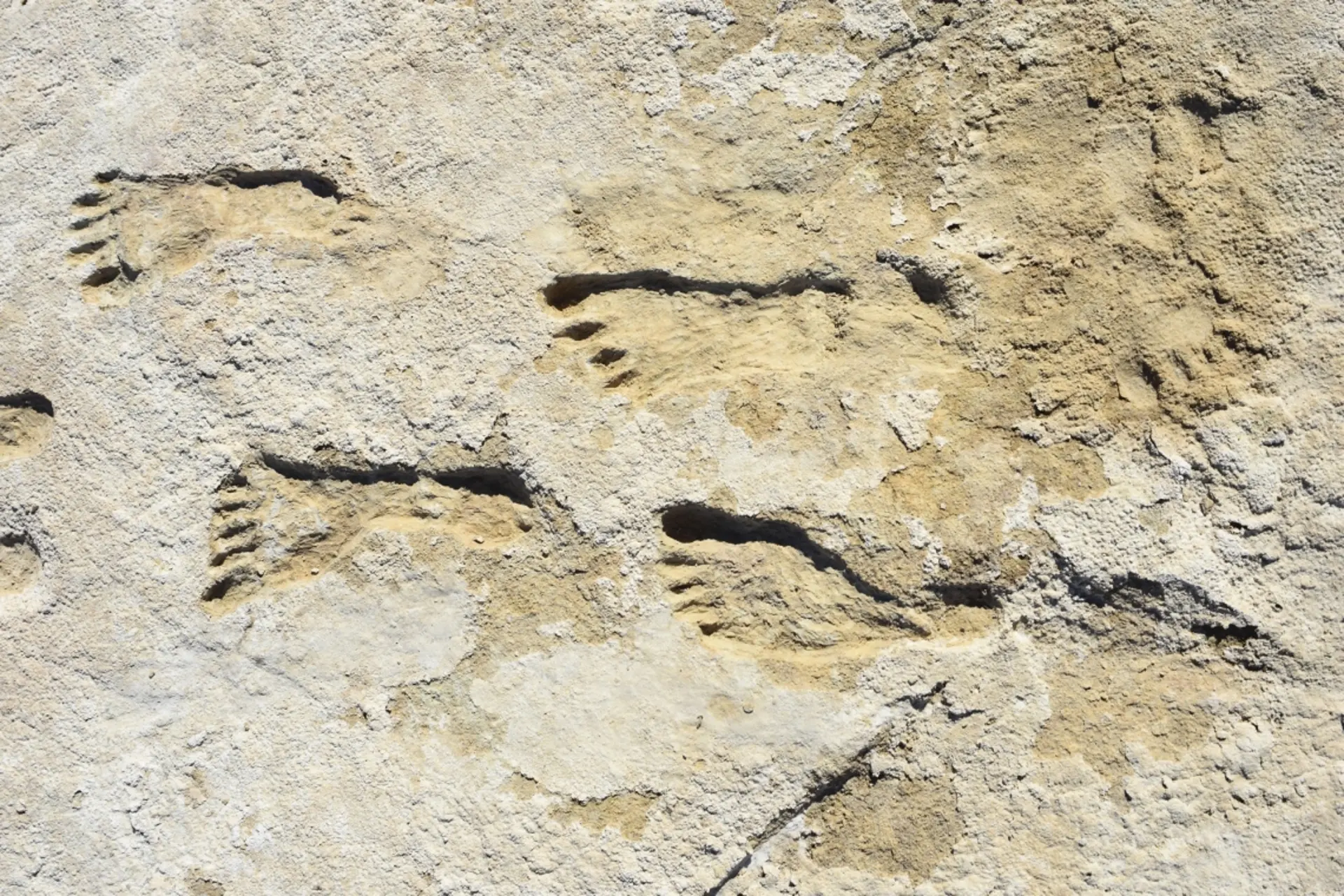
This extraordinary find, published in the journal Science, was made at Koobi Fora, located on the eastern shore of Lake Turkana. The discovery was made during excavations in 2021 and 2022, where researchers unearthed 23 square meters (248 square feet) of sediment containing 11 hominin tracks, alongside tracks of large birds and other animals. Among these footprints, one trackway of 12 footprints stood out, suggesting it was made by a single individual walking at a steady pace through the mud.

Kevin Hatala, an associate professor of biology at Chatham University and lead author of the study, remarked on the surprising nature of the find. “It’s remarkable that two similarly sized, large-bodied hominin species coexisted in the same environment,” Hatala said. “They were likely aware of each other and could have interacted.”

The Discovery and Preservation of Footprints

The first footprint was discovered in July 2021, and after initial excavation, the site was carefully reburied to preserve its integrity. Further excavation the following year uncovered additional tracks, providing clear evidence of hominin activity at the site. The footprints were found to be unusually well-preserved, likely due to the soft, fine mud and sediment that covered them shortly after they were made. The lack of cracking or erosion suggests that the tracks were imprinted within hours or a few days of one another.

Despite not being able to directly date the footprints, the researchers were able to date the layers of volcanic ash found nearby, which were determined to be approximately 1.52 million years old. This places the footprints in a similar time frame.

Hominin Species Identified

Through detailed analysis of the footprints, the researchers identified that the tracks were made by two different species of hominins: the larger-bodied Homo erectus and the smaller-brained Paranthropus boisei. The long trackway with 12 footprints is believed to have been made by a member of P. boisei, while three scattered footprints were attributed to Homo erectus.

Hatala, who is an expert in foot anatomy, conducted a detailed comparison of the prints with those of modern humans and other ancient hominin species. The results revealed distinct patterns in gait, stance, and motion, allowing him to differentiate between the two species. While the Homo erectus footprints closely resembled those of modern humans, the P. boisei tracks displayed a different pattern, likely due to the species’ distinct anatomy and diet.

A Rare Glimpse into Ancient Interactions

The footprints provide a rare glimpse into a period when Homo erectus and Paranthropus boisei may have shared a habitat. Hatala suggested that the two species coexisted in the same area for an extended period—possibly over 100,000 years—with little evidence of direct competition. Instead of driving each other away, the species may have adapted to share the same resources, navigating a landscape populated by dangerous animals such as crocodiles and hippos.

This discovery adds to the growing body of evidence that early human species were capable of living in close proximity without necessarily competing for the same resources. “This find offers the first physical proof that different hominin species overlapped in the same time and space, possibly avoiding each other or coexisting peacefully,” Hatala explained.