Yazılar

Solar Storm Creates Stunning Northern Lights Display Across the Western Hemisphere on New Year’s Eve

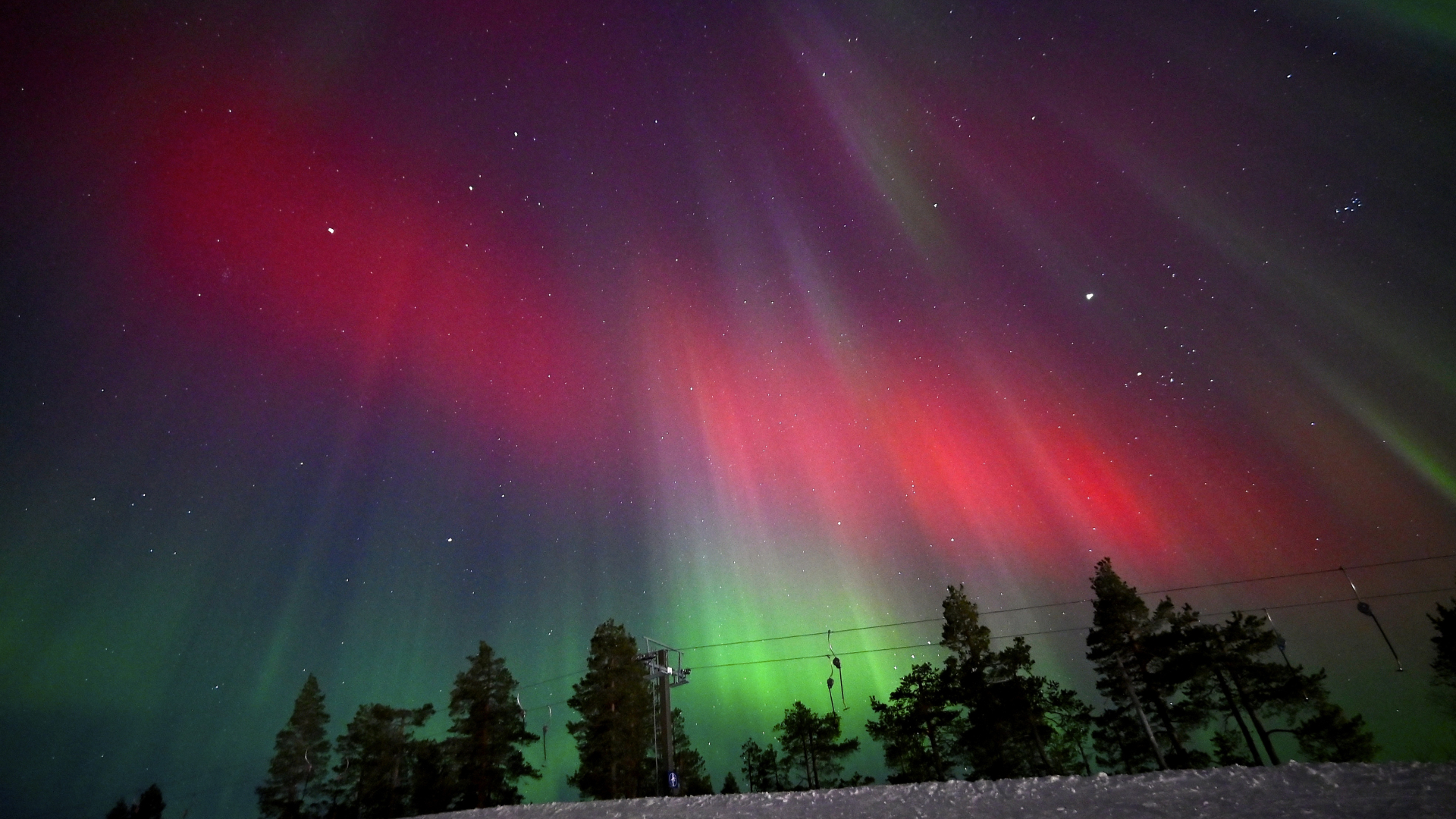
A stunning display of the northern lights illuminated the night skies as the world welcomed the New Year. This breathtaking auroral event, triggered by powerful solar storms, captivated observers from the central United States to Europe. The vibrant ribbons and pillars of green and red light painted the skies, with the aurora visible as far south as California in the United States and Austria and Germany in Europe. The spectacle lasted into the early hours of January 1, drawing stargazers and photographers eager to capture the celestial show.

The spectacular display was a result of intense geomagnetic activity caused by solar storms on New Year’s Eve. The solar events, linked to coronal mass ejections (CMEs) from the Sun, collided with Earth’s magnetic field, producing the auroral phenomenon. These CMEs released high-energy particles that traveled toward Earth, triggering geomagnetic storms. According to the National Oceanic and Atmospheric Administration (NOAA), the storms began at a G1-level intensity but intensified to G3-level disturbances by January 1, making the northern lights more visible across various regions.

The interaction between the solar particles and Earth’s magnetosphere caused atmospheric gases to ionize, releasing energy in the form of light. This energy emitted as colorful glows in the sky, with green and red being the most prominent hues in the northern lights. While this phenomenon, known as the aurora borealis, typically occurs in the Northern Hemisphere, a similar light show, called the aurora australis, can be seen in the Southern Hemisphere.

This celestial event served as a reminder of the dynamic relationship between the Earth and the Sun. While such solar storms can sometimes disrupt satellite communication or power grids, their ability to create awe-inspiring natural light displays is a beautiful byproduct of solar activity. As scientists continue to study these phenomena, public interest in space weather and its effects on Earth only grows, with events like the New Year’s Eve aurora offering a visual spectacle for people around the world.
New Discovery of PDS 70b’s Unusual Chemistry Shakes Up Planet Formation Theories

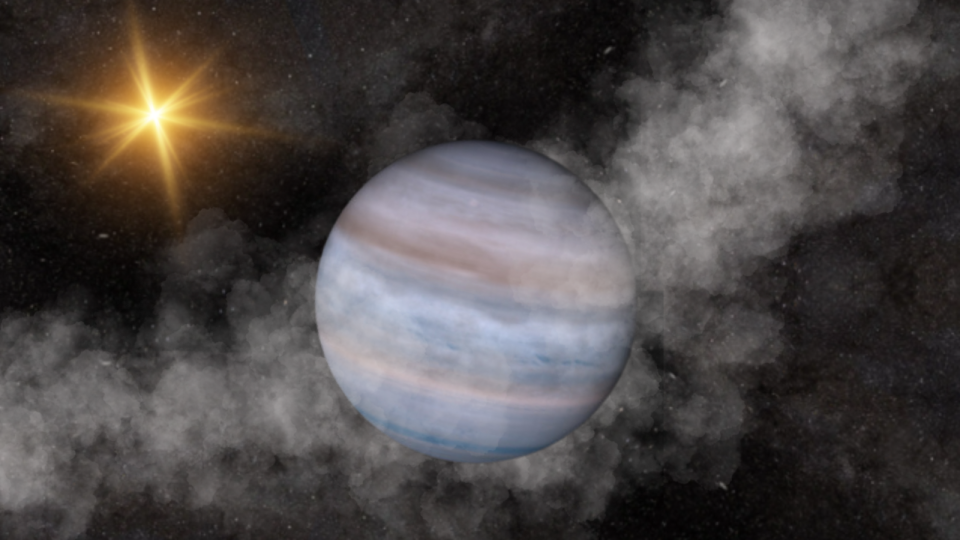
Recent research on PDS 70b, a young exoplanet situated about 400 light-years away in the Centaurus constellation, has prompted a reevaluation of our current understanding of planet formation. In a study published in Astrophysical Journal Letters, astronomers discovered a significant chemical mismatch between the planet’s atmosphere and the protoplanetary disk it formed from. This finding challenges the conventional models of how planets develop their mass and chemical composition over time, suggesting that our theories may need substantial revision.

PDS 70b, a gas giant nearly three times the size of Jupiter, resides in a two-planet system orbiting its host star at a distance comparable to Uranus’s orbit in our solar system. Researchers believe the planet has been in the process of accumulating material for around 5 million years, possibly nearing the final stages of its formation. Observations made with the Keck II telescope in Hawaii allowed scientists to analyze the planet’s atmosphere, looking for key elements like carbon monoxide and water vapor. These elements are vital in determining the planet’s chemical makeup and provide insights into how it came to be.

The research revealed a surprising discrepancy in the levels of carbon and oxygen in PDS 70b’s atmosphere, which were significantly lower than what current models would predict. This unexpected result has led to questions about the accuracy of existing theories. Dr. Chih-Chun Hsu, a postdoctoral researcher at Northwestern University and the study’s lead author, emphasized that the findings suggest the existing models might be oversimplified, overlooking crucial factors in planetary formation processes.

The discrepancy in PDS 70b’s chemical composition could have broad implications for the field of planetary science. It challenges the way scientists understand the processes that govern planet formation, particularly the mechanisms by which a planet gathers and incorporates elements from its surrounding environment. This new research opens up exciting possibilities for future investigations into planetary systems, especially those that are still in the early stages of development, and could lead to revised models that better account for the complexities of planet formation.

Recent Space Research Sheds Light on Chiron’s Unique Surface and Coma

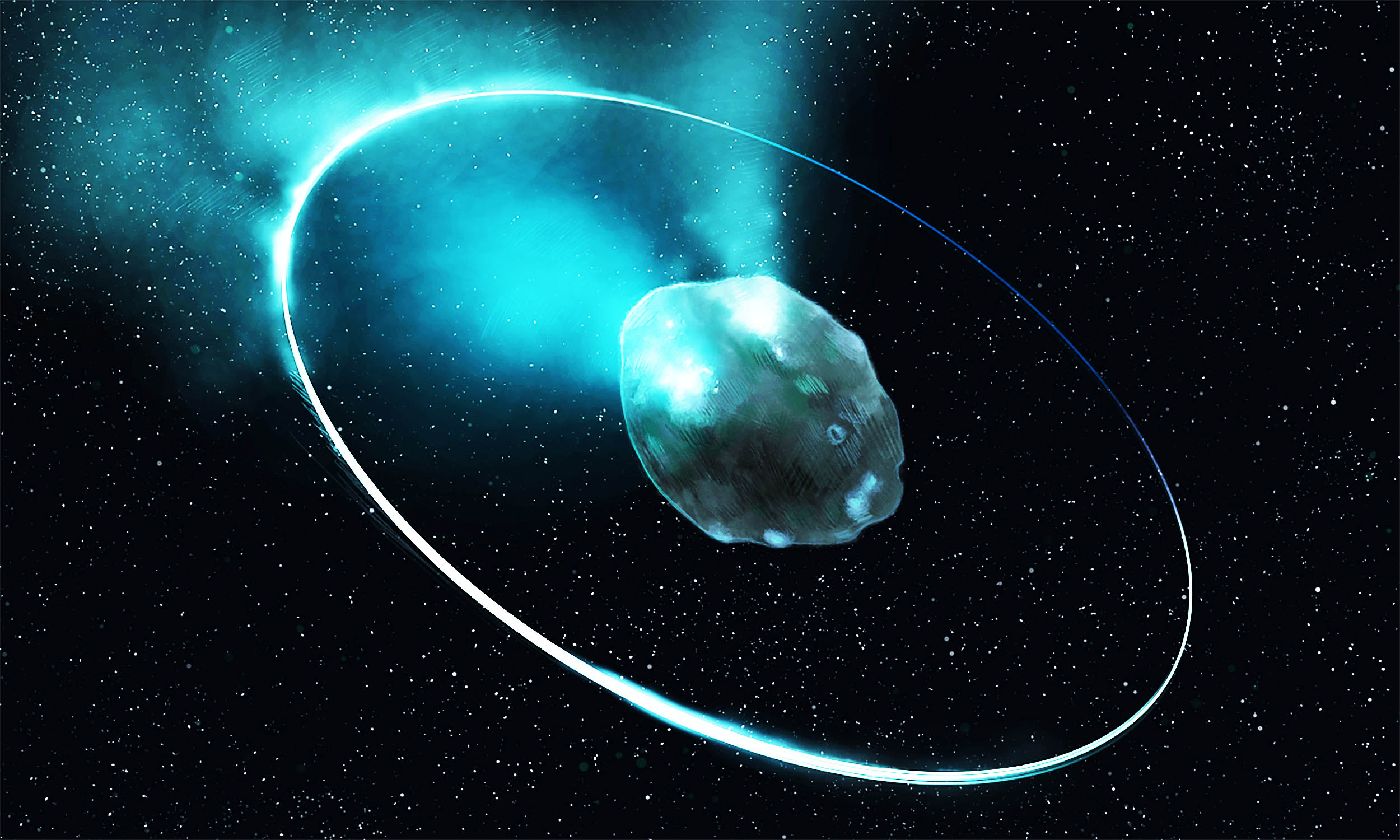
Researchers have recently turned their focus on (2060) Chiron, a celestial object that orbits between Jupiter and Neptune, unveiling new details about its unusual surface and the composition of its coma. A study published in Astronomy & Astrophysics classifies Chiron as a centaur, a category of celestial body that shares characteristics of both asteroids and comets. The James Webb Space Telescope provided critical data on Chiron’s surface, detecting carbon dioxide and carbon monoxide ice, as well as methane and carbon dioxide gases in its coma. This discovery offers valuable insights into the early history and evolution of our solar system, according to the research team from the University of Central Florida (UCF).

Chiron’s surface and coma are unique compared to other celestial bodies, largely due to the presence of volatile ices and gases. Dr. Noemí Pinilla-Alonso, an Associate Scientist at UCF’s Florida Space Institute and the lead researcher, emphasized the importance of these features. She explained that the presence of volatile materials sets Chiron apart from other centaurs, which often undergo active transformations due to solar heating. These changes allow scientists to study how Chiron’s surface composition evolves and how these transformations provide insights into the object’s behavior. The coma, a gaseous envelope surrounding the surface, is particularly important as it gives researchers a direct view of gases originating from beneath the surface—something that is not as easily observed in typical asteroids or trans-Neptunian objects.

The study of Chiron’s surface and coma not only deepens our understanding of this unique centaur but also has broader implications for understanding the dynamics of the solar system. Dr. Charles Schambeau, an Assistant Scientist at UCF with expertise in centaurs and comets, pointed out that Chiron’s unique activity and its potential for debris rings make it a fascinating case. By investigating the interaction between Chiron’s surface ices and its coma gases, researchers hope to uncover thermophysical processes that could explain the behavior of other similar celestial bodies in our solar system.

Chiron’s combination of asteroid-like and comet-like features makes it a crucial subject of study for those looking to understand the fundamental processes that govern the evolution of the solar system. This research highlights how centaurs, with their complex mixtures of ice and gas, can provide valuable clues about the conditions and transformations that shaped early planetary bodies. As more data is collected from missions and observations, scientists expect to further unravel the mysteries surrounding these enigmatic objects, offering a window into the past and future of our cosmic neighborhood.