Yazılar

Quad Expands Maritime Security Cooperation at Biden’s Final Summit

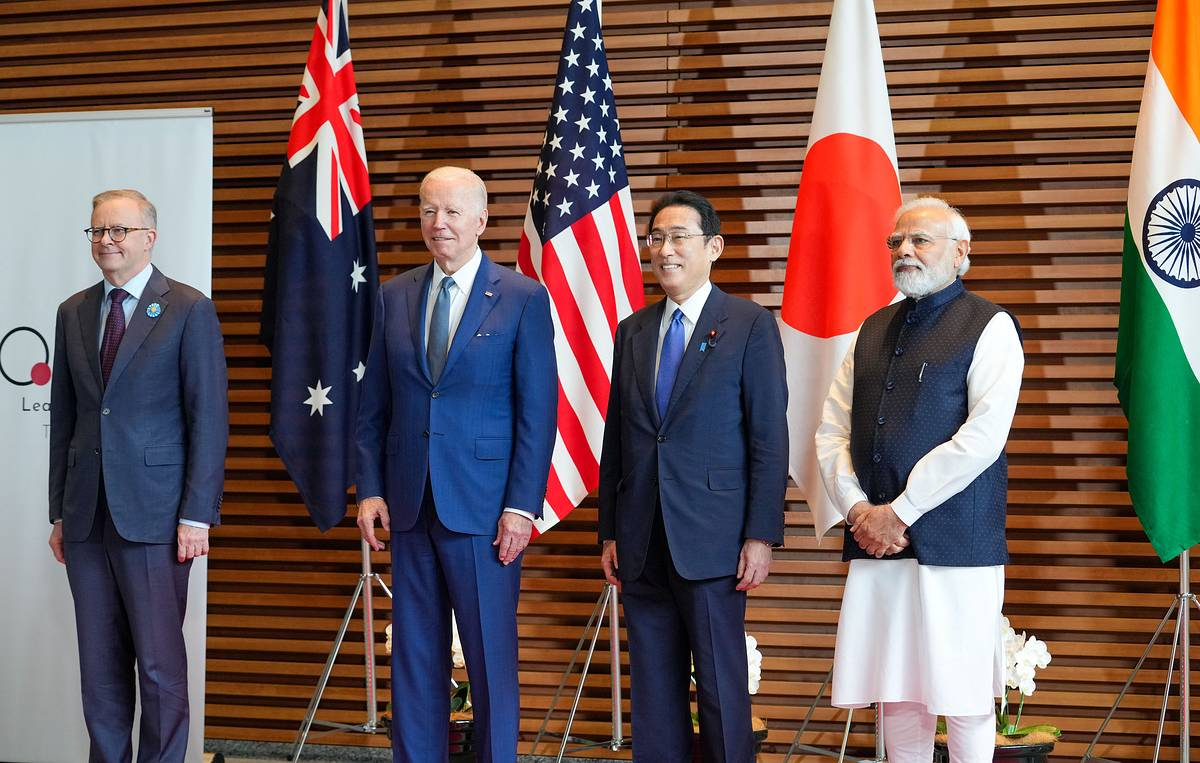
Leaders of the Quad nations—Australia, India, Japan, and the United States—strengthened joint security measures in the strategically vital Indo-Pacific region during U.S. President Joe Biden’s final summit as president. The meeting, held near Biden’s Delaware hometown on Saturday, focused on maritime cooperation, reflecting shared concerns over China’s assertiveness in Asia’s waters.

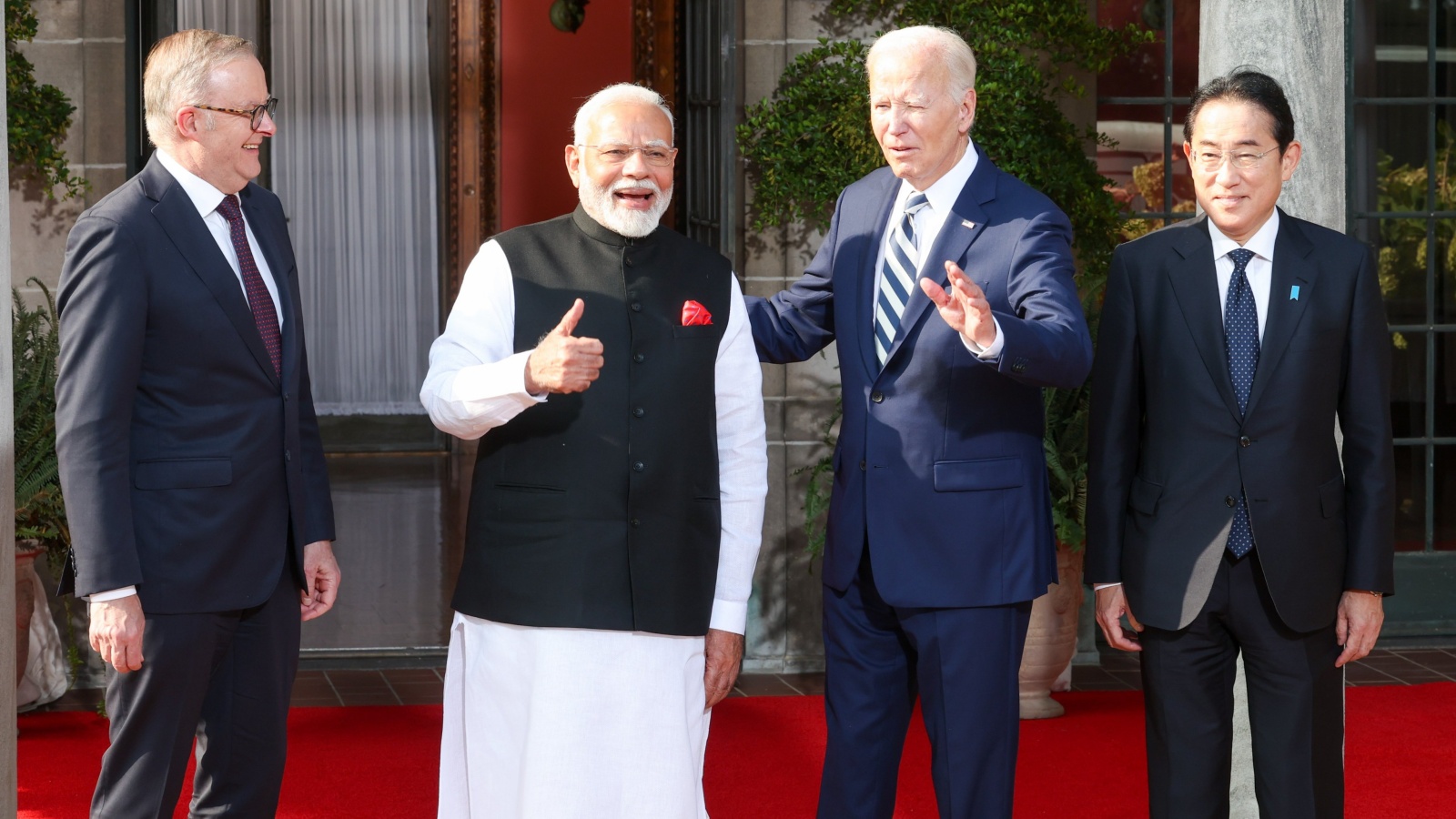
Biden, alongside Japanese Prime Minister Fumio Kishida, Indian Prime Minister Narendra Modi, and Australian Prime Minister Anthony Albanese, highlighted the importance of maintaining the Quad partnership, which he considers a key foreign policy success of his presidency. The group announced plans for joint coast guard operations next year, with Australian, Japanese, and Indian personnel set to work aboard a U.S. coast guard vessel. Enhanced military logistics cooperation was also discussed, although the exact locations of these operations were not specified.

The leaders plan to expand the Indo-Pacific Partnership for Maritime Domain Awareness, initially launched two years ago. This move signals a shift in the Quad’s focus toward security, a response to increasing concerns about China’s influence in the region. In their joint statement, the leaders condemned “coercive and intimidating maneuvers” in the South China Sea, although they avoided directly naming China. Analysts believe the Quad’s maritime initiatives send a clear message to Beijing, which views the Quad as an attempt to encircle China and increase regional tensions.
Picture background

Biden acknowledged that while China may be adjusting its tactics, its strategy remains unchanged, continuing to challenge the U.S. in the South and East China Seas and the Taiwan Strait. He suggested that Chinese President Xi Jinping is prioritizing domestic economic issues while seeking diplomatic space to advance China’s interests.

China claims nearly the entire South China Sea, overlapping with territories claimed by the Philippines, Brunei, Malaysia, and Vietnam, as well as contested areas in the East China Sea with Japan and Taiwan. The Quad leaders also took a firm stance on North Korea, condemning its missile launches and “malicious cyber activity,” while expressing concern over Russian support for North Korea.

In addition to security, the Quad is expanding its efforts in critical technologies, including an open radio access network, to benefit the Pacific Islands and Southeast Asia—regions where competition with China is intensifying. A new health initiative aimed at combating cervical cancer was also announced.

India, which has traditionally been cautious about military alliances, is reportedly becoming more open to Quad security cooperation in light of China’s recent maritime actions. Lisa Curtis, an Asia policy expert, suggested that India’s stance on the Quad’s military role could be evolving due to these increasing tensions.

Biden’s hosting of the summit is seen as part of an effort to institutionalize the Quad as a lasting framework, especially as leadership transitions approach in Japan, Australia, and the U.S. Asked about the Quad’s future, Biden confidently declared the group “here to stay.”

Australian Prime Minister Albanese praised the Quad’s joint coast guard initiative, emphasizing the importance of interoperability between the four nations. Before the summit, Albanese met with Biden at his home to discuss defense and security cooperation, particularly in the Indo-Pacific.

Since its elevation to a leader-level group in 2021 under Biden, the Quad has enjoyed bipartisan support in the U.S., exemplified by the formation of a congressional Quad Caucus ahead of the summit.

 

New Zealand Faces Record Emigration Amid Deepening Cost-of-Living Crisis

New Zealand, once hailed as a picturesque haven, is grappling with an unprecedented outflow of its citizens, driven by a severe cost-of-living crisis. In the year ending June 2024, a record 131,200 people left the country, with around 80,200 being citizens—an increase of nearly 70% compared to pre-pandemic levels. The exodus is fueled by high living costs, steep interest rates, and rising unemployment, prompting many, like fashion retail manager Wilson Ong, to seek better opportunities abroad. The economic challenges have been compounded by a sluggish recovery from the pandemic, which has heightened demand for overseas experiences among younger New Zealanders. Government data shows that over half of the emigrants were aged 20 to 39, with the highest numbers in the 25 to 29 age group. The economy has been in decline, with job losses affecting the younger workforce, and inflation remains problematic despite a drop from 7.3% in June 2022 to 3.3% in June 2024. Housing affordability remains a critical issue, with mortgage payments consuming between 53% and 57% of income. In contrast, neighboring Australia offers better economic prospects and higher wages, attracting many New Zealanders. Australia’s special visa program and its recruitment drive for Kiwi workers highlight the stark economic disparities between the two nations. Despite efforts to address these issues, such as a recent cut in interest rates by New Zealand’s Reserve Bank, the economic outlook remains bleak, with predictions of worsening conditions before any improvement. The recent shift to a more conservative government has introduced austerity measures, further straining the economy and impacting public and private sector investment.


Couple’s World Tour with Their Dog Ends in Tragedy, but Journey Continues

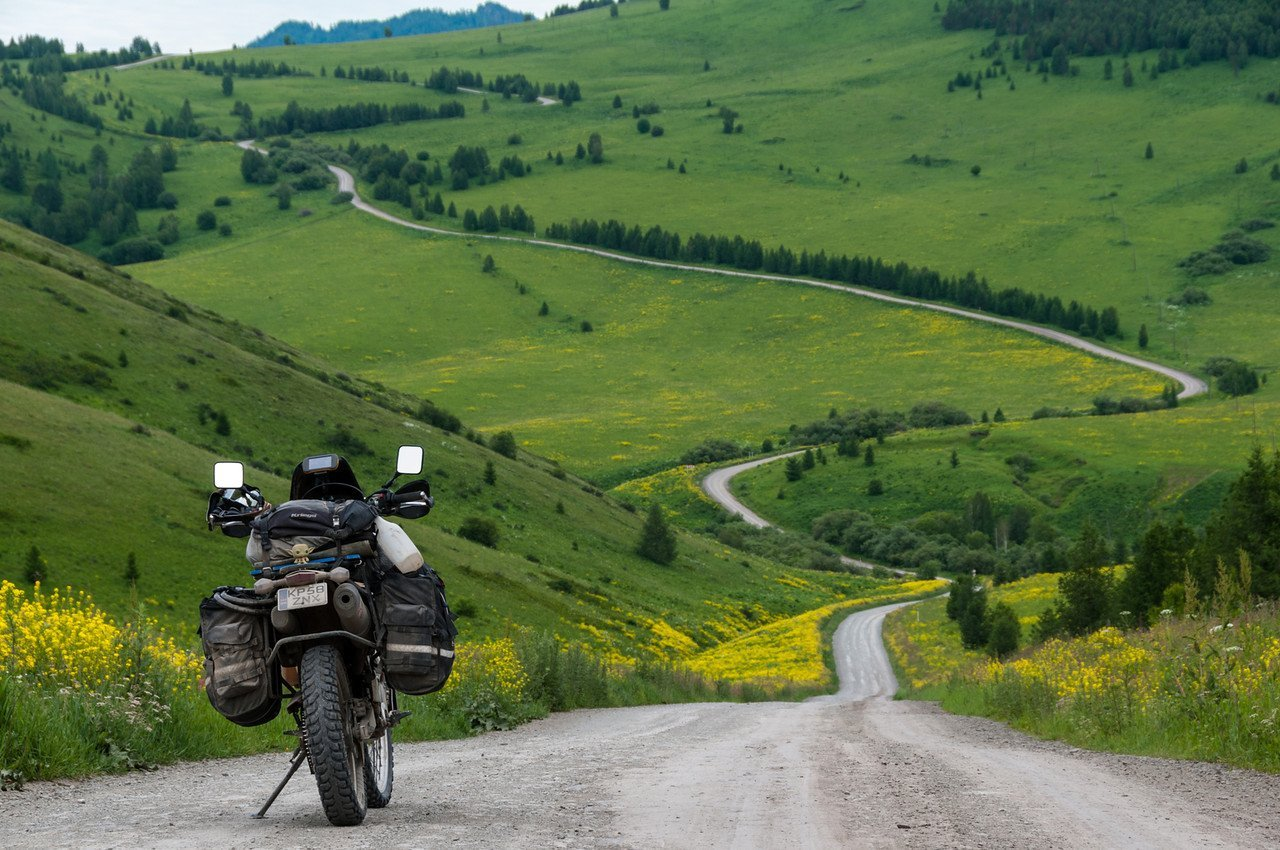
Janell and Stu Clarke, an Australian couple who shared a passion for travel, embarked on an epic motorcycle world tour in 2014, bringing their beloved dog Skyla along. Their love for exploration had been a key topic on their first date in 2004, and after a decade of limited travel, they decided to see the world in one extended trip, driven partly by the high cost of flights from Australia.

In 2009, after Janell obtained her motorbike license, the couple began exploring Australia with their dog Skyla. The dream of a global adventure solidified when Stu, a former Royal Australian Navy engineer, retired in 2014. They initially planned a six-month journey, but this was extended as they prepared for a grand tour that would ultimately last several years.


Picture background

Skyla, however, was diagnosed with cancer just before their departure. Despite this setback, with Skyla undergoing chemotherapy and a bone marrow transplant, the couple was determined to proceed with their journey. They set off from Dallas, Texas, in March 2014, with Skyla comfortably accommodated in a custom dog carrier.

As they traveled through Mexico and Central America, Skyla’s condition worsened. The couple faced the painful reality of Skyla’s declining health as they reached South America. She passed away in Venezuela on September 10, 2014, leaving Janell and Stu devastated. They considered returning to Australia but decided instead to take time to grieve and reflect, hiking in Venezuela as a form of solace.

Determined to continue, they adjusted their travel approach, focusing more on their relationship and taking their journey at a slower pace. They adopted Weeti, a disabled and epileptic mixed breed, in Venezuela, and later rescued Shadow, a miniature pinscher, in Colombia. In Turkey, they took in a third rescue dog, Azra, a puppy with a contagious virus.

Traveling with three dogs brought its own challenges, from finding pet-friendly accommodations to adjusting their pace. Despite the difficulties, the presence of Weeti, Shadow, and Azra provided comfort and joy. The couple continued their journey through South America, Africa, and Europe, encountering various obstacles, including the Covid-19 pandemic which significantly slowed their progress.

Returning to Australia proved to be a complex process involving extended delays, paperwork, and quarantine requirements. They opted to travel through New Zealand to facilitate the dogs’ entry into Australia, spending several months there before finally arriving in the Gold Coast on July 31, 2023.

Since their return, Janell and Stu have enjoyed reconnecting with family and introducing their rescue dogs. They are now waiting to bring their motorbikes back to Australia, ready to share their remarkable journey with others.