Australia Proposes Social Media Ban for Under-16s in Groundbreaking Move to Protect Kids Online
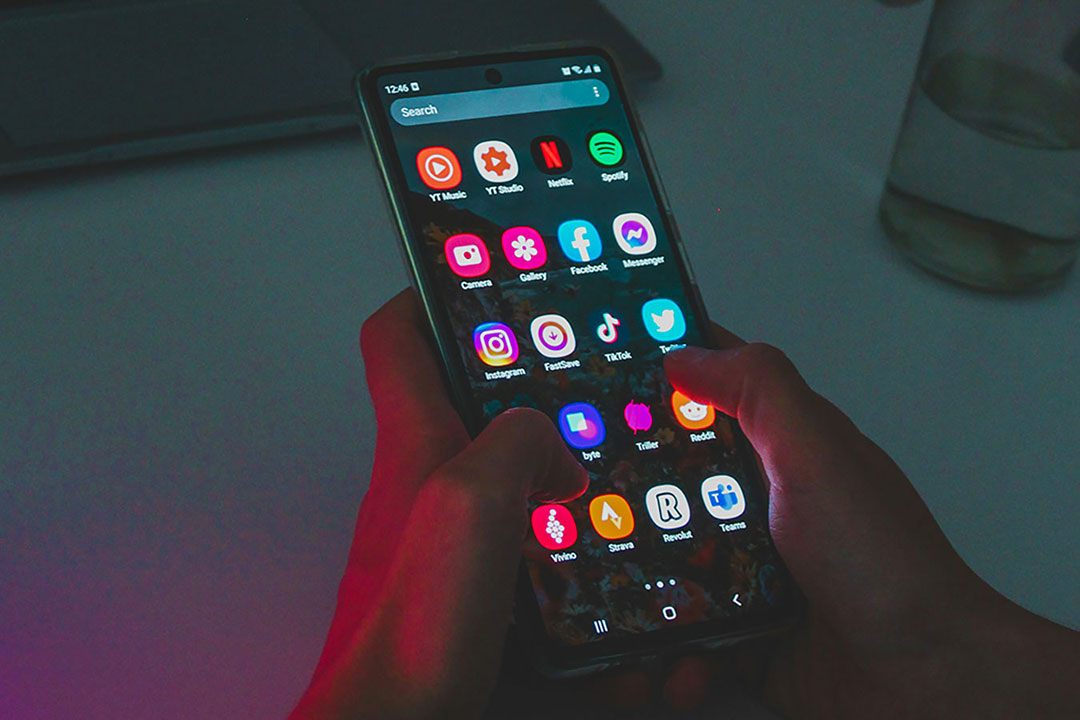
Australia’s government has announced a groundbreaking proposal to ban children under the age of 16 from accessing social media, a move many experts and parents have called “momentous.” Prime Minister Anthony Albanese revealed that this legislation would be introduced into parliament later this year, with plans to enforce the law a year after its approval. The ban will require age verification to block under-16s from using platforms like Instagram, Facebook, TikTok, and X (formerly Twitter).
For years, Australian parents have advocated for more regulation on tech companies, and now, organizations like the Heads Up Alliance, which campaigns against early smartphone use, see this proposal as a victory. Co-founder Dany Elachi stated that while his organization was initially dismissed as “extreme,” this recognition confirms the impact of social media on children. “We refused to give up on our children, and here we are, on the verge of reclaiming childhood after it had been stolen for 15 years,” he expressed.
The proposal places the onus entirely on social media companies to prevent underage access, sparing children and parents from facing penalties. NYU research scientist Zach Rausch praised the initiative as a commonsense approach, likening social media age limits to existing restrictions on driving, smoking, and alcohol use. He sees it as a measure that could position Australia as a global leader in safeguarding children online.
While some parents currently try to limit their children’s social media exposure, organizations like the U.K.-based Smartphone Free Childhood emphasize that the absence of regulation makes this challenging. Daisy Greenwell, co-founder of the group, highlighted the struggles parents face, often without the time or knowledge to navigate complex parental controls. Without regulatory support, peer pressure remains strong, leaving parents feeling unable to tackle the issue alone. Greenwell and others believe that the real responsibility lies with tech companies that design addictive platforms.
Not all reactions have been supportive. DIGI (Digital Industry Group Inc.), an Australian advocacy group for the tech sector, warns that the ban could harm young people’s digital literacy. Sunita Bose, managing director of DIGI, suggested that a total ban is a “20th-century response to 21st-century challenges,” arguing that a balanced approach would help create age-appropriate digital spaces and build valuable online skills.
Bose also expressed concerns that young people might circumvent the ban, leading them to riskier parts of the internet. Using the analogy of teaching kids to “swim between the flags,” she argued that it is safer to guide them in controlled environments rather than banning access altogether.
However, experts like Rausch counter that children can still develop digital skills using platforms that don’t rely on social media’s addictive algorithms, such as Zoom and FaceTime. Greenwell agreed, noting that social media’s user-friendly design means teenagers would quickly adapt once allowed access. In her view, delaying social media use until children are older and more mature allows for healthier development. “We don’t get kids to practice having sex or drinking alcohol before they’re of age,” she pointed out, suggesting that social media could similarly wait until children are 16.
As the world watches, Australia’s proposed law could mark a major shift in how societies globally approach tech use and digital safety for children.