Yazılar

Australia’s Under-16 Social Media Ban Divides Public Opinion

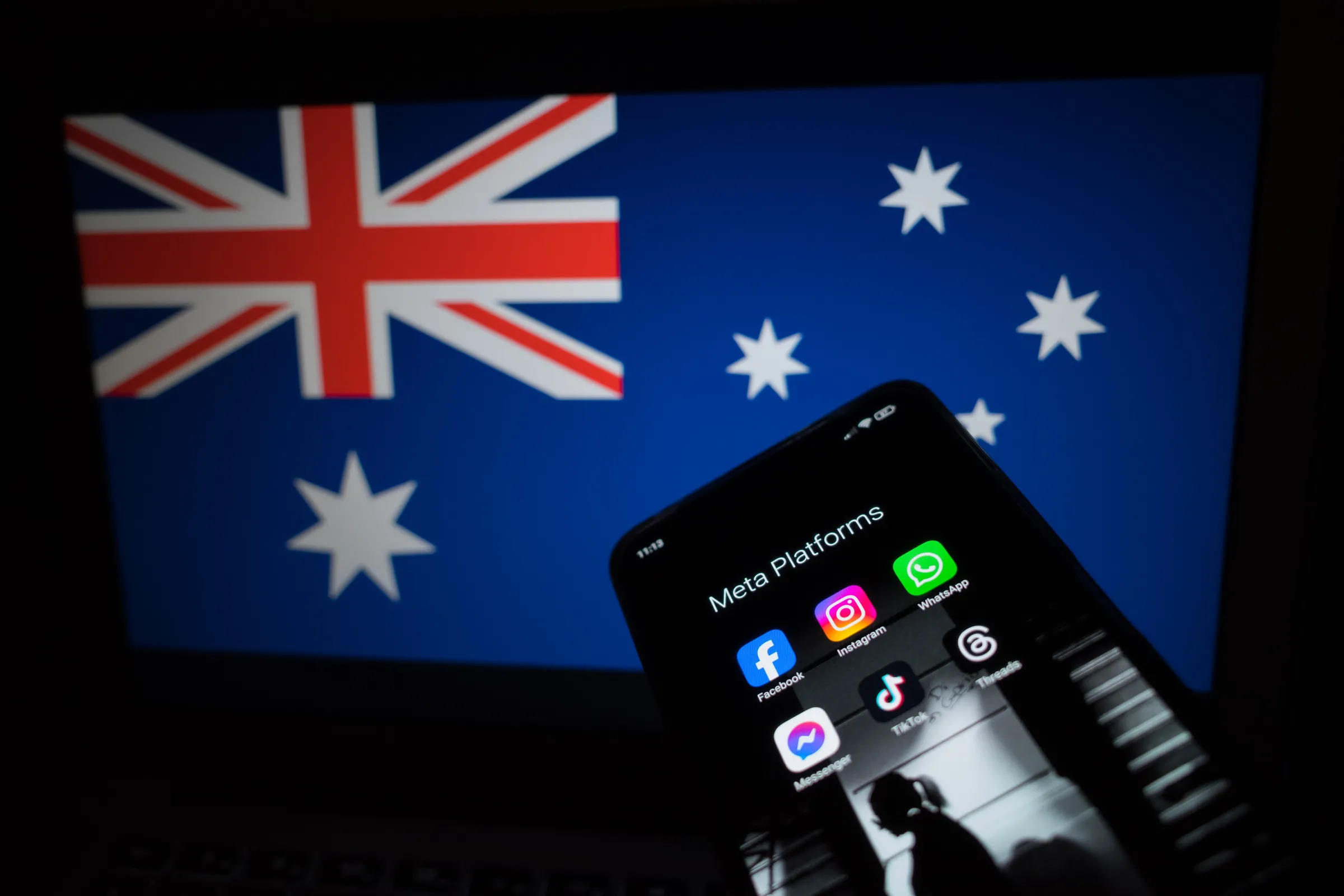
Australia has implemented a groundbreaking social media ban for children under the age of 16, triggering a mix of reactions from citizens, tech companies, and advocacy groups. Announced late Thursday and set for full enforcement by 2025, the law prohibits minors from accessing platforms like Facebook, Instagram, and TikTok, with violators facing fines up to AUD 49.5 million (USD 32 million).

Prime Minister Anthony Albanese defended the move, emphasizing the need to protect children from the physical and mental health risks associated with excessive social media use. He highlighted specific concerns, such as harmful body image portrayals targeting girls and misogynistic content aimed at boys.

“Platforms now have a social responsibility to ensure the safety of our kids,” Albanese stated, adding that the new law enables parents to have “different conversations” about social media use.

Mixed Reactions

Public opinion in Australia is deeply divided. Some, like Sydney resident Francesca Sambas, praised the ban for addressing inappropriate content, saying, “Social media for kids is not really appropriate; sometimes they can look at something they shouldn’t.”

However, others, such as 58-year-old Shon Klose, criticized the government’s decision as authoritarian. “This government has taken democracy and thrown it out the window,” she said, expressing outrage over the lack of public consultation.

Young users also voiced skepticism, with 11-year-old Emma Wakefield suggesting she would find ways to bypass the restrictions.

Global Comparisons and Implementation Challenges

While other countries, including France and some U.S. states, have introduced laws requiring parental permission for minors to access social media, Australia’s ban is the most stringent to date. A similar law in Florida, banning social media use for children under 14, is currently under legal challenge.

Tech companies, particularly TikTok, have expressed concerns over the policy. A TikTok spokesperson criticized the rushed legislative process, warning that such restrictions could drive young users to “darker corners of the internet.” Advocacy groups and mental health experts have also cautioned against potential unintended consequences.

Albanese defended the timing of the legislation, arguing that early action was necessary to address the harms of cyberbullying and online exploitation. “We know that implementation won’t be perfect, just like alcohol bans for under-18s aren’t foolproof, but it’s the right thing to do,” he said.

Political and International Implications

The bill gained bipartisan support, passing swiftly through parliament alongside 30 other pieces of legislation on its final sitting day of the year. Critics have called out the lack of debate, with some lawmakers accusing the government of undermining democratic scrutiny.

Internationally, the law could strain ties with the U.S., where tech mogul Elon Musk, a prominent figure in President-elect Donald Trump’s circle, suggested the ban could pave the way for broader internet censorship in Australia.

This latest move adds to Australia’s history of regulatory clashes with tech giants. The country was the first to mandate payments from social media companies to news outlets and is preparing additional penalties for platforms failing to combat online scams.
 

Meta Argues App Stores Should Enforce Australia’s Social Media Ban for Users Under 16

Australia is moving forward with a controversial plan to ban social media access for individuals under the age of 16, despite opposition from major tech companies, including Meta Platforms. Meta has argued that the responsibility for enforcing this age restriction should fall to app store operators, such as Google and Apple, rather than social media platforms themselves. This suggestion has been met with resistance from Australian officials, who have emphasized the importance of taking direct action to protect younger users from potential harm online.

Prime Minister Anthony Albanese announced on Friday that all state and territory leaders had agreed to the age restriction plan. Under the new framework, there will be no exceptions for popular social media platforms such as Facebook, TikTok, or X (formerly known as Twitter). This comprehensive approach signals Australia’s firm stance on regulating digital spaces to safeguard minors, as part of broader efforts to combat online harms and ensure that younger users are not exposed to inappropriate content.

The legislation is expected to be introduced to parliament during the week beginning November 18, with a 12-month period between the bill’s passage and its enforcement. However, key details remain unclear, particularly regarding how users will be required to prove their age on social media platforms. The government has not disclosed the exact methods for verifying age or what personal data will be needed, leaving room for debate on privacy and security concerns. Additionally, there is no clear outline of what penalties firms could face if they fail to comply with the new law.

While the Australian government moves forward with these plans, there is still uncertainty about the broader implications for the social media industry. The lack of a clear definition of which platforms will fall under the new rules leaves room for ambiguity, and companies will likely seek clarification as the bill progresses. As the debate continues, the proposed age restrictions highlight the ongoing tension between tech companies, governments, and the public over how best to balance user safety, privacy, and access to digital platforms

Australia Proposes Social Media Ban for Under-16s in Groundbreaking Move to Protect Kids Online

Australia’s government has announced a groundbreaking proposal to ban children under the age of 16 from accessing social media, a move many experts and parents have called “momentous.” Prime Minister Anthony Albanese revealed that this legislation would be introduced into parliament later this year, with plans to enforce the law a year after its approval. The ban will require age verification to block under-16s from using platforms like Instagram, Facebook, TikTok, and X (formerly Twitter).

For years, Australian parents have advocated for more regulation on tech companies, and now, organizations like the Heads Up Alliance, which campaigns against early smartphone use, see this proposal as a victory. Co-founder Dany Elachi stated that while his organization was initially dismissed as “extreme,” this recognition confirms the impact of social media on children. “We refused to give up on our children, and here we are, on the verge of reclaiming childhood after it had been stolen for 15 years,” he expressed.

The proposal places the onus entirely on social media companies to prevent underage access, sparing children and parents from facing penalties. NYU research scientist Zach Rausch praised the initiative as a commonsense approach, likening social media age limits to existing restrictions on driving, smoking, and alcohol use. He sees it as a measure that could position Australia as a global leader in safeguarding children online.

While some parents currently try to limit their children’s social media exposure, organizations like the U.K.-based Smartphone Free Childhood emphasize that the absence of regulation makes this challenging. Daisy Greenwell, co-founder of the group, highlighted the struggles parents face, often without the time or knowledge to navigate complex parental controls. Without regulatory support, peer pressure remains strong, leaving parents feeling unable to tackle the issue alone. Greenwell and others believe that the real responsibility lies with tech companies that design addictive platforms.

Not all reactions have been supportive. DIGI (Digital Industry Group Inc.), an Australian advocacy group for the tech sector, warns that the ban could harm young people’s digital literacy. Sunita Bose, managing director of DIGI, suggested that a total ban is a “20th-century response to 21st-century challenges,” arguing that a balanced approach would help create age-appropriate digital spaces and build valuable online skills.

Bose also expressed concerns that young people might circumvent the ban, leading them to riskier parts of the internet. Using the analogy of teaching kids to “swim between the flags,” she argued that it is safer to guide them in controlled environments rather than banning access altogether.

However, experts like Rausch counter that children can still develop digital skills using platforms that don’t rely on social media’s addictive algorithms, such as Zoom and FaceTime. Greenwell agreed, noting that social media’s user-friendly design means teenagers would quickly adapt once allowed access. In her view, delaying social media use until children are older and more mature allows for healthier development. “We don’t get kids to practice having sex or drinking alcohol before they’re of age,” she pointed out, suggesting that social media could similarly wait until children are 16.

As the world watches, Australia’s proposed law could mark a major shift in how societies globally approach tech use and digital safety for children.