Yazılar

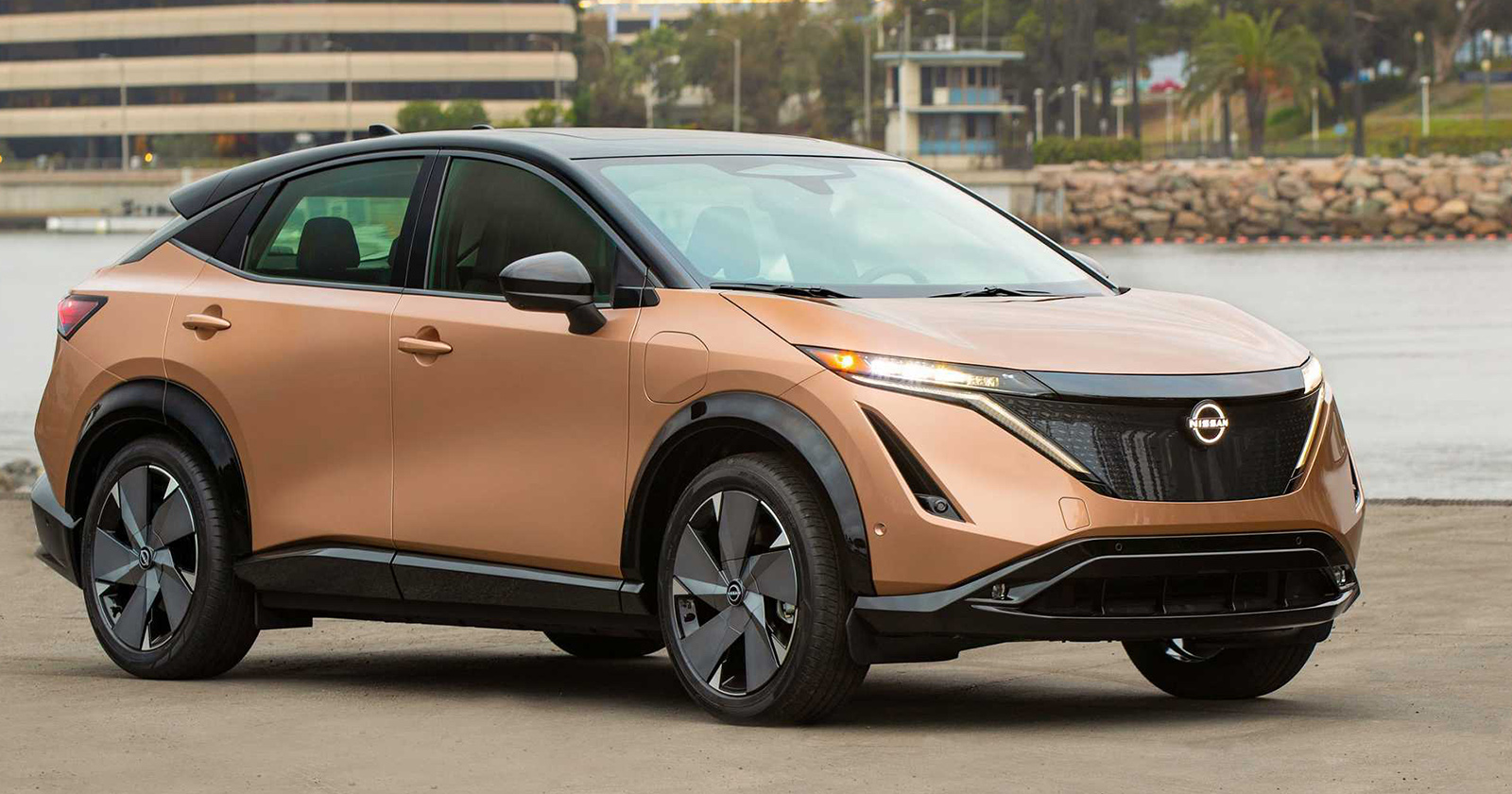
Nissan tests Wayve-powered assisted driving system for Japan launch in 2027

Nissan Motor announced on Monday that it has begun testing a new driver-assistance system developed in partnership with UK startup Wayve, with a commercial launch in Japan planned for the 2027 financial year.

The system was recently demonstrated in Tokyo using Nissan Ariya electric vehicles, which showcased advanced collision avoidance features tailored for busy urban environments. Unlike highways, city driving poses unique challenges due to pedestrians, parked cars, and delivery traffic.

The prototype vehicles are equipped with a powerful sensor suite:

  • 11 cameras

  • 5 radars

  • 1 lidar sensor

This setup enables Level 2 autonomous driving, meaning the system can handle steering, acceleration, and braking, but requires drivers to keep their hands on the wheel and be ready to intervene.

Wayve, backed by SoftBank and Nvidia, specializes in AI-driven self-learning systems for autonomous driving and recently opened a testing and development centre in Japan.

Nissan has been gradually advancing its driver-assist technology since launching ProPilot in 2016, followed by an upgraded version in 2019 that focused on highway driving. The new collaboration with Wayve represents Nissan’s push to bring advanced autonomy into complex urban environments.

Nvidia eyes $500 million investment in UK self-driving startup Wayve

Nvidia has signed a letter of intent to invest $500 million in Wayve, a London-based autonomous driving technology company, during its next funding round, Wayve confirmed Thursday. The move underscores Nvidia’s growing push into self-driving and follows a broader U.S.-UK technology pact to deepen cooperation in artificial intelligence.

Founded in 2017, Wayve has developed a machine-learning approach to autonomous driving that differs from conventional systems. Instead of relying heavily on pre-mapped roads, its AI learns directly from traffic patterns and human driver behavior using vehicles equipped with camera sensors.

Wayve raised over $1 billion in 2023, led by SoftBank with backing from Nvidia, while Uber invested separately in 2024. Its autonomous driving platforms already use Nvidia chips, linking its growth to the broader global AI hardware surge.

The company operates in both the UK and U.S., while expanding testing into markets such as Germany and Japan. Nvidia’s latest move comes alongside a pledge to invest £2 billion ($2.7 billion) in Britain’s AI startup ecosystem, a signal of its commitment to both mobility technology and the UK’s broader AI ambitions.

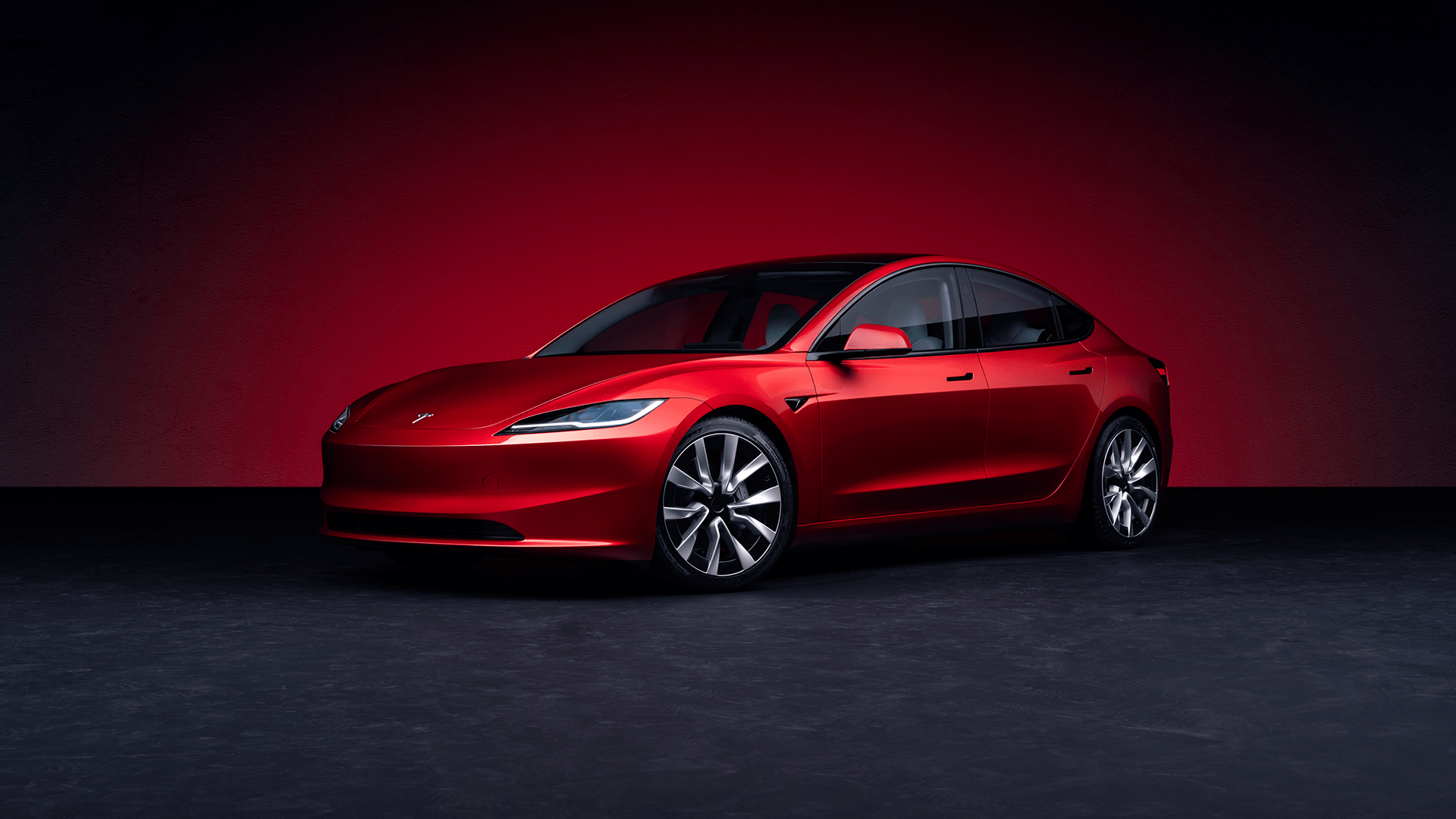
Tesla Refocuses AI Chip Development, Elon Musk Confirms Shift Away from Dojo Supercomputer Team

Tesla CEO Elon Musk announced that the company will streamline its AI chip research to concentrate primarily on developing inference chips designed to run AI models and enable real-time decision-making. This follows reports that Musk ordered the disbandment of the in-house Dojo supercomputer team, with its leader, Peter Bannon, leaving the company.

The Dojo supercomputer, built around custom training chips, was originally created to process vast data from Tesla electric vehicles to train its autonomous driving software. Musk stated on X that it no longer makes sense for Tesla to split resources between two distinct AI chip designs. Instead, all efforts will now focus on Tesla’s AI5, AI6, and subsequent chips, which are optimized for inference tasks and still capable of training AI models effectively.

Analysts, including Morgan Stanley’s Adam Jonas, had previously valued the Dojo supercomputer at $500 billion in 2023, viewing it as a key growth driver for Tesla beyond vehicle sales, comparable to Amazon’s cloud business. It remains unclear how this restructuring will impact Tesla’s valuation.

Industry-wide, tech companies are consolidating custom chip development to reduce latency, power consumption, and costs while focusing on fewer architectures. Tesla’s recent restructuring includes executive departures, job cuts, and a strategic pivot toward AI-driven self-driving technology and robotics, with Musk aiming for synergy across his technology ventures.

Musk has announced plans for next-generation AI5 chips targeted for production by the end of 2026 and revealed a $16.5 billion contract with Samsung Electronics to supply AI6 chips. These chips are expected to power Tesla’s autonomous vehicles and Optimus humanoid robots, with potential for broader AI applications due to their substantial compute capabilities.

According to Bloomberg, around 20 Dojo team members have already left to join the startup DensityAI, while remaining staff are being reassigned within Tesla to other compute and data center projects.