Yazılar

China’s BYD Cuts Entry Price for Smart EVs, Sparking Potential Price War

China’s electric vehicle giant, BYD, made waves on Monday by launching its advanced autonomous driving features on a wide range of models, with prices starting as low as $9,555. This aggressive move, which analysts predict will ignite a price war, significantly undercuts competitors like Tesla. BYD now offers its proprietary “God’s Eye” advanced driver-assistance system (ADAS) on models priced above 100,000 yuan ($13,688), with three models priced below 100,000 yuan, starting at just 69,800 yuan for the Seagull. These new models went on sale immediately following the event.

Previously, BYD only included these high-tech features in EVs priced from $30,000. In comparison, Tesla offers similar features in China on vehicles starting at $32,000. This shift marks a significant democratization of technology, as BYD aims to make smart driving accessible to a broader audience. “Technology does not need to be high-end, and they can fight a price war here,” said Yale Zhang, managing director at Automotive Foresight.

BYD’s move is likely a strategic response to sales plateauing, as the company reached 4 million units sold last year. Industry expert John Zeng from GlobalData believes that smart driving technology could elevate BYD’s sales and put pressure on competitors, especially brands like Xpeng, which may struggle to offer similarly priced EVs with comparable smart features.

The introduction of these affordable smart driving cars comes after a period of aggressive price cuts by BYD, which had already stirred a price war in China’s automotive market. Shares of BYD surged 16% after reports of the smart driving plans surfaced. The company’s founder, Wang Chuanfu, suggested that smart driving will become as essential as seatbelts and airbags, pushing China’s AI-driven auto industry forward. The integration of DeepSeek’s AI models into BYD’s Xuanji smart car platform adds an additional layer to its technological advancements.

GM Shifts Focus to Super Cruise After Robotaxi Setback

General Motors (GM) is shifting its technology strategy toward its Super Cruise driver assistance system after discontinuing its costly robotaxi venture, Cruise. The company expects Super Cruise, a partially automated driving system similar to Tesla’s Autopilot, to generate approximately $2 billion in annual revenue within five years.

Super Cruise, available on select Cadillac and large SUV models, enhances driver convenience while ensuring attentiveness through a robust sensing system. Unlike Tesla’s Autopilot, Super Cruise actively monitors driver engagement, offering a more structured approach to hands-free driving. Customers can access the technology as a standard or optional feature, with optional pricing between $2,200 and $2,500. After a free three-year trial, users can continue with a subscription at $25 per month or $250 annually.

Despite GM’s push into software-driven vehicle technologies, its stock remains undervalued compared to Tesla. Tesla’s valuation is around 120 times expected earnings, reflecting its tech-driven appeal, while GM trades at just five times earnings. Investors also remain cautious about potential tariffs under the Trump administration, which contributed to an 8.9% drop in GM shares following its earnings report.

However, GM CEO Mary Barra remains optimistic about Super Cruise’s growth. The automaker expects to double its fleet of 360,000 Super Cruise-enabled vehicles in 2025. Currently, about 20% of users subscribe after their trial period ends, and GM aims to increase its subscription revenue as more vehicles reach their renewal window.

While Super Cruise involves hardware costs such as cameras and radar, analysts believe its software component will be highly profitable. Recurring subscription revenue could boost customer retention and brand loyalty, strengthening GM’s long-term position in the driver-assistance market.


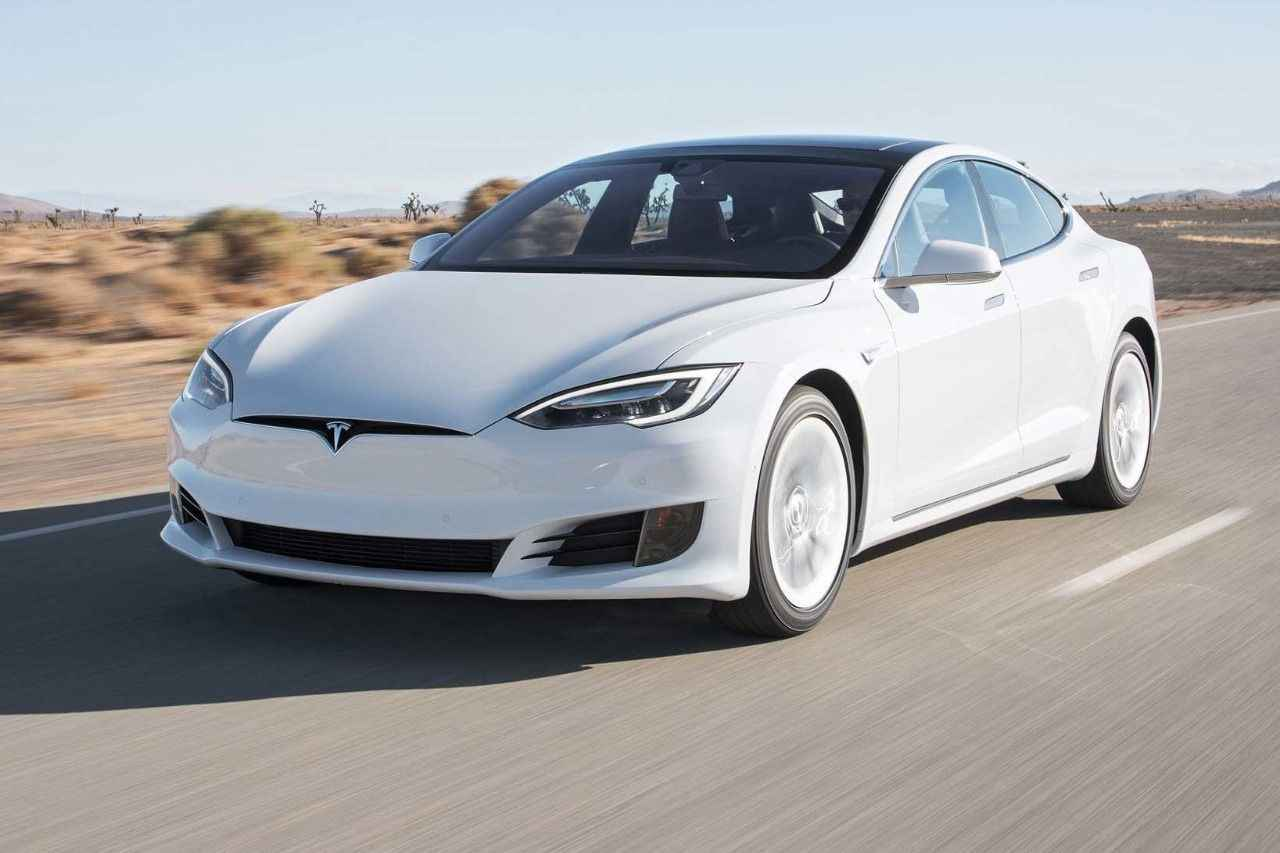
Tesla Shares Rise as Musk Promises Cheaper EVs and Autonomous Ride-Hailing

Tesla shares climbed more than 2% on Thursday after CEO Elon Musk announced plans to launch lower-cost electric vehicles (EVs) in the first half of 2025 and begin testing an autonomous ride-hailing service in June. These commitments helped investors look past a weaker-than-expected fourth quarter, which saw declining revenue and shrinking margins due to delayed model upgrades and rising competition.

Despite Tesla’s first annual decline in deliveries in 2024, the company assured investors that its vehicle business would return to growth in 2025. However, Tesla did not reaffirm Musk’s earlier forecast of a 20-30% sales increase for next year.

Morgan Stanley analysts noted that Tesla is shifting from being a traditional automotive company to a diversified player in AI and robotics. Investors remain optimistic, especially as Musk’s support for U.S. President Donald Trump could lead to more favorable regulatory conditions for Tesla’s robotaxi ambitions.

Musk revealed that Tesla will begin unsupervised testing of its autonomous ride-hailing service in Austin, Texas, though he did not provide specific details on how it would function. The company also did not share pricing details for its upcoming affordable EV models.

If Tesla’s stock gains hold, its market value could rise by approximately $28 billion. The stock surged 62.5% in 2024 and is currently trading at 118 times its 12-month forward earnings, significantly higher than Ford (6.07) and General Motors (4.48).

At least 19 brokerages have raised their price targets for Tesla stock, with a median target of $300, up from $278 at the end of December. Analysts believe that Tesla’s growth will be fueled by Full Self-Driving technology and the introduction of an affordable EV. However, some experts remain cautious about Musk’s timeline for launching robotaxis, citing regulatory challenges, particularly in Europe and China.

Tesla also announced an increase in its capital expenditure forecast, expecting to spend over $11 billion in 2025 and the following two fiscal years.