Yazılar

Uber Bets on Loyalty Program to Drive Growth, Unveils $20 Billion Buyback Plan

Uber (UBER.N) announced a $20 billion stock buyback program and raised its third-quarter gross bookings forecast above Wall Street expectations on Wednesday, fueled by strong adoption of its paid loyalty program, Uber One.

The $9.99-per-month Uber One membership surged 60% year-on-year in June to over 36 million members, who now account for more than one-third of Uber’s bookings. These loyal users are especially valuable as they engage with both ride-hailing and delivery services, generating over three times the profit compared to single-service users.

To boost Uber One sign-ups, the company hosted a week-long promotional event in May offering discounts across rides, food delivery, and groceries, adding half a million new members during that period. Uber’s stock has soared 48% so far this year, though it dipped about 1% in early trading following the announcement.

Uber expects third-quarter gross bookings—the total dollar value of transactions—to range between $48.25 billion and $49.75 billion, beating analyst estimates of $47.3 billion. This follows an 18.2% year-on-year increase in second-quarter gross bookings, driven by 24.6% growth in delivery and 18.8% in mobility services.

The company also reported a rise in net income to 63 cents per share in Q2 from 47 cents a year earlier, matching expectations. Adjusted core profit for the current quarter is forecast between $2.19 billion and $2.29 billion, above analyst consensus.

Uber is leveraging subscription products like the $2.99 monthly “Price Lock Pass,” which offers fixed pricing on select routes, to encourage habitual weekday commuting, now available in over 10 U.S. and Brazilian cities.

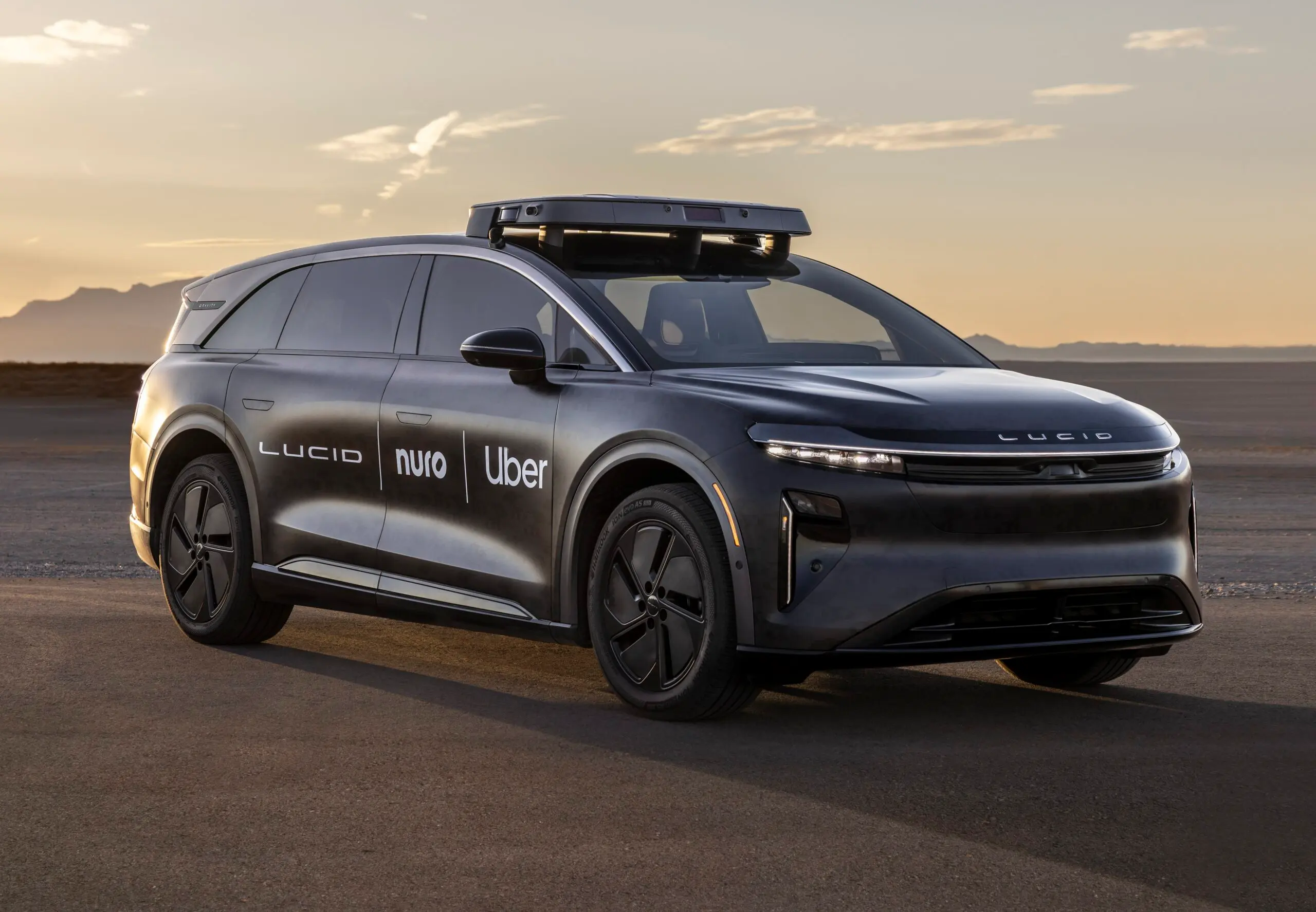
Looking ahead, Uber is expanding in autonomous vehicle technology through over 20 partnerships, including recent deals with EV maker Lucid and startup Nuro, despite not owning its own robotaxi technology.

This latest buyback authorization supplements a previously approved $7 billion program from early 2024.

Autopilot Verdict Hits Tesla’s Robotaxi Ambitions, Raises Safety Concerns

A Florida jury has ordered Tesla (TSLA.O) to pay approximately $243 million in damages following a fatal 2019 crash involving a Model S equipped with Autopilot driver-assistance software. The verdict, which found Tesla’s Autopilot system defective, poses a significant setback to CEO Elon Musk’s plans to rapidly expand the company’s robotaxi network across the U.S.

Tesla maintains that the driver was solely at fault and plans to appeal the decision. This ruling comes amid ongoing federal investigations and recalls linked to Tesla’s autonomous driving technology. It could intensify regulatory scrutiny, making it harder for Tesla to convince state authorities that its self-driving tech is safe and ready for broad deployment.

Experts say the verdict may increase pressure on regulators to impose stricter safety checks before approving autonomous vehicle services. Legal and industry analysts warn the ruling threatens Musk’s goal of offering robotaxi service to half of the U.S. population by year-end, a critical component as Tesla faces slowing demand for its older electric vehicle models and backlash over Musk’s political views.

Palantir’s software underpins Tesla’s robotaxi plans. Success will depend on earning regulators’ and consumers’ trust in the Full Self-Driving (FSD) software, an advanced system capable of city street navigation and autonomous maneuvers, building on the original Autopilot system used primarily on highways.

Tesla’s FSD updates have continued since 2019. Analysts at Piper Sandler noted that the verdict does not directly affect the latest versions of Tesla’s FSD software.

Regulatory and Industry Context:
Developing safe, fully autonomous vehicles has proven more challenging and costly than anticipated. Many companies, such as General Motors’ Cruise unit, have faced setbacks or changed strategy. Musk’s approach relies mainly on cameras and AI rather than expensive sensors like lidar and radar used by rivals such as Waymo and Zoox.

Tesla launched a limited robotaxi trial in June in Austin, Texas, deploying about a dozen Model Y SUVs monitored by safety drivers. Musk aims to rapidly scale this service nationwide, targeting coverage of half the U.S. population within months, contrasting with Waymo’s cautious multi-year rollout.

Tesla is currently seeking regulatory approval in multiple states, including California, Nevada, Arizona, and Florida. Officials have not commented on the verdict’s impact.

Case Details:
The lawsuit concerned a crash where a Tesla Model S, with Autopilot engaged, ran a stop sign and collided with a parked Chevrolet Tahoe. The driver admitted distraction but no alerts were received before the incident. The jury found Autopilot had a defect and held Tesla partly liable.

Tesla has historically won or settled most Autopilot-related lawsuits out of court. This verdict stands out and may influence several pending cases.

Investors and legal experts warn the ruling could delay regulatory progress and damage Tesla’s image at a critical time for its autonomous vehicle ambitions.

China Urges Cautious but Rapid Development of Assisted-Driving Technology

China’s automakers are rapidly advancing assisted-driving technology, eager to capture a growing market. However, Beijing is pushing for a balanced approach—accelerate innovation but ensure safety and accountability.


Key Points:

  • Rapid Innovation, Careful Oversight: Chinese regulators are finalizing new safety rules for driver-assistance systems following a fatal crash involving a Xiaomi SU7 sedan in March, which killed three occupants shortly after the driver resumed control from the system.

  • Regulatory Approach:

    • China bans terms like “smart” and “autonomous” in marketing to avoid overselling capabilities.

    • Current rules allow automatic steering, braking, and acceleration only with driver engagement.

    • New regulations will require hardware/software to monitor driver alertness and control readiness.

  • Collaboration and Public Input:

    • Regulators worked with Dongfeng and Huawei to draft rules, with public consultation ending recently.

    • Plans to resume Level 3 validation tests this year after being paused post-Xiaomi crash; the first Level 3 vehicle approval expected in 2026.

  • Level 3 Ambitions:

    • Level 3 allows drivers to take eyes off the road under certain conditions—midway between basic driver-assist and full autonomy.

    • China has promoted Level 3 tests and aims to be a global leader in assisted-driving tech.

  • Industry Competition:

    • China’s automakers like BYD and Zeekr are aggressively pushing Level 2 and Level 3 tech, often offering features at low or no additional cost.

    • At the Shanghai auto show, Huawei and Geely’s Zeekr highlighted Level 3 readiness.

    • Traditional foreign automakers like Mercedes-Benz and Volkswagen focus on advanced driver-assist features but hold back on Level 3 due to higher costs and liability concerns.

  • Safety and Liability:

    • New regulations hold manufacturers and suppliers liable for accidents caused by system failures, similar to recent UK legislation.

  • Strategic Context:

    • China is using this push to support its domestic auto industry, much like its earlier backing of electric vehicles.

    • Over 60% of new cars sold in China this year are estimated to include Level 2 driver-assist features.


Expert Insights:

Markus Muessig of Accenture Greater China notes that China’s “feel the stones to cross the river” approach—steady, cautious exploration of new tech—has been effective. Meanwhile, Mercedes-Benz’s CTO Markus Schaefer highlights the ongoing challenges with balancing cost and safety requirements for Level 3 systems.