Yazılar

Waymo and Via to launch robotaxis for public transit in Arizona

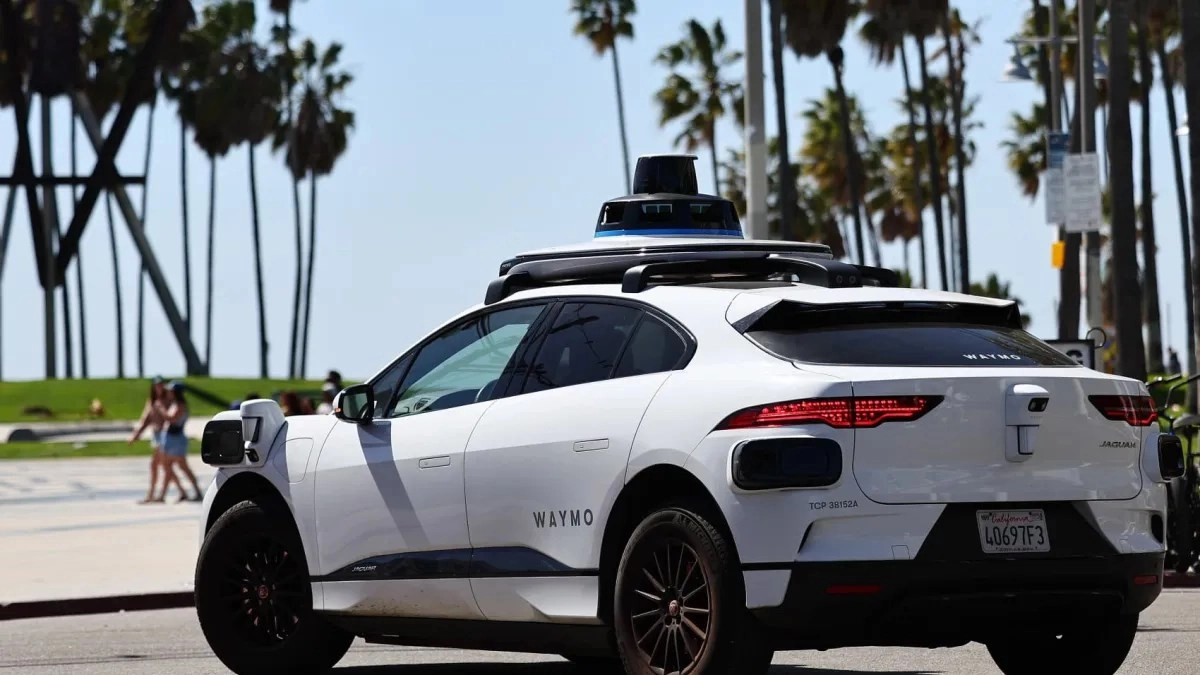
Alphabet’s Waymo (GOOGL.O) is teaming up with Via Transportation (VIA.N) to integrate its autonomous vehicles into public transit, starting with Chandler, Arizona, the companies announced Thursday.

This fall, Waymo’s robotaxis will be added to Chandler Flex, the city’s on-demand neighborhood transit service powered by Via’s software. Via, which provides tech-enabled services for public transport in more than 30 countries, said the partnership marks a milestone in making autonomous vehicles part of mainstream public mobility.

“We’re delighted that this partnership with Waymo paves the path for AVs to become accessible to millions of global public transit riders, enhancing mobility, lowering operating costs, and improving safety outcomes,” said Via co-founder and CEO Daniel Ramot.

Waymo has been steadily expanding its U.S. footprint as competition in the robotaxi sector intensifies. On Wednesday, it announced plans to launch autonomous cab rides in Nashville, Tennessee, next year through a partnership with Lyft (LYFT.O).

The company currently operates paid driverless rides in Phoenix, the San Francisco Bay Area, Los Angeles, Austin, and Atlanta. Meanwhile, EV maker Tesla (TSLA.O) entered the field in June with a limited robotaxi service in Austin and aims to expand to the Bay Area.

U.S. Warns of Hidden Radios in Solar-Powered Highway Infrastructure

U.S. transportation officials have issued a security advisory warning that solar-powered highway equipment — including electric vehicle chargers, weather stations, and traffic cameras — may contain undocumented cellular radios and other rogue devices hidden inside imported inverters and battery systems.

The advisory, circulated by the Federal Highway Administration (FHWA) on August 20 and reviewed by Reuters, follows discoveries of undocumented communications components in foreign-manufactured power inverters and battery management systems (BMS). While the note did not name a country of origin, many inverters are produced in China, and the warning aligns with rising U.S. scrutiny of Chinese technology in critical infrastructure.

Officials fear such hidden radios could allow remote tampering, enabling disruptions ranging from synchronized outages to the manipulation of roadside systems essential for autonomous vehicle operations. Anomadarshi Barua, a George Mason University researcher, said compromised inverters could be exploited to trigger power surges or send malicious commands, “creating a lot of havoc.”

Earlier this year, U.S. energy officials raised alarms after rogue communications hardware was found in Chinese-made inverters and batteries. Denmark’s grid operators also reported unexplained electronic components in imported energy equipment.

The FHWA memo urged transportation authorities to inventory inverters, conduct spectrum scans for unauthorized signals, remove undocumented radios, and ensure network segmentation to limit exposure.

China’s Embassy in Washington rejected the warnings, denouncing what it called the “distortion and smear of China’s achievements in energy infrastructure.”

The warning adds to broader U.S. measures targeting Chinese technology. Washington has already moved to ban most Chinese cars and trucks from the U.S. market by late 2026 over concerns that vehicle software and sensors could be used for data collection or surveillance.

Lyft and May Mobility Launch Robotaxi Service in Atlanta

Ride-hailing company Lyft and autonomous vehicle startup May Mobility have launched a pilot robotaxi service in Atlanta, marking the partnership’s first public deployment.

Starting Wednesday, customers using the standard Lyft app can hail Toyota Sienna minivans retrofitted by May Mobility to operate on routes in and around Midtown Atlanta. The fares will be comparable to regular Lyft rides.

The service begins with a small fleet, each vehicle staffed with trained in-vehicle operators who can answer passenger questions and take control if needed. This rollout highlights Lyft’s strategy to integrate self-driving options into its platform through partners such as Baidu in Europe and Mobileye, as competition intensifies in the robotaxi space.

Jeremy Bird, Lyft’s executive vice president of driver experience, said the fleet will expand gradually: “We’ll start in the single digits of cars, move up to dozens, and over time to hundreds and thousands.” Neither Bird nor May Mobility CEO Edwin Olson gave a specific timeline. Olson noted the vehicles use a redundant drive-by-wire system and a 360-degree sensor suite combining lidar, radar, and cameras.

The pilot will be integrated into Lyft’s hybrid marketplace, allowing passengers to choose between autonomous and conventional rides. Management of the fleet will be handled by May Mobility, rather than Lyft’s Flexdrive operations unit.

Last month, Lyft held an AV Driver Forum in Atlanta to brief drivers on the program, while both companies engaged with local and state officials to ensure smooth deployment.

Competition in the U.S. robotaxi sector is heating up. Waymo, owned by Alphabet, has expanded its paid autonomous services in major cities, Uber has partnered with tech firms for global self-driving deployments, and Tesla launched its first robotaxi service in Austin, Texas, as well as a ride-hailing program in the Bay Area earlier this year.