Yazılar

Bank of England Eases Stablecoin Rules, Allowing Investment in Government Debt

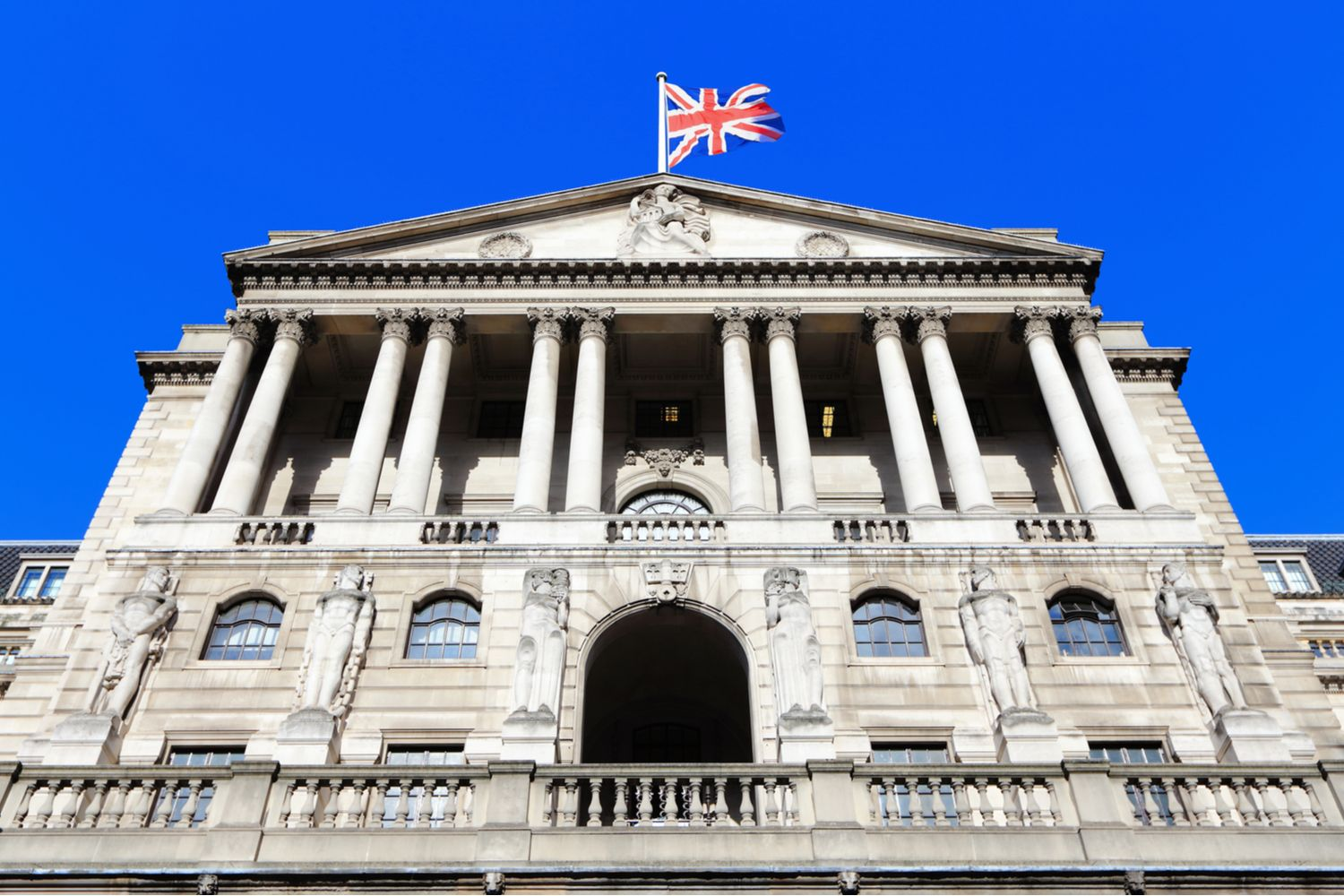
The Bank of England (BoE) has proposed a more flexible regulatory framework for stablecoins, allowing issuers to invest up to 60% of their backing assets in government debt, a move that marks a softer stance toward the rapidly growing digital asset sector.

The proposal, part of a package of rules expected to take effect next year, represents a shift from the BoE’s earlier, stricter approach, which required stablecoin issuers to hold all their reserves in non-interest-bearing central bank accounts — a move that critics said would have stifled the industry’s development in the UK.

The new plan reduces that requirement to 40%, allowing the remaining portion to be invested in interest-bearing assets such as short-term government securities.

“Today’s proposals mark a pivotal step towards implementing the UK’s stablecoin regime next year,” said Sarah Breeden, the BoE’s deputy governor for financial stability. “We’ve listened carefully to feedback and amended our proposals for achieving this, including on how stablecoin issuers interact with the Bank of England.”

The central bank confirmed it will supervise only those stablecoins intended for widespread payment use, while non-systemic tokens — those primarily used for crypto trading — will fall under the Financial Conduct Authority (FCA).

However, the BoE maintained its plan to cap holdings at £20,000 ($26,842) for individuals and £10 million for businesses, though large firms such as supermarkets or exchanges could apply for exemptions. The bank said these limits would be temporary, designed to mitigate potential financial stability risks.

In a further step, the BoE is also considering providing liquidity facilities to systemic stablecoin issuers during times of market stress.

Crypto industry figures welcomed the more balanced approach but urged further relaxation. Tom Duff Gordon, vice president of international policy at Coinbase, said the BoE “could have allowed up to 80% of assets to be invested in government bonds” and called for “clearer timelines” on when the caps would be lifted.

The consultation period for the proposals runs until February 10, 2026.
Experts Divided Over Whether AI Boom Is the Next Big Bubble

The record-breaking wave of artificial intelligence investments has sparked fierce debate across global markets, with opinions divided over whether the sector is inflating into a bubble reminiscent of the early 2000s dot-com frenzy.

According to Bank of America Global Research, 54% of surveyed fund managers now believe AI stocks are in a bubble, compared to 38% who disagree. The discussion has gained urgency as companies pour hundreds of billions into AI infrastructure, data centers, and startups, pushing valuations to new extremes.

The Bank of England warned that a sharp market correction tied to fading AI optimism could ripple through the global financial system. “The risk of a sharp market correction has increased,” its Financial Policy Committee said in an October update.

Singapore’s GIC investment chief Bryan Yeo also described “a little bit of a hype bubble” in the venture space, saying startups labeled as AI firms are being valued “at huge multiples” of modest revenue.

Amazon founder Jeff Bezos offered a nuanced view, saying industrial bubbles often leave lasting benefits even if many investors lose money. “When the dust settles and you see who are the winners, society benefits from those inventions,” he said.

Others, such as Goldman Sachs economist Joseph Briggs and ABB CEO Morten Wierod, argue the AI investment surge remains justified given long-term potential — though both caution about bottlenecks in infrastructure and human resources.

By contrast, Michael Burry — famed for predicting the 2008 financial crisis — has bet against high-flying AI stocks like Nvidia and Palantir, warning that the boom mirrors past speculative manias.

IMF chief economist Pierre-Olivier Gourinchas agreed that a correction could come but emphasized it would likely be contained. “This is not financed by debt,” he said, meaning any fallout would primarily hurt equity investors.

OpenAI CEO Sam Altman echoed that sentiment, admitting that investors may be “overexcited” and predicting that “someone is going to lose a phenomenal amount of money.”

Yet, UBS strategists note that even among those who believe in an AI bubble, about 90% are still invested — a sign of the sector’s magnetic pull despite growing caution.

Experts divided over whether AI boom is a bubble or sustainable revolution

The massive wave of investment in artificial intelligence has triggered debate across global markets over whether the surge mirrors the dot-com bubble or represents a sustainable technological revolution. Companies have poured hundreds of billions of dollars into AI infrastructure, fueling record valuations — but also investor caution.

A BofA Global Research survey showed that 54% of fund managers now believe AI stocks are in a bubble, compared with 38% who disagree, highlighting the growing divide between optimism and skepticism.

The Bank of England warned on October 8 that global markets could tumble if sentiment toward AI shifts, saying “the risk of a sharp market correction has increased.”

Other experts, however, see the AI boom as a long-term growth story. Goldman Sachs economist Joseph Briggs argued that the investment surge remains macroeconomically sustainable, though he noted that “the ultimate AI winners remain less clear.”

ABB CEO Morten Wierod echoed that sentiment, saying, “I don’t think there is a bubble, but we do see constraints in construction capacity,” adding that the industry is dealing with “trillions in investment” and limited human resources.

Amazon founder Jeff Bezos said investor enthusiasm is not inherently negative: “When people get very excited … every experiment gets funded. Some will fail, but society benefits when the winners emerge.”

IMF chief economist Pierre-Olivier Gourinchas compared the AI boom to the early 2000s tech frenzy but said it’s less likely to trigger a systemic crash because it’s not driven by debt.

OpenAI CEO Sam Altman offered a more candid view: “Are investors overexcited about AI? Yes. Someone is going to lose a phenomenal amount of money — and others will make a phenomenal amount.”

Despite these warnings, UBS strategists found that 90% of investors who believe in an AI bubble remain heavily invested, suggesting confidence in the sector’s long-term potential even as valuations soar.