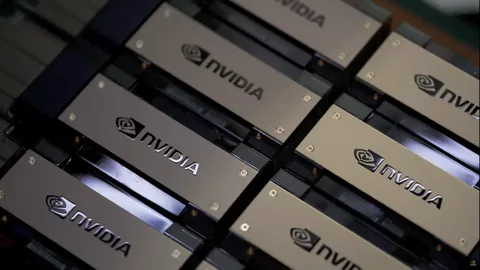
China Presses Tech Firms Over Nvidia H20 AI Chip Purchases Amid Security Concerns
Chinese regulators have questioned major domestic tech firms, including Tencent, ByteDance, and Baidu, over their purchases of Nvidia’s H20 AI chips, sources told Reuters. The Cyberspace Administration of China (CAC) and other agencies asked companies to justify why they were opting for U.S. chips instead of domestic alternatives and raised concerns that data submitted to Nvidia for U.S. government review could expose sensitive client information.
While Beijing has not issued a direct ban on Nvidia’s H20, companies were cautioned about its use in government-related or security-sensitive projects. Bloomberg earlier reported that firms received official notices discouraging reliance on the chip, while The Information claimed ByteDance, Alibaba, and Tencent were ordered to halt purchases outright. These reports could not be independently confirmed by Reuters.
Nvidia defended the H20, stressing it is “not a military product or for government infrastructure,” while noting China has never relied on U.S. chips for government operations. The chipmaker designed the H20 specifically for China after U.S. export curbs in late 2023 restricted sales of its most advanced processors. Although Washington briefly banned its sale this year, the Trump administration reversed the decision in July, restoring limited access.
The scrutiny threatens a key revenue source for Nvidia, which made $17 billion from China last fiscal year — about 13% of its global revenue. State media have recently amplified criticism, portraying the H20 as technologically inferior and a security risk. Meanwhile, Chinese chipmakers like Huawei are working to produce domestic AI processors rivaling Nvidia’s offerings, though U.S. sanctions on advanced equipment remain a hurdle for large-scale production.
The tensions underscore Beijing’s push for self-sufficiency in semiconductors as Washington weighs tighter controls. U.S. President Donald Trump has hinted he may allow Nvidia to sell a scaled-down version of its Blackwell AI chip in China, even as concerns grow over the military applications of advanced AI. At the same time, an unusual deal now requires Nvidia and AMD to share 15% of China chip sales revenue with the U.S. government.