Yazılar

China Proposes Further Export Curbs on Battery and Critical Minerals Technology

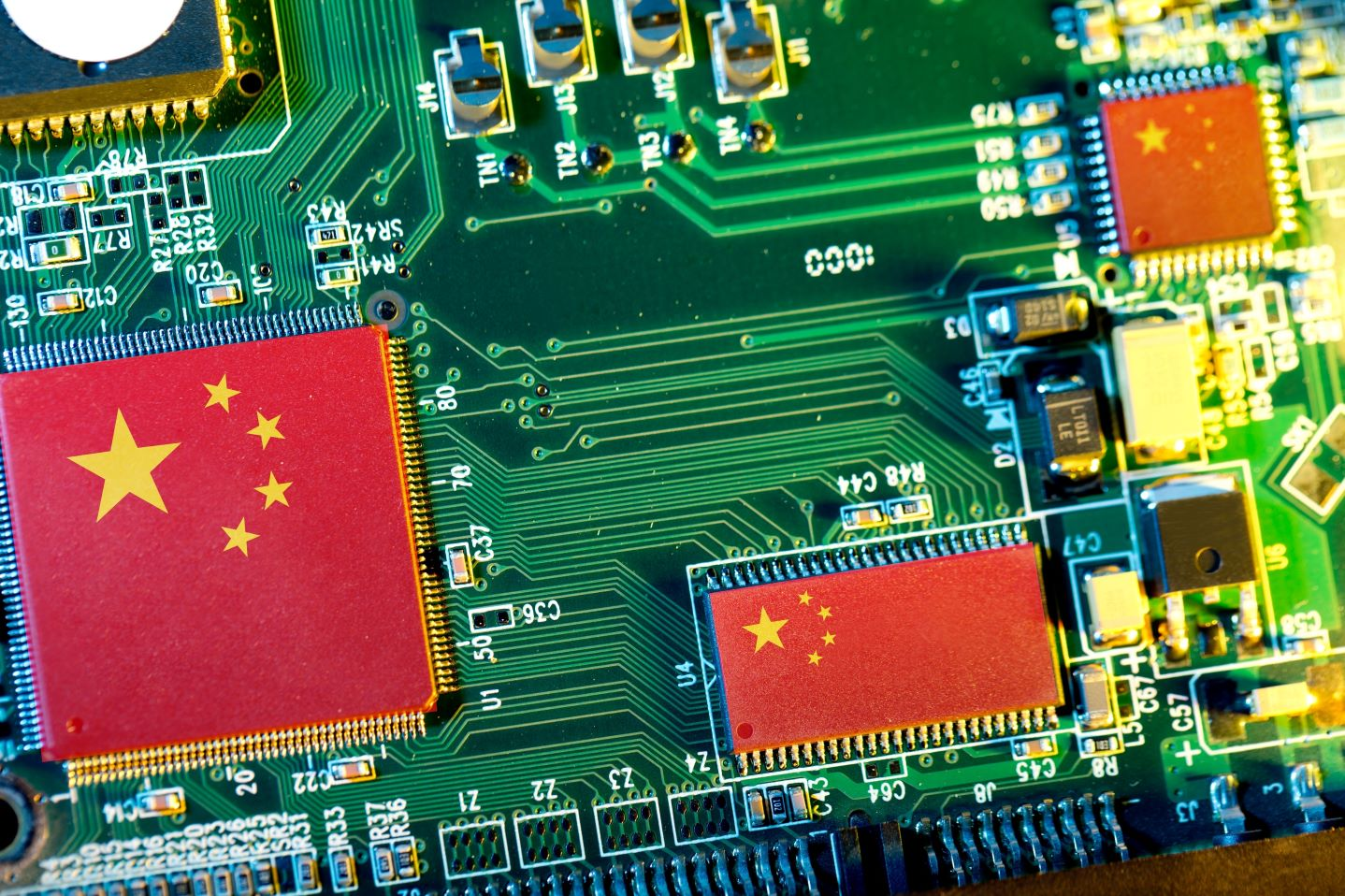
China’s Ministry of Commerce has proposed new export restrictions targeting technology used in processing critical minerals such as lithium and gallium, as well as in producing battery components, according to a document released on Thursday.

If implemented, the restrictions would follow a series of measures by Beijing to tighten control over critical minerals and related technologies, reinforcing its dominance in these sectors. These announcements come ahead of U.S. President Donald Trump’s second-term inauguration, during which he is expected to escalate trade restrictions on China.

Maintaining Lithium Dominance

China currently holds a 70% share of the global lithium processing market, critical for manufacturing electric vehicle (EV) batteries. Adam Webb, head of battery raw materials at Benchmark Mineral Intelligence, noted that the proposed measures would solidify China’s control over lithium chemical production for its domestic battery supply chain.

“These measures aim to sustain China’s high market share and ensure secure production for local supply chains,” Webb said. “However, they could create significant hurdles for Western lithium producers seeking access to Chinese technology for processing lithium chemicals.”

Impact on Global Battery and Mineral Industries

The proposed restrictions could disrupt the overseas ambitions of major Chinese battery manufacturers, including CATL, Gotion, and EVE Energy, by limiting their ability to export advanced technologies. Additionally, technologies related to gallium extraction could face similar constraints.

Gallium and lithium are crucial in the production of semiconductors, EV batteries, and renewable energy technologies. Restricting exports of processing technologies would not only bolster China’s domestic capabilities but could also amplify challenges for international competitors reliant on Chinese expertise and resources.

Next Steps

The public has until February 1 to provide feedback on the proposed changes. However, the document does not specify when these measures might take effect.

Analysts warn that if the restrictions are implemented, they could escalate existing tensions in global trade and technology markets, particularly as Western nations seek to reduce reliance on Chinese supply chains for critical minerals.

 

CATL Develops 10 EV Models with Swappable Batteries, Aims for Mass Adoption

Contemporary Amperex Technology Co., Ltd (CATL), the world’s largest battery manufacturer, announced on Wednesday that it has co-developed 10 new electric vehicle (EV) models with automakers, all featuring swappable batteries. This development aligns with CATL’s strategy to promote battery swapping as a key alternative to traditional gasoline stations and standard EV charging methods in China.

Battery Swapping Revolution

Yang Jun, CEO of CATL’s battery-swapping brand EVOGO, revealed plans to launch the first EV equipped with its “choco-swap” battery this month, with additional models to follow in the coming months. CATL also aims to establish 1,000 battery-swapping stations next year and is seeking partnerships to accelerate station deployment.

CATL envisions battery swapping as a transformative solution, predicting that 30,000-40,000 swapping stations could replace one-third of China’s 100,000 gasoline stations in the future. Yang projects that by 2030, battery swapping will account for one-third of EV power-up solutions, alongside home and public charging options.

The “choco-swap” battery is designed for quick replacements, allowing drivers to swap depleted batteries in just one minute. CATL’s battery-swapping service is offered on a subscription basis, starting at 369 yuan ($51) per month. The company is also standardizing battery sizes to encourage broader adoption among automakers.

Collaboration and Expansion

CATL has partnered with state-owned automakers Changan Auto and FAW to integrate the battery-swapping technology. Since the launch of its EVOGO service in 2022, CATL has been piloting battery-swapping stations in select Chinese cities.

Robin Zeng, CATL’s chairman, emphasized the role of green energy in powering the swapping stations and highlighted their potential to stabilize power grids. Additionally, CATL is diversifying into areas like micro power grids and skateboard chassis as part of its long-term growth strategy.

Growing Competition in Battery Swapping

Chinese automaker Nio has been a major player in the battery-swapping space, with over 2,800 stations built as of early December. Nio’s technology allows EV batteries to be replaced in three minutes, offering another fast alternative for EV users.

The battery-swapping trend addresses critical infrastructure bottlenecks, a key challenge slowing global EV growth. While China leads in battery-swapping adoption, companies like Nio and Xpeng are also exploring extended range hybrids to cater to overseas markets with limited EV charging and swapping facilities.

Market Outlook

CATL’s aggressive push for battery swapping reflects its confidence in this technology as a scalable solution for EV energy needs. By enabling faster recharging and enhancing grid stability, CATL aims to position battery swapping as a mainstream option for both domestic and global markets.


Stellantis and CATL to Build $4.33 Billion EV Battery Factory in Spain

Stellantis and Chinese battery manufacturer CATL have announced a joint investment of €4.1 billion ($4.33 billion) to establish a new electric vehicle (EV) battery factory in Zaragoza, Spain. The two companies will form a 50-50 joint venture and aim to start production by the end of 2026. The plant could have a production capacity of up to 50 gigawatt hours, depending on market growth and regulatory support.


Boost to European EV Battery Production

The collaboration between Stellantis and CATL is part of Europe’s efforts to reduce its reliance on Asia for EV batteries and increase its competitiveness against the United States in the race for green subsidies. The move comes as the region continues to attract battery manufacturers despite challenges such as regulatory delays, production issues, and slower-than-expected demand for electric vehicles.

In recent months, European battery makers have faced significant setbacks, with Sweden’s Northvolt filing for Chapter 11 bankruptcy after losing a major customer. However, the new Zaragoza plant represents a step forward for both companies, leveraging the region’s clean energy initiatives.


CATL’s Expansion in Europe

The Zaragoza factory will be CATL’s third European plant, following its existing facilities in Germany and Hungary. The German plant, established six years ago, has an investment of €1.8 billion, with a planned capacity of 14 gigawatt hours. The Hungarian plant, under construction, will see a €7.3 billion investment and target a much larger capacity of 100 gigawatt hours.


Stellantis’ Broader EV Strategy

Alongside its partnership with CATL, Stellantis is a major investor in the ACC battery joint venture, which also includes Mercedes and TotalEnergies. ACC has begun production in France, although the development of additional plants in Italy and Germany has faced delays due to a dip in EV demand.