Yazılar

China Launches Probe into U.S. Chip Subsidies Over Impact on Domestic Industry

China’s commerce ministry announced an investigation into U.S. government subsidies to the semiconductor sector, claiming these subsidies have harmed Chinese manufacturers of mature node chips. Unlike advanced chips used in AI, mature node chips are simpler and cheaper to produce, often utilized in household appliances and communication devices. Beijing asserts that U.S. subsidies, particularly under the CHIPS and Science Act, have given U.S. companies an unfair advantage, allowing them to export mature node chips to China at low prices and undermining China’s domestic chip industry.

The probe is part of China’s broader strategy of responding to Washington’s increasingly stringent restrictions on Chinese semiconductor firms, which the Biden administration has accused of potentially strengthening China’s technological capabilities, including its military. The investigation is expected to target U.S. companies, including Intel, which sell mature node chips to China.

This move follows a similar complaint from the U.S. about China’s practices in the chip industry, such as alleged state-backed artificial price suppression and overcapacity. The outcome of the probe could lead to retaliatory actions affecting U.S. chipmakers in the Chinese market. It remains to be seen what specific measures Beijing will take.
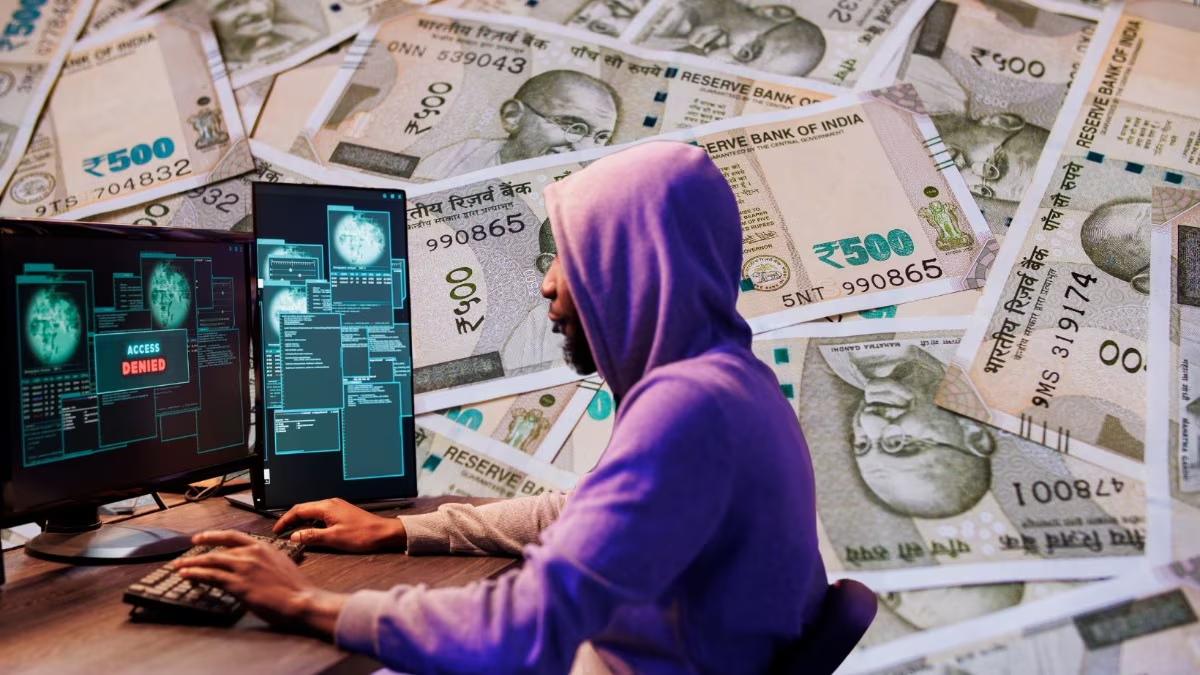
 

MBBS Student Arrested for Alleged Rs. 8 Lakh Crypto Transfer to Chinese Nationals in Cyber Fraud Case

MBBS Student Arrested for Alleged Crypto Fraud Involving Rs. 8 Lakh

Police in Indore, Madhya Pradesh, have arrested a 23-year-old MBBS student for his alleged involvement in converting cyber fraud money into cryptocurrency and transferring it to a group of Chinese nationals. Officials revealed that the accused, Vikram Vishnoi, facilitated the transfer of approximately Rs. 8 lakh in illicit funds.

Deputy Commissioner of Police (DCP) Rajesh Kumar Tripathi stated that Vishnoi’s arrest followed an investigation into a case where a city-based software engineer was defrauded of Rs. 1.35 lakh. Vishnoi’s role was uncovered during the probe, leading to his apprehension. According to DCP Tripathi, Vishnoi was placed under “digital arrest” as evidence linked him to the fraudulent transactions.

Hailing from Jodhpur, Rajasthan, Vishnoi is currently in his third year of medical studies at the Government Medical College in Alibag, Maharashtra. Despite being a student, he is alleged to have used his technical knowledge to assist the cybercriminals in laundering the stolen money by converting it into cryptocurrency.

Authorities are now probing Vishnoi’s connection to the larger cybercrime syndicate. The case highlights the increasing misuse of cryptocurrency in fraudulent activities and the need for heightened awareness and security measures in the digital domain.

Beijing Introduces Regulations to Promote Driverless Vehicles

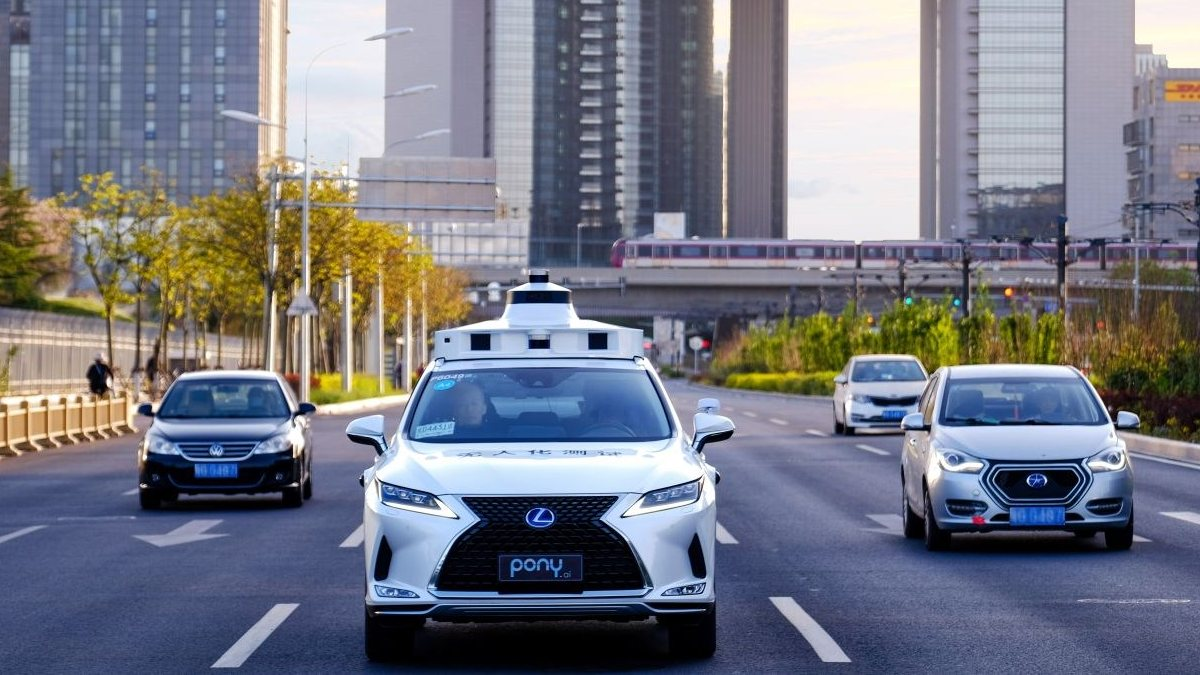
Beijing has unveiled new regulations designed to foster the growth of autonomous driving technology within the city, with plans to eventually permit driverless public buses and taxis. Starting April 1, 2025, autonomous vehicles that pass road testing and safety assessments will be eligible to apply for road trials. The city’s new rules support the use of self-driving vehicles for private cars, buses, trams, and taxis, and encourage the development of intelligent road infrastructure to accommodate these vehicles.

This initiative is part of a broader effort by Chinese authorities to accelerate the adoption of autonomous driving technology. At least 19 cities across China, including Beijing, have already begun testing robotaxis and robobuses. Major companies such as Apollo Go, a subsidiary of Baidu, and Pony.ai are expanding their robotaxi fleets, with Baidu planning to deploy 1,000 robotaxis in Wuhan by the end of 2024 and Pony.ai aiming for over 1,000 vehicles by 2026.

Additionally, Tesla is seeking regulatory approval to launch its full self-driving (FSD) technology in China by the first quarter of 2025, with plans to produce its own robotaxis by 2026.