Yazılar

Chinese AI Firm Zhipu Opposes U.S. Export Control Entity List Inclusion

Beijing-based artificial intelligence firm Zhipu Huazhang Technology expressed strong opposition to the U.S. Department of Commerce’s decision to include it and its subsidiaries on the export control entity list. The company issued a statement on its official WeChat account, claiming that the decision lacked factual foundation.

Zhipu, which is involved in the development of advanced AI technologies, responded firmly to the move, which restricts the company’s access to U.S. exports, preventing them from receiving goods or technology without a special license that is typically denied. This addition to the entity list comes amid growing concerns from the U.S. over the potential use of AI for military applications and national security risks associated with China’s technological advancements.

The company emphasized that its inclusion on the list would not significantly impact its operations, asserting that it has mastered the core technology for large language models.


US Targets Chinese Companies Over AI Chips and Military Concerns

The Biden administration has blacklisted more than two dozen Chinese entities, including Zhipu AI, a prominent developer of large language models, and Sophgo, a company implicated in using Taiwan Semiconductor Manufacturing Company (TSMC) chips for Huawei’s AI processors. This move is part of the U.S.’s ongoing efforts to curb China’s access to advanced technology, particularly in the fields of artificial intelligence (AI) and military applications.

The U.S. Commerce Department added 25 Chinese companies, along with two Singapore-based companies, to its Entity List, effectively restricting their access to U.S. goods and technology without special licenses, which are typically denied. Zhipu AI, backed by major investors like Alibaba and Tencent, was blacklisted for its involvement in advancing China’s military AI capabilities. Sophgo, which supplied a chip found in Huawei’s Ascend 910B AI system, also came under scrutiny for its role in supporting Huawei’s AI ambitions, a company already restricted since 2019.

In response, Zhipu AI denied the allegations, claiming the decision lacked factual basis and wouldn’t significantly impact its operations. Similarly, Sophgo, an affiliate of Bitmain, a leading bitcoin mining equipment supplier, also rejected claims of any direct ties with Huawei.

The U.S. also implemented stricter rules for the export of semiconductors, specifically those used in AI applications, particularly targeting advanced chips at or below 14 or 16 nanometer nodes. The new regulations aim to prevent these chips from being used in military technologies or high-tech surveillance systems, further tightening restrictions on Chinese companies like Changxin Memory Technologies, a major DRAM producer.

The expanded controls also hold chipmakers accountable for ensuring that their products do not end up in the hands of restricted entities, including companies potentially linked to Huawei’s operations.

These moves are part of broader efforts by the U.S. to limit China’s access to critical technology, especially in areas like AI and advanced military systems, and to curtail the risk of sensitive technologies being diverted to entities like Huawei.


Apple Loses Smartphone Sales Crown in China, Drops to Third in 2024

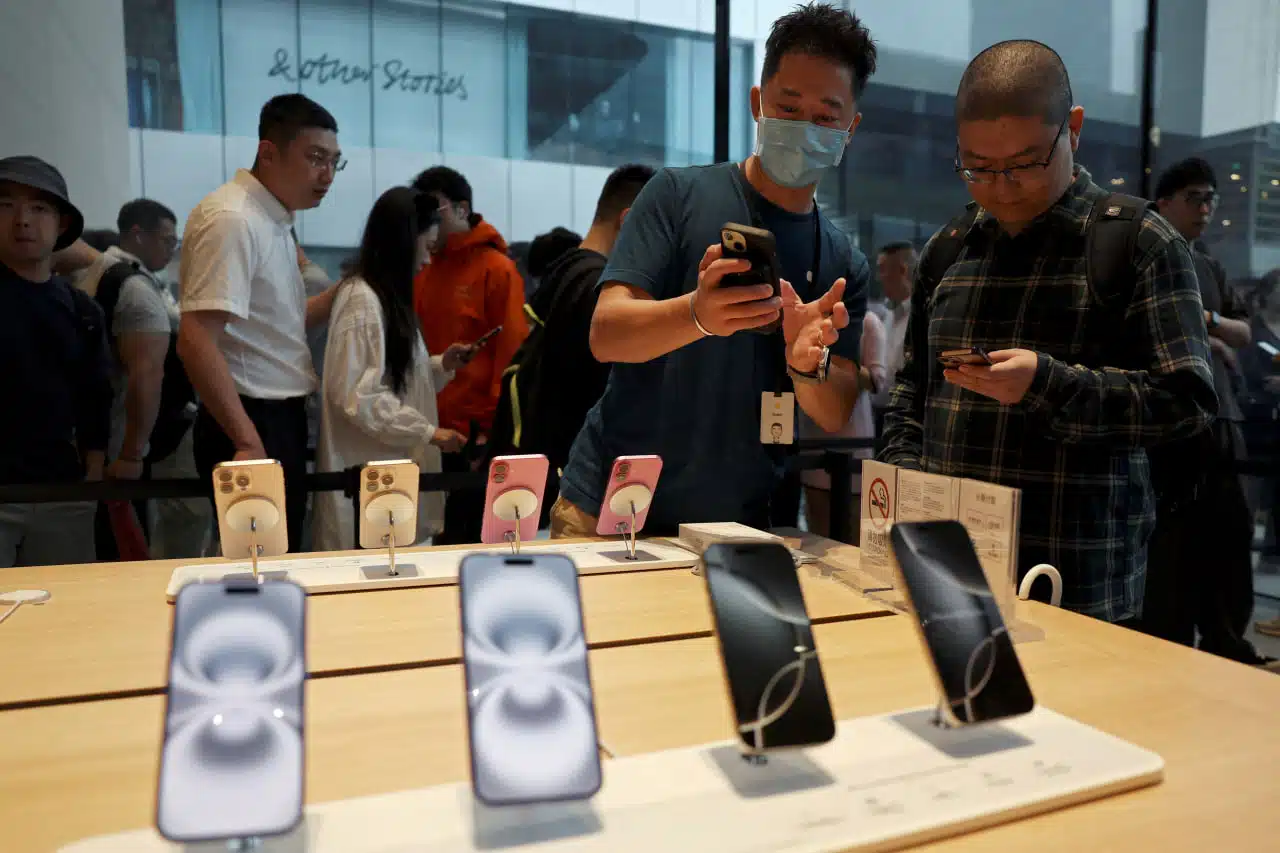
Apple has lost its position as China’s top smartphone seller in 2024, with local competitors Vivo and Huawei surpassing the tech giant. According to data from research firm Canalys, Apple’s annual smartphone shipments in China declined by 17%, marking its largest drop since 2016.

Vivo, the budget smartphone maker, secured 17% of the market share, while Huawei, with its premium offerings, held 16%, and Apple dropped to third with 15%. This marks a significant shift in market dynamics, as domestic manufacturers gain strength in one of Apple’s largest global markets.

Apple’s decline is attributed to various factors, including the lack of artificial intelligence capabilities in its latest iPhones, which has hurt its competitiveness in China, where services like ChatGPT are unavailable. Canalys analyst Toby Zhu commented that Apple’s premium market position faces multiple challenges, such as Huawei’s resurgence in the flagship segment, the rise of domestic foldable phones in high-price segments, and Android brands like Xiaomi and Vivo building consumer loyalty through technological innovations.

Despite previously experiencing four years of growth following U.S. sanctions on Huawei in 2019, which restricted the company’s access to American technology, Apple now faces a strong challenge from Huawei. The Chinese company has seen a resurgence, with a 24% rise in shipments during the fourth quarter of 2024 after launching new phones with locally-made chipsets.

To combat the decline, Apple resorted to offering discounts. In early January, Apple launched a four-day promotion in China, offering price cuts of up to 500 yuan ($68.50) on iPhone 16 models through official channels. Major Chinese e-commerce platforms followed suit, with Alibaba’s Tmall marketplace offering discounts up to 1,000 yuan ($137) on the latest iPhone 16 series devices.

Among the top five smartphone vendors, Xiaomi posted the strongest growth, with a 29% increase in shipments in the fourth quarter, while Oppo and Vivo saw increases of 18% and 14%, respectively. Overall, smartphone shipments in China rose by 4% year-on-year to 285 million units in 2024.