Yazılar

Putin Orders Enhanced AI Cooperation with China Amid Sanctions

Russian President Vladimir Putin has directed the government and the country’s largest bank, Sberbank, to strengthen cooperation with China in the field of artificial intelligence (AI). This order, which was published on the Kremlin’s website on Wednesday, comes three weeks after Putin revealed plans for Russia to collaborate with BRICS nations and other global partners on AI development.

The directive to Sberbank, the leading institution driving Russia’s AI initiatives, emphasizes the need to further cooperation with China in technological research and development in AI. This move is seen as part of Russia’s strategy to overcome technological barriers imposed by Western sanctions, which have significantly hindered Russia’s access to essential microchips and AI resources, crucial for sustaining its ongoing conflict with Ukraine.

In 2023, Sberbank CEO German Gref admitted that the scarcity of graphics processing units (GPUs), the critical hardware for AI, posed one of the biggest challenges for Russia. The sanctions have disrupted the supply of GPUs, which are primarily produced by Western companies, thus limiting Russia’s ability to advance in AI technology.

By deepening ties with non-Western nations, Russia aims to challenge the United States’ dominance in the AI sector, which is considered one of the most strategic and transformative technologies of the 21st century. Putin also announced the formation of an AI Alliance Network on December 11, intended to bring together experts from BRICS countries and other interested nations to foster innovation in this field.

Currently, Russia ranks 31st out of 83 countries in terms of AI implementation, innovation, and investment, according to Tortoise Media’s Global AI Index. This places Russia behind not only the United States and China but also fellow BRICS members such as India and Brazil.


Nexperia Parent Wingtech to Sell Electronics Arm Amid Geopolitical Shifts

Wingtech (600745.SS), the Chinese company that owns European chip maker Nexperia, has announced plans to sell roughly half of its business, focusing more on chipmaking in response to changes in the geopolitical environment. This strategic move follows the company’s recent inclusion on the U.S. government’s “entity list,” which targets firms perceived to aid the Chinese government in acquiring sensitive chipmaking technology.

The sale will involve Wingtech’s “product integration” business, which includes contract manufacturing of smartphones, home appliances, and other electronics. Following the transaction, Wingtech intends to concentrate its efforts on strengthening its semiconductor division and solidifying its position as a leading global player in the power semiconductor sector.

The filing, submitted to the Shanghai Stock Exchange, did not disclose the price of the sale, but it revealed that the business to be sold accounts for between 50% and 60% of Wingtech’s revenues, although it represents no more than half of its total assets. Luxshare Ltd., a Hong Kong-based company that is also the controlling shareholder of Luxshare Precision Industry Co. (002475.SZ), an Apple supplier, will be the buyer of the business.

Nexperia, which Wingtech acquired in 2019, has stated that it does not anticipate any impact on its operations from being placed on the U.S. entity list, though they were not immediately available for comment on the sale.


Apple Launches Rare iPhone Discounts in China to Counter Local Competition

Apple is offering limited-time discounts of up to 500 yuan ($68.50) on its latest iPhone models in China, aiming to bolster its market share amid intensifying competition from domestic rivals like Huawei. The four-day promotion, running from January 4 to January 7, includes discounts on several iPhone models when purchased with specific payment methods.

The flagship iPhone 16 Pro and iPhone 16 Pro Max, priced at 7,999 yuan and 9,999 yuan, respectively, will see the largest discounts of 500 yuan. Meanwhile, the iPhone 16 and iPhone 16 Plus will receive a 400 yuan reduction.

Intensified Competition and Economic Pressures

The price cuts come at a time when consumer spending in China is cautious, impacted by the country’s slowing economy and deflationary pressures, with consumer inflation hitting a five-month low in November.

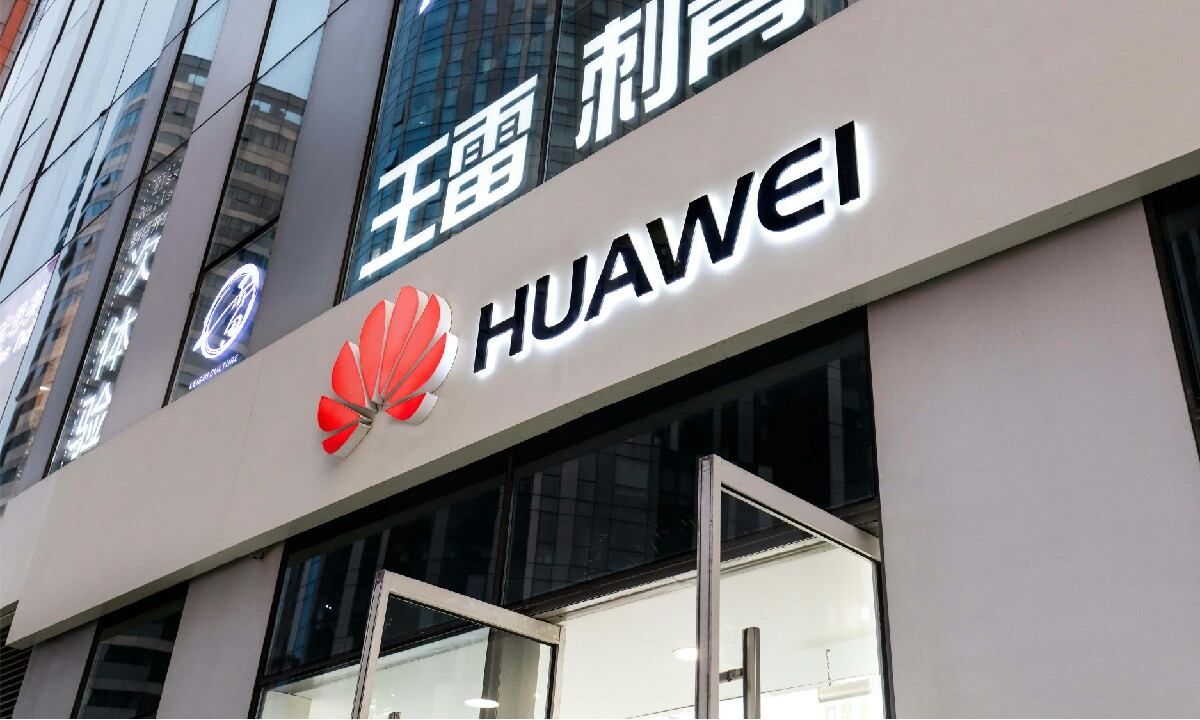
Apple has faced declining market share in China, the world’s largest smartphone market, where local manufacturers have stepped up their game. Huawei has been a particularly strong competitor, re-entering the premium smartphone market in August 2023 with locally-made chipsets. Huawei also slashed prices of its high-end devices, including smartphones, by up to 3,000 yuan over a recent weekend sale on one of China’s major e-commerce platforms.

Apple’s Struggles and Recovery

Apple briefly fell out of China’s top five smartphone vendors in Q2 2024, although it managed to recover by Q3. However, its smartphone sales in the region still declined by 0.3% year-over-year in Q3, while Huawei’s sales surged by 42%, according to research firm IDC.

In addition to iPhones, the promotion also offers discounts of 200 to 300 yuan on older iPhone models, as well as reductions on MacBook laptops and iPad tablets. Customers must use designated payment methods such as WeChat Pay or Alipay to qualify for the discounts.