Yazılar

China’s Youth Grapple with Unemployment, Giving Rise to ‘Rotten-Tail Kids’

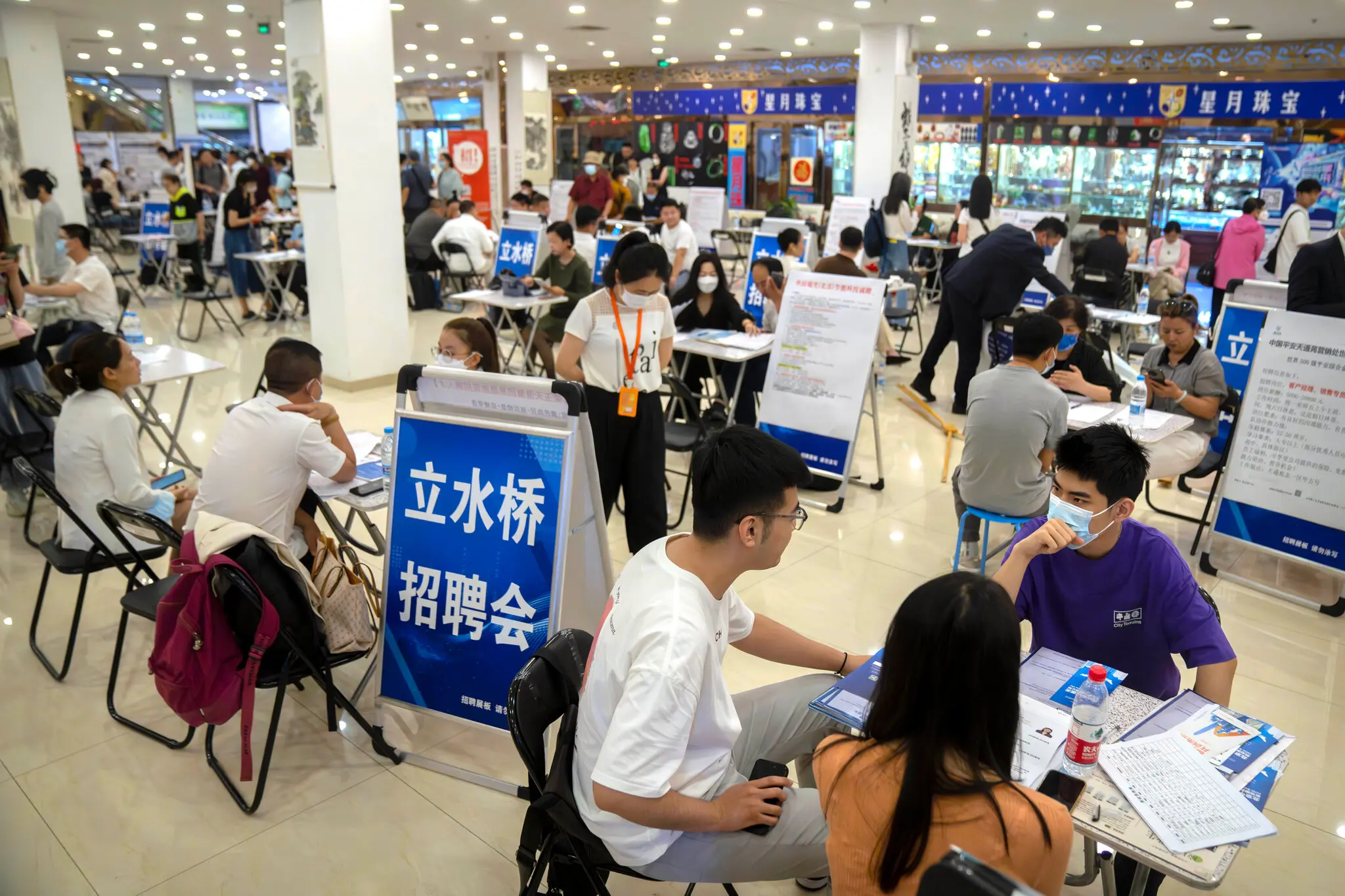
China’s growing youth unemployment crisis has led to the emergence of a new working class, dubbed “rotten-tail kids,” a term echoing the unfinished and deteriorating buildings that symbolize the country’s troubled economy. Faced with a stagnant labor market and diminished job prospects, millions of college graduates are forced to accept low-wage work or rely on their parents’ pensions to survive.

The crisis has escalated since the COVID-19 pandemic, compounded by government crackdowns on the tech, finance, and education sectors. A record 11.79 million college students graduated in 2023, contributing to a youth unemployment rate that hit an unprecedented 21.3% in June of that year. In response, Chinese authorities suspended the release of unemployment data, later revising it to 17.1% by July 2024. Despite efforts by President Xi Jinping to prioritize job creation for young people, the challenge remains immense. Initiatives like job fairs and business support policies have been introduced, yet many young Chinese are unable to find stable employment.

Picture background

For many, a college degree once symbolized upward social mobility and a brighter future, but those promises have faded. With an oversupply of graduates, even those with post-graduate degrees struggle to secure work in a sluggish economy. Some have resigned themselves to becoming “full-time children,” living at home and relying on their parents’ financial support. Others, disillusioned by low-paying jobs or exploitative work conditions, contemplate shifting career paths entirely, like recent graduate Amada Chen, who left her sales job due to unbearable work culture and unrealistic expectations. Chen, after applying for over 130 jobs, is now considering modeling as an alternative to her degree in traditional Chinese medicine.

This economic dilemma is not new in China. Since the late 1990s, China has expanded its university system to create a highly educated workforce, but the supply of graduates continues to outpace job availability. While some like Zephyr Cao, a master’s graduate, remain optimistic about pursuing further education to improve their chances, others like AI student Shou Chen, who has struggled to secure even an internship, express deep pessimism about their future in a saturated job market.

The outlook remains uncertain as China braces for a long-term mismatch between graduates and job demand. While the fertility rate decline is expected to slow this trend by the mid-2030s, the current generation of young people must navigate a job market that is unlikely to meet their expectations anytime soon.
Former Soviet Aircraft Carrier Catches Fire During Renovation in China

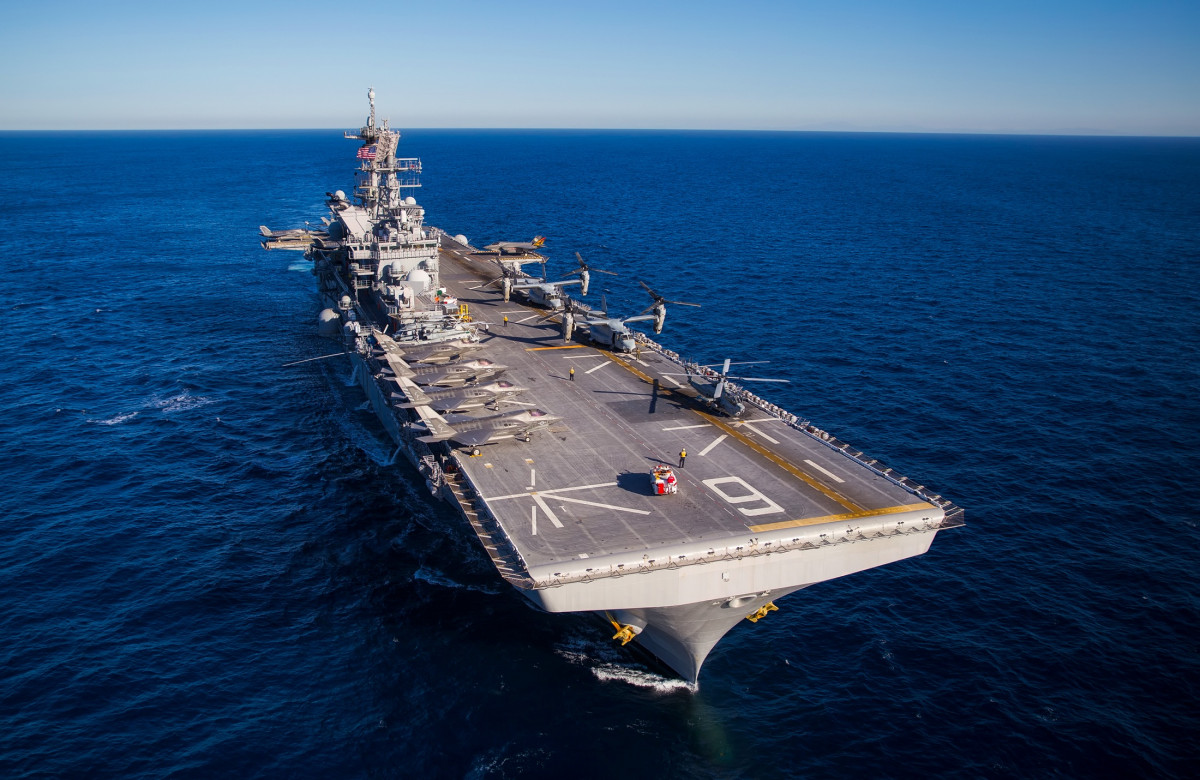
A former Soviet aircraft carrier, the Minsk, caught fire over the weekend while undergoing renovations in a lagoon near Shanghai, China. The blaze, which broke out on Friday afternoon, raged for about 24 hours before being extinguished, leaving extensive damage to the ship. The Minsk, once a formidable part of the Soviet Pacific Fleet, had been converted into a Chinese tourist attraction and was anchored in Nantong, Jiangsu province, for the past eight years.

The carrier was in the process of being refurbished to become the centerpiece of a military theme park when the fire erupted. Images circulating on social media depicted thick smoke and flames engulfing the deck, with later photos revealing significant damage to the ship’s superstructure and charred metal along its side. Fortunately, there were no casualties reported, and authorities are currently investigating the cause of the fire.

The Minsk, built between 1970 and 1987 as one of four Kiev-class aircraft carriers by the Soviet Union, was a key asset of the Soviet Pacific Fleet until the Soviet Union’s dissolution in 1991. After being decommissioned in 1993, the ship was sold to a South Korean company for scrap. However, environmental concerns in South Korea led to the Minsk being sold to a Chinese company, eventually finding a new life as a tourist attraction at the Minsk World theme park in Shenzhen, which operated from 2000 until its closure in 2016 due to financial difficulties.

The recent fire has cast doubt on the future of the Minsk as a tourist attraction, with officials expressing uncertainty about the project’s prospects following the extensive damage. The ship’s history as part of the once-mighty Soviet fleet, coupled with its journey from a warship to a theme park centerpiece, highlights the complex legacy of decommissioned military vessels.

Of the four Kiev-class carriers constructed by the Soviets, only the last one, the Baku, remains in service today. After being sold to India in 2004, it was refurbished and commissioned into the Indian Navy as the INS Vikramaditya in 2013, where it now serves as the navy’s flagship. The fate of the Minsk and its future as a tourist attraction remains uncertain in the wake of this recent disaster.

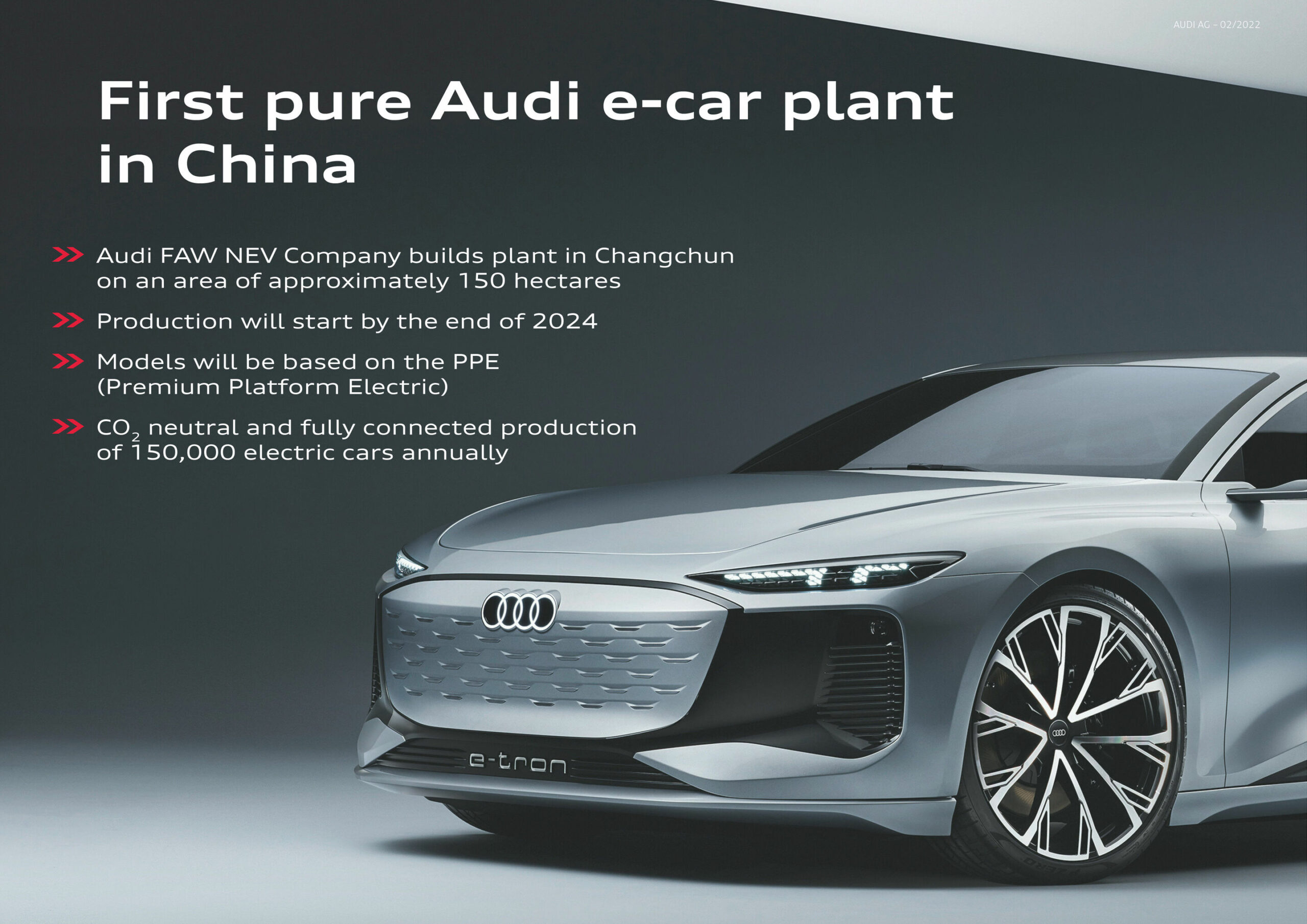
Exclusive: Audi’s New China EV Series Won’t Feature Signature Four-Ring Logo


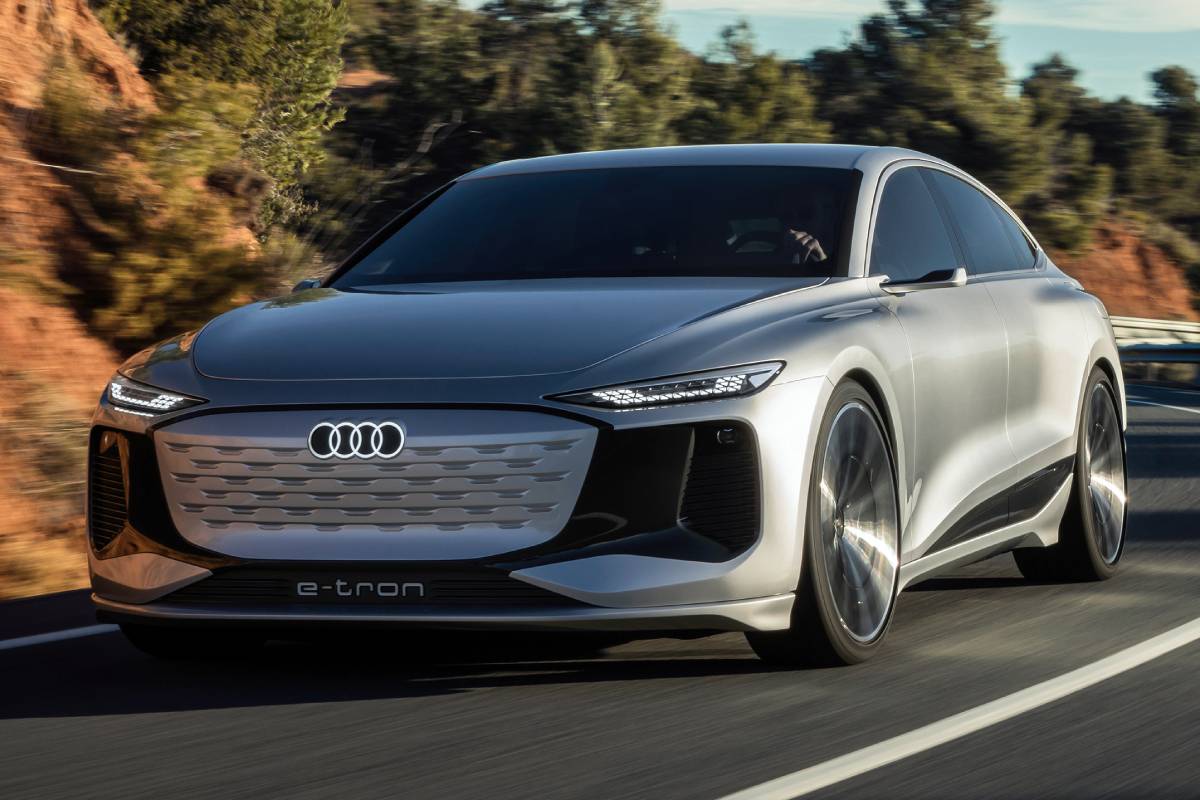
SHANGHAI, Aug 2 (Reuters) – Audi’s upcoming series of electric vehicles (EVs), developed specifically for the Chinese market, will not carry the brand’s iconic four-ring logo, according to two sources familiar with the plans. The decision, driven by “brand image consideration,” also reflects the automotive architecture co-developed with Chinese partner SAIC and a greater reliance on local suppliers and technologies.

A concept car for this new series is scheduled to be unveiled in November, where Audi will also elaborate on the series’ “brand story,” the sources said. A third source indicated that nine models are planned by 2030. The sources requested anonymity as the plans have not been publicly announced.

Audi declined to comment on what it termed speculation, while SAIC assured Reuters that the EVs would be “true Audi with authentic Audi DNA.”

Chinese automakers, armed with tech-savvy EVs, are increasingly capturing market share in China—the world’s largest automotive market. This has resulted in declining sales for foreign automakers, many of which still rely heavily on gasoline-engine models, prompting them to forge new partnerships.

In May, Audi and long-time VW partner SAIC announced they would jointly develop a platform for EVs tailored for the Chinese market. By developing cars specifically for China, foreign automakers can align with the latest features in EVs and Chinese consumer preferences while tapping into a vast customer base. Yale Zhang, managing director at Shanghai-based consultancy Automotive Foresight, suggests that Audi and VW will likely conduct further research before adapting these models for other markets.

Audi sold fewer than 10,000 EVs in China during the first half of 2024, while Chinese premium EV brands Nio and Zeekr each sold eight times that amount. The new Audi EV series will incorporate a CATL battery and an advanced driving assistance system (ADAS) from Chinese tech startup Momenta. The electrical architecture of SAIC’s EV brand IM Motors will be utilized in the “Purple” series, the sources added.