Yazılar

China’s CXMT Corp Begins IPO Preparation Amid Push to Expand DRAM Chip Business

CXMT Corporation, the parent company of Chinese DRAM chipmaker ChangXin Memory Technologies, has started the initial preparations for an initial public offering (IPO), according to a document released by China’s securities regulator.


Summary:

  • IPO Preparation:
    CXMT has entered the “counselling process” for an IPO, having hired state-owned investment banks China International Capital Corporation and CSC Financial to assist. However, details on the timing or location of the IPO remain undisclosed.

  • Company Profile:
    CXMT is a major player in China’s drive to develop a domestic dynamic random-access memory (DRAM) chip industry, a sector historically dominated by firms from the U.S., Japan, and South Korea. Founded in 2016 with state backing, CXMT oversees subsidiaries including ChangXin Memory Technologies.

  • Production Facilities:
    The company operates two semiconductor foundries in China—one in Hefei, Anhui Province, and a newer facility in Beijing, with production ramping up since September 2023. Monthly production capacity is estimated at around 200,000 12-inch wafers.

  • Regulatory Challenges:
    CXMT narrowly avoided being added to the U.S. Entity List in May but remains subject to U.S. export restrictions from October 2022, which limit China’s ability to manufacture advanced DRAM chips.

  • No Further Details:
    The document did not specify which assets will be part of the IPO or whether the CXMT subsidiary itself will be listed. The company did not immediately respond to requests for comment.
US May Target Samsung, Hynix, and TSMC Operations in China by Revoking Trade Authorizations

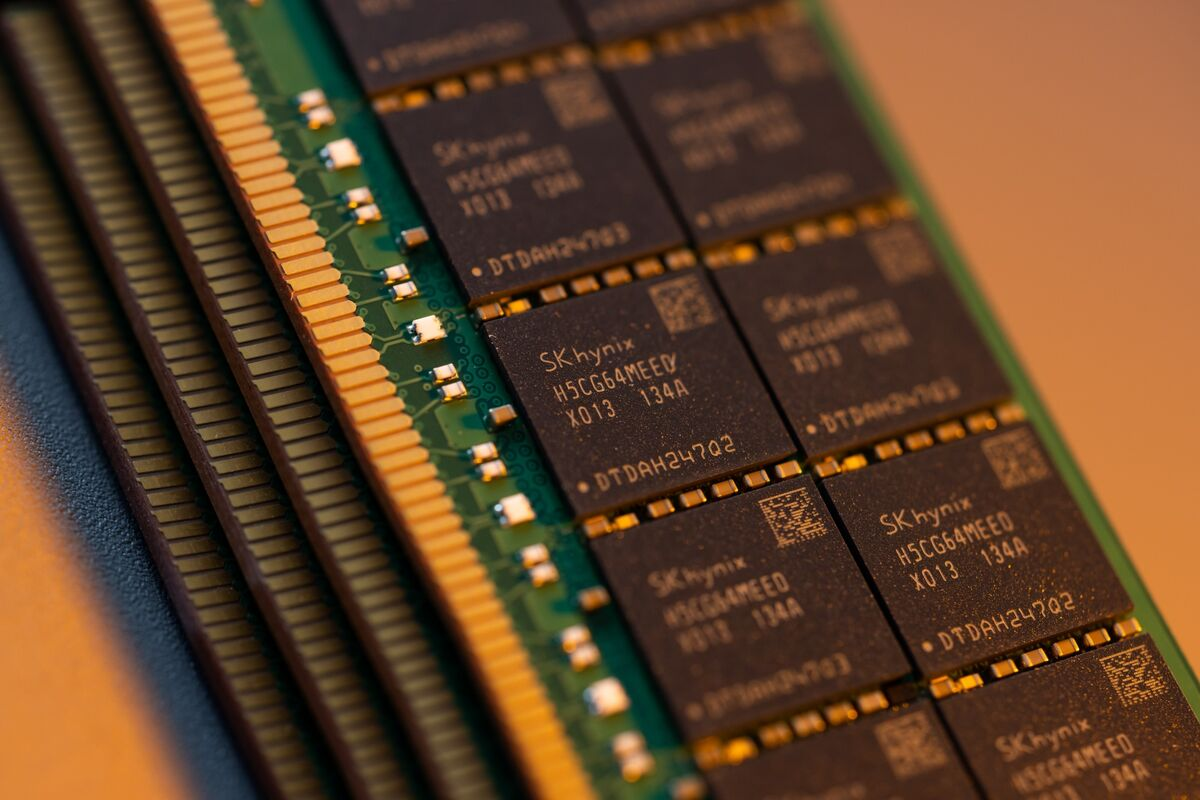
The U.S. Department of Commerce is considering revoking authorizations granted in recent years to major chipmakers Samsung, SK Hynix, and TSMC that allow them to receive U.S. goods and technology at their manufacturing plants in China, sources familiar with the matter said. This potential move would complicate operations for these foreign semiconductor firms in China, where they produce chips used across many industries.

While the likelihood of the U.S. actually withdrawing these authorizations remains uncertain, officials view the tactic as a contingency if the current trade truce between the U.S. and China deteriorates. A White House official emphasized that the U.S. is “just laying the groundwork” and expressed confidence the trade agreement would continue, including the agreed supply of rare earth minerals from China. The official clarified that “there is currently no intention of deploying this tactic,” but it remains a tool in case bilateral relations worsen.

Following early reports, shares of U.S. semiconductor equipment suppliers that serve Chinese plants dropped: KLA Corp fell 2.4%, Lam Research declined 1.9%, and Applied Materials sank 2%. Conversely, shares of Micron Technology, a key competitor to Samsung and SK Hynix in memory chips, rose 1.5%.

TSMC declined to comment, while Samsung and SK Hynix did not respond to requests for comment. Lam Research, KLA, and Applied Materials also did not immediately respond.

Background: In October 2022, the U.S. imposed broad restrictions on chipmaking equipment exports to China but provided foreign firms like Samsung and SK Hynix with letters authorizing shipments. In 2023 and 2024, these companies received “Validated End User” (VEU) status, which allows them to obtain U.S.-controlled products more quickly and reliably without needing multiple export licenses. However, VEU status comes with conditions such as equipment prohibitions and reporting requirements.

A Commerce Department spokesperson said chipmakers would still be able to operate in China if the authorizations are revoked. The enforcement mechanisms would align with licensing rules for other semiconductor firms exporting to China, ensuring the U.S. applies an equal and reciprocal approach.

Industry insiders warn that stricter U.S. controls could unintentionally benefit Chinese domestic competitors by making it harder for foreign companies to receive equipment, calling such a move “a gift” to China’s semiconductor industry.

India Approves $435 Million HCL-Foxconn Semiconductor Plant Near Jewar Airport

India’s federal cabinet has approved a new 37.06 billion ($435 million) semiconductor plant — a joint venture between HCL Group and Taiwan’s Foxconnas part of the India Semiconductor Mission, Information Minister Ashwini Vaishnaw announced on Wednesday.

The plant will be built near Jewar airport in Uttar Pradesh, and is expected to have a monthly capacity of 20,000 wafers, enabling the production of 36 million display driver chips annually. The facility will begin commercial production in 2027, becoming the sixth project approved under India’s national semiconductor initiative.

This marks another significant step in our journey to build a robust semiconductor ecosystem in India,” Vaishnaw said at the cabinet briefing in New Delhi.

A Strategic Push Toward Chip Self-Sufficiency

Prime Minister Narendra Modi has made semiconductor manufacturing a key pillar of India’s economic growth strategy, aiming to turn the country into a global electronics manufacturing hub. Despite heavy investments and multiple proposals, India currently has no operational chip fabrication facility.

Mixed Results in India’s Semiconductor Drive

The HCL-Foxconn announcement comes amid a series of starts and stalls in India’s semiconductor ambitions:

  • Adani Group recently paused talks with Israel’s Tower Semiconductor on a $10 billion chip project, after internal concerns about commercial demand.

  • A $19.5 billion joint venture between Foxconn and Vedanta collapsed in 2023 due to cost overruns and delays in receiving government incentives.

  • Still, progress continues with other ventures:

    • Tata Group is moving ahead with an $11 billion chip fabrication and testing facility.

    • Micron Technology (U.S.) is developing a $2.7 billion chip packaging plant in India.

Industry Implications

The HCL-Foxconn facility’s focus on display driver chipscritical components for screens in smartphones, tablets, and TVs—comes at a time when global supply chains are realigning away from dependence on China and Taiwan.

By 2027, the new plant could help fill both domestic and export demand for mid-range semiconductor components, while adding momentum to India’s long-term goal of building a self-reliant semiconductor ecosystem.