Yazılar

Intel Announces Board Reshuffle Amid Turnaround Efforts

Intel has announced that three board members—Omar Ishrak, Tsu-Jae King Liu, and Risa Lavizzo-Mourey—will not stand for reelection at the company’s 2025 annual meeting, according to a regulatory filing on Thursday. This move is part of Intel’s ongoing board restructuring to align with its renewed focus on the semiconductor industry under newly appointed CEO Lip-Bu Tan.

The changes will reduce the board’s size to 11 members. Meanwhile, Intel has already bolstered its leadership with industry veterans Eric Meurice, former CEO of ASML, and Steve Sanghi, interim CEO of Microchip Technology, who joined in December. These appointments mark a shift away from Intel’s previous board composition, which included leaders from academia, finance, and healthcare.

In a letter to shareholders, Tan emphasized his commitment to Intel’s turnaround strategy, focusing on both product innovation and contract chip manufacturing. His appointment follows the departure of former CEO Pat Gelsinger, whose severance package was approximately $7.9 million.

Former Intel CEO Pat Gelsinger Joins Playground Global as General Partner

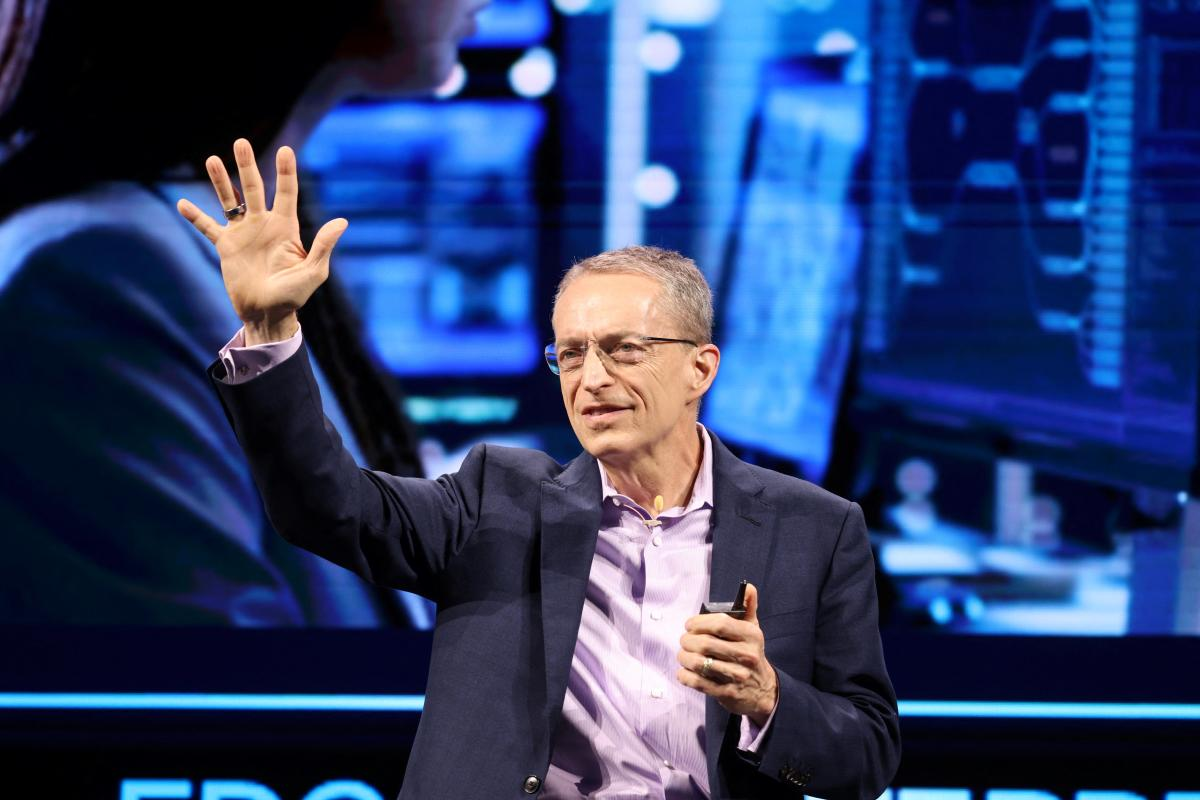
Pat Gelsinger, the former CEO of Intel, has joined venture capital firm Playground Global as a general partner. In addition to his new role, Gelsinger has also joined the board of xLight, a startup focused on developing advanced chip manufacturing technology.

Playground Global and Gelsinger’s Role

Founded in 2015, Playground Global is a Silicon Valley-based venture capital firm with $1.2 billion in assets under management. The firm specializes in deep technology investments, including semiconductors and AI. Playground’s notable investments include MosaicML, an AI firm sold to Databricks in a $1.3 billion stock deal, and PsiQuantum, a quantum computing firm raising funds to build quantum computers in the U.S. and Australia.

Gelsinger, who left Intel after disagreements with its board over his turnaround strategy, will focus on supporting 10 to 20 of Playground’s portfolio companies. His mission is to identify technologies that can deliver breakthroughs, specifically those that can perform at least 10 times better than current solutions.

Focus on Innovation in Semiconductor Technology

One of Gelsinger’s first moves is to join xLight, a Playground portfolio company, as executive chairman. xLight is developing a new type of laser technology to produce extreme ultraviolet (EUV) light for chip manufacturing. This technology aims to use significantly less electricity than current EUV lasers, which are produced by ASML Holding, the industry leader in lithography machines.

Gelsinger believes that this new laser technology could significantly enhance chip production capabilities, making chips smaller and faster—a continuation of the progress first outlined by Moore’s Law, which predicts the doubling of transistors on a chip approximately every two years. He emphasized the importance of advancing these technologies domestically, particularly in the U.S., to ensure continued innovation in the semiconductor industry.

Looking Ahead

Gelsinger’s move to Playground Global signals his commitment to driving innovation in the semiconductor and tech industries. His extensive experience at Intel and deep understanding of chip manufacturing will bring valuable insights as he works to accelerate advancements in cutting-edge technologies that could shape the future of computing.

Exxon to Invest $100 Million in Facility for Producing Cleaning Alcohol for Semiconductor Industry

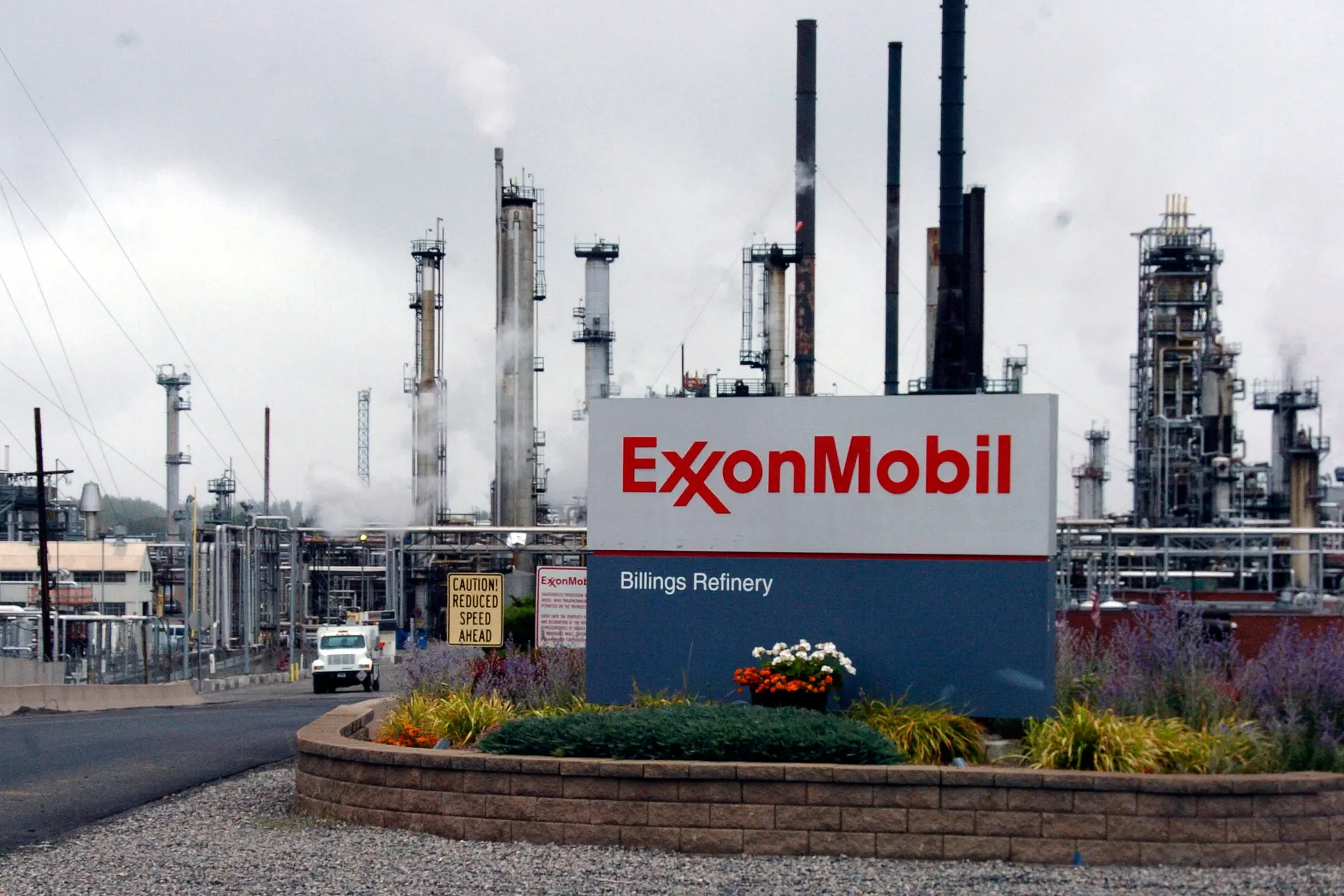
Exxon Mobil has announced plans to invest $100 million to upgrade its chemical plant in Baton Rouge, Louisiana, to produce high-purity isopropyl alcohol (IPA) used in the semiconductor industry. The upgrade, which is scheduled to be completed by 2027, will cater to the growing demand for highly pure IPA, a crucial substance in cleaning and processing microchips, particularly as the tech industry booms.

Strategic Move Amid Chip Industry Growth

The demand for this specialized alcohol is surging, driven by the rise of advanced artificial intelligence and the subsequent growth of the chip industry. Companies are ramping up the construction of data centers and developing in-house chips to train AI systems, further increasing the need for high-purity cleaning agents.

Exxon’s chemical plant upgrade will enable the company to produce IPA at scale, supporting the construction of semiconductor fabrication plants (fabs) across the U.S. “It will create production at scale and allow us to support the fabs that are under construction in the U.S.,” said Frederik Donkers, Exxon’s vice president of intermediates.

Focus on U.S. Market

The production of highly pure IPA will primarily serve U.S.-based customers, as the longer shipping distances associated with international exports could compromise the purity of the product. Although Exxon did not disclose any new customer agreements for the IPA supply, the move addresses a gap in the domestic supply chain, as U.S. companies have historically relied on imports from Taiwan and Japan for this high-quality cleaning alcohol.