Yazılar

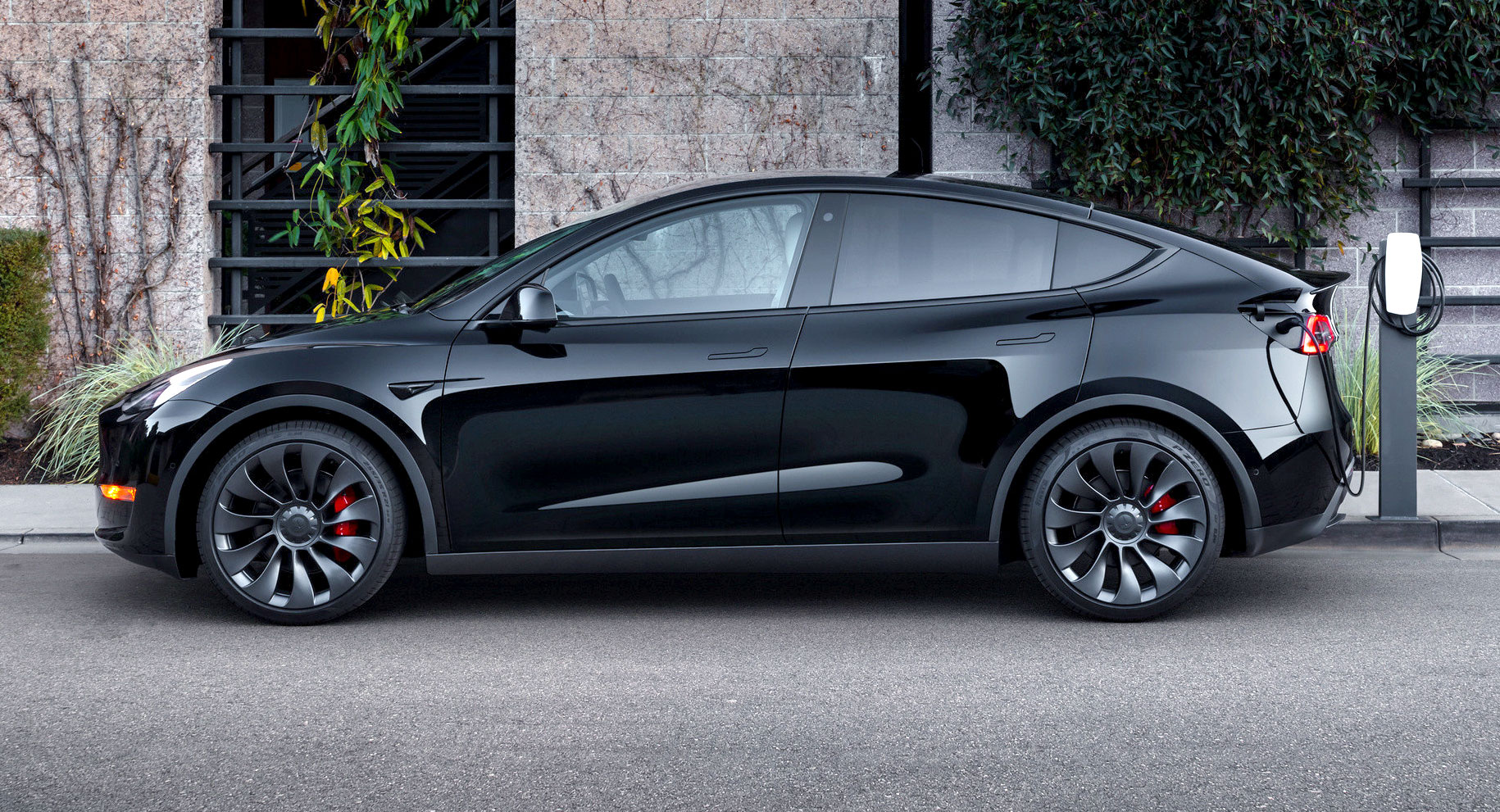
Tesla Plans Lower-Cost Model Y to Defend Market Share in China

Tesla is set to introduce a lower-cost version of its best-selling Model Y in Shanghai, aiming to recover market share lost during a price war in its second-largest market, according to sources familiar with the plan. The new model, developed under the project codename “E41”, will utilize existing production lines at Tesla’s largest factory by output, with mass production set to begin in 2026.

The upcoming Model Y will be smaller and is expected to cost at least 20% less to produce than the refreshed Model Y launched late last year, which is currently priced starting from 263,500 yuan (~$36,351). This price reduction is part of Tesla’s strategy to defend its market position, particularly in China, where competition from domestic electric vehicle (EV) manufacturers has intensified.

While primarily aimed at the Chinese market, the new model is also planned for production in Europe and North America, though timelines for these markets are not yet specified. Tesla has not commented on the project.

The decision to develop a more affordable Model Y aligns with Elon Musk‘s earlier statement that Tesla would introduce lower-cost models in the first half of 2025, though further details on the exact cost reductions, pricing, and specifications were not disclosed at the time.

In 2023, the Model Y was China’s best-selling car, but its market share has since slipped, now standing at 10.4%, down from 11.7% in the previous year. Tesla faces increased competition from local companies, with models like the YU7 crossover from Xiaomi becoming strong rivals. The YU7 has already outsold Tesla’s Model 3 on a monthly basis since December.

As Tesla contends with rising competition in China, it has focused on introducing various versions of existing models rather than unveiling entirely new products, aside from the Cybercab robotaxi slated for 2026. A six-seat version of the Model Y is also expected to launch in China later this year.

SentinelOne Issues Lower Revenue Forecasts Amid Competition and Economic Uncertainty

SentinelOne (S.N.) issued disappointing revenue forecasts for both the first quarter and the full year, citing challenges such as tough competition and reduced enterprise spending amid economic uncertainty. This led to a 16% drop in its shares after the market closed on Wednesday.

The cybersecurity company faces significant pricing pressure, particularly in the endpoint security market, where larger platform players like Palo Alto Networks (PANW.O) and CrowdStrike (CRWD.O) are offering deeper discounts. Analysts note that despite SentinelOne’s strong competitive positioning, the sector is feeling the strain of more aggressive pricing strategies. Additionally, economic challenges have led enterprises to curtail spending on cybersecurity solutions, focusing more on cost optimization.

Generative AI, while offering opportunities, has also opened the door for increased cyberattacks. The rise of malicious AI usage has made the cybersecurity industry more critical, with global cyberattacks becoming a significant threat. For example, X, the social media platform owned by Elon Musk, experienced intermittent outages earlier this week due to a powerful cyberattack. Similarly, a cyberattack on UnitedHealth Group‘s technology unit last year compromised the personal information of 190 million individuals, marking it as the largest healthcare data breach in the United States.

Despite these cybersecurity challenges, SentinelOne’s first-quarter revenue forecast was $228 million, below the Wall Street estimate of $235.1 million. For the full year, the company expects revenue between $1.01 billion and $1.012 billion, which is also below analysts’ average estimate of $1.03 billion.

In its most recent financial results for the fourth quarter ending January 31, SentinelOne reported $225.5 million in revenue, surpassing expectations of $222.3 million. The company’s adjusted profit per share for the quarter was 4 cents, exceeding the 1-cent estimate.

UK Antitrust Body Raises Concerns Over Apple and Google’s Mobile

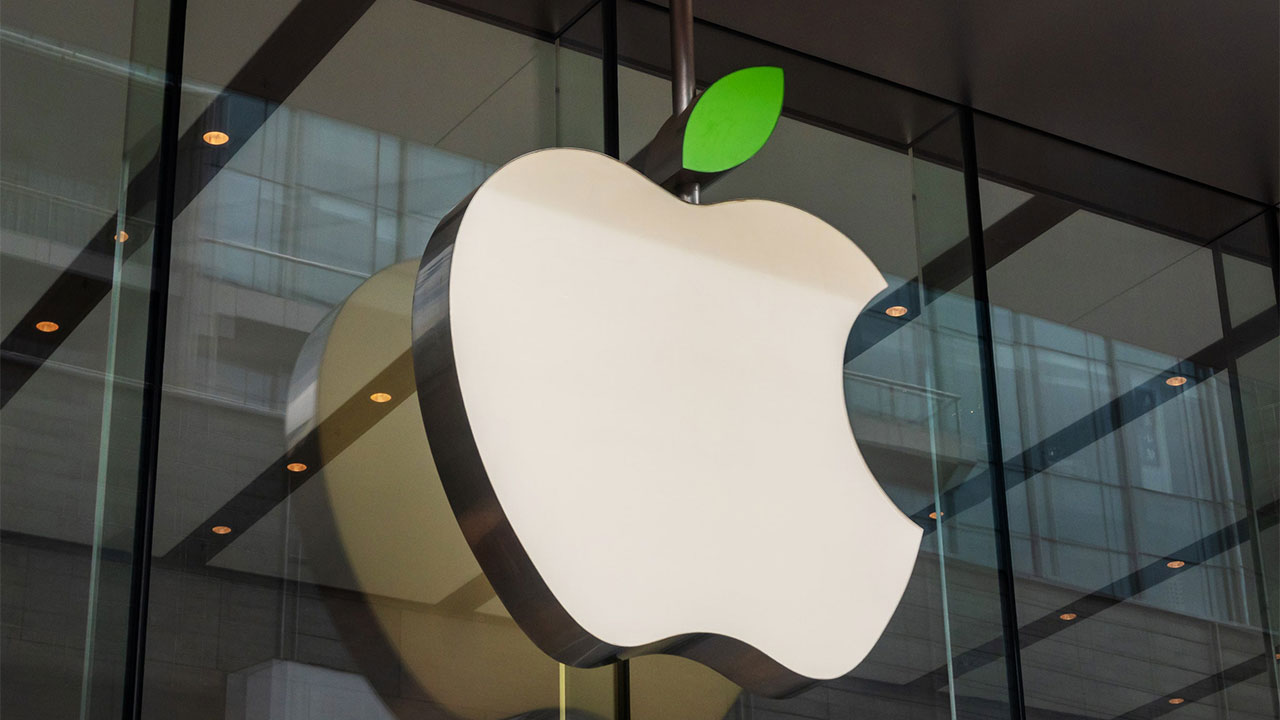
Britain’s Competition and Markets Authority (CMA) has raised concerns about the state of competition in the mobile browser market, dominated by Apple and Google. The CMA’s independent inquiry group published a final report supporting its decision to open an investigation into the sector in January, stating that the market was not functioning well for consumers or businesses.

The majority of the report’s concerns were focused on Apple’s Safari browser, particularly its policies surrounding internet access on Apple devices. In response to provisional findings published in November, the CMA launched an investigation under its expanded powers to assess whether Apple and Google hold “strategic market status” (SMS) in mobile ecosystems, a broader focus than just the browser market.

The CMA suggested that if either company were designated with SMS status, it could lead to regulatory interventions, such as improving the ability of competitors to offer new features. Apple responded, stating that it prioritizes user trust and believes the remedies proposed would harm privacy and security. The company expressed concerns about the report and pledged to continue constructive dialogue with the CMA.

Google defended its position, highlighting that the Android ecosystem’s openness has expanded choice and lowered costs, which it claims democratizes access to smartphones and apps. Google also pledged to work collaboratively with the CMA to create a regulatory environment that fosters innovation.

The report revealed that Apple’s Safari and Google’s Chrome browsers dominate the mobile browser market, with Safari accounting for 88% of browser usage on Apple devices and Chrome holding 77% of the market on Android devices in 2024. Margot Daly, chair of the independent inquiry group, emphasized that the lack of competition in the browser space was stifling innovation and welcomed the CMA’s action to explore SMS investigations into the two tech giants.

The CMA expects to complete its SMS investigations later this year.