Yazılar

COP29 Host Azerbaijan Pushes for Consensus as Climate Deal Negotiations Enter Final Hours

Call for Unity Amid Financial Disputes

  • Azerbaijan, host of the COP29 climate summit in Baku, urged nations to bridge divides and finalize a finance deal as the conference nears its conclusion.
  • Central to the negotiations is a proposed framework for wealthier nations to commit hundreds of billions of dollars annually to aid developing countries in combating the escalating impacts of climate change.

Financial Gap and Global Stakes

  • Economists estimate that developing nations need $1 trillion annually by 2030 to address climate challenges.
  • Wealthy countries remain hesitant, stalling discussions on the scale of funding, the balance between grants and loans, and the inclusion of private-sector contributions in financial targets.

Negotiation Challenges

  • A Thursday draft agreement presented two sharply contrasting financial plans but left key details unresolved:
    • The annual investment figure was symbolically marked as “X.”
    • Clear distinctions between grants, loans, and the role of private finance were absent, exacerbating frustrations.
  • Delegates expressed dissatisfaction, warning that failure to achieve a middle ground could derail the talks.

Role of the United States and Global Dynamics

  • Uncertainty looms over U.S. participation in climate finance, given President-elect Donald Trump’s climate skepticism and his administration’s historical withdrawal from climate initiatives.
  • The return of U.N. Secretary-General Antonio Guterres to Baku emphasized the urgency of a deal, with Guterres warning that “failure is not an option.”

Next Steps

  • A revised draft agreement is expected by midday Friday, with Azerbaijan encouraging delegates to propose bridging solutions.
  • Historically, COP negotiations often extend beyond deadlines, raising the possibility of prolonged discussions to finalize details.

Outlook and Implications

  • The financial commitment from developed nations is pivotal for bolstering global climate action, particularly for vulnerable countries facing disproportionate climate impacts.
  • A failure to agree on a robust deal in Baku could undermine trust and momentum in international climate efforts.

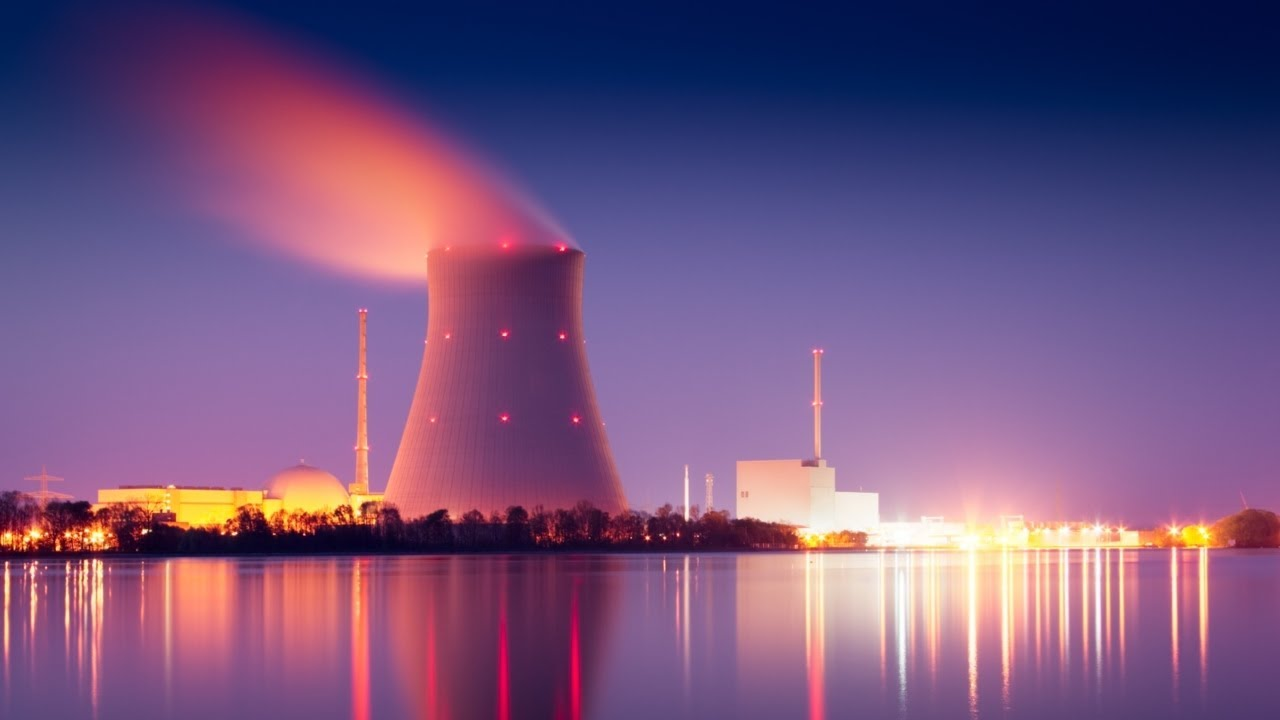
Is Nuclear Power Experiencing a Revival?

Overview

Once overshadowed by safety concerns, cost overruns, and waste disposal issues, nuclear power is now experiencing a resurgence in global interest. With investments from tech giants like Microsoft, Google, and Amazon, coupled with growing urgency to reduce carbon emissions, the nuclear sector appears poised for a potential revival. However, significant hurdles remain, including high costs and public skepticism.


Historical Context and Setbacks

In the mid-20th century, nuclear energy was heralded as a revolutionary technology capable of delivering vast amounts of energy with minimal fuel. However, high-profile accidents like Chernobyl (1986) and Fukushima (2011) eroded public confidence, leading to widespread opposition. Countries such as Germany phased out nuclear energy entirely, and the global nuclear generation capacity declined, losing 48GW between 2011 and 2020.


Resurgence Driven by Modern Challenges

Recent years have seen a renewed focus on nuclear power due to:

  1. Climate Goals: Countries striving to meet Paris Agreement commitments are reevaluating nuclear energy as a reliable, low-emission power source.
  2. Energy Security: Russia’s invasion of Ukraine and global energy crises have highlighted the need for secure, domestically controlled energy sources.
  3. Tech Industry Demands: The rise of AI and data centers, which require constant electricity, has led companies like Microsoft and Google to invest in nuclear power.

For instance, Microsoft has signed a deal to restart Pennsylvania’s Three Mile Island reactor, while Google and Amazon are exploring Small Modular Reactors (SMRs) to meet their energy needs.


Technological Innovations

Small Modular Reactors (SMRs):
SMRs are emerging as a potential game-changer, offering a more affordable and scalable alternative to traditional reactors. These reactors are smaller, quicker to construct, and can be deployed closer to where energy is needed. However, while SMRs are still in the developmental stage, with over 80 designs being explored globally, none have yet proven commercially viable.

International Expansion:

  • China: Increased its nuclear capacity from 13 reactors in 2011 to 55 today, with 23 more under construction.
  • France: Reversed plans to reduce nuclear reliance, now aiming to build up to eight new reactors.
  • South Korea: Abandoned its nuclear phase-out plans in favor of expansion.

Additionally, at COP29, the U.S., UK, and 29 other nations committed to tripling their nuclear capacity by 2050, emphasizing its role in combating climate change.


Economic and Safety Concerns

Despite its promise, nuclear energy faces significant barriers:

  1. Cost Overruns: Projects like Hinkley Point C in the UK and Plant Vogtle in the U.S. have suffered delays and budget overruns, highlighting the financial risks of large-scale nuclear investments.
  2. Radioactive Waste: Safe disposal of nuclear waste remains unresolved. While Finland has developed a geological disposal facility, most countries have yet to implement such solutions.
  3. Public Skepticism: Fear of accidents and environmental risks continues to polarize opinions.

Diverging Views

Supporters’ Perspective:
Proponents argue that nuclear power is indispensable for achieving net-zero emissions. Rod Adams, founder of Nucleation Capital, points to its reliability, low operational costs, and safety record as key advantages.

Critics’ Concerns:
Opponents like Professor M.V. Ramana argue that nuclear energy is prohibitively expensive and not as clean as advertised. They advocate for investment in cheaper renewable sources like wind and solar to achieve greater emission reductions per dollar.


The Road Ahead

While nuclear power is seeing a renewed push globally, its future hinges on overcoming cost challenges, proving the viability of SMRs, and addressing the long-term issue of waste disposal. As the world grapples with climate change and energy security, nuclear power may play a pivotal role—if it can meet these challenges.

G20 Leaders Focus on Climate Change at Rio Summit’s Final Day

Climate Focus Dominates G20 Summit in Rio

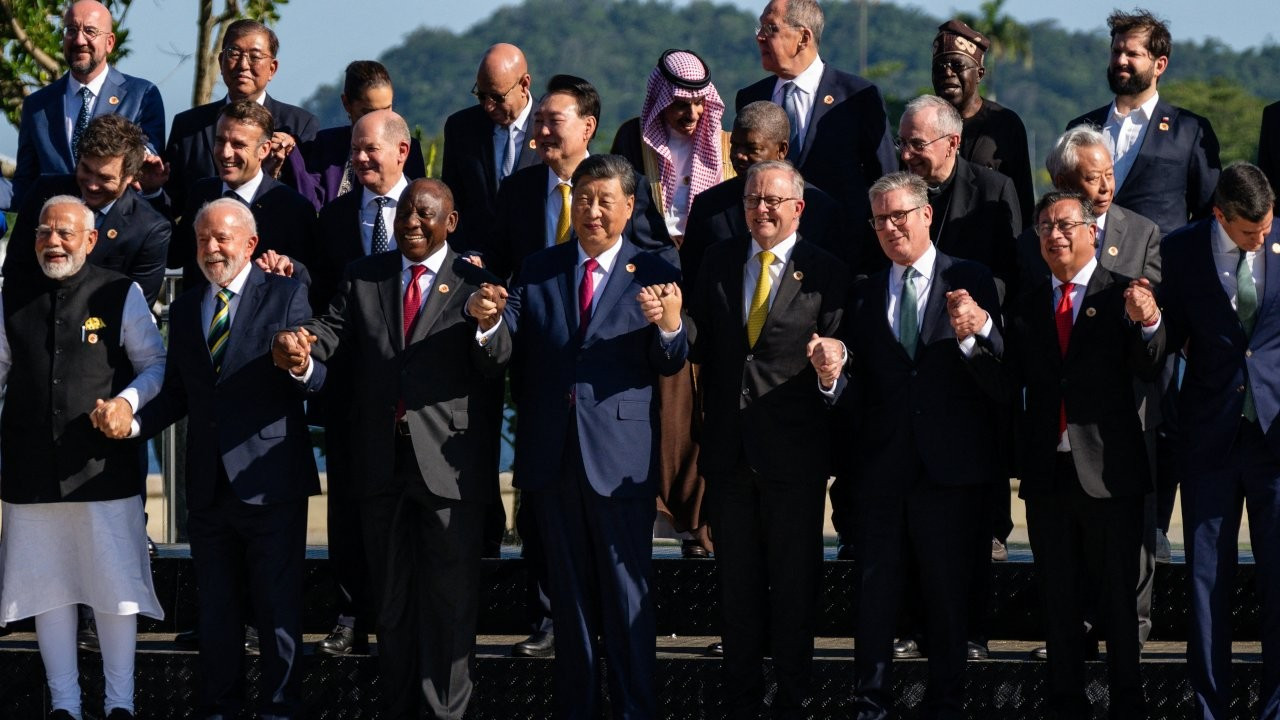
On the final day of the G20 summit in Rio de Janeiro, world leaders turned their attention to the pressing issue of climate change, aiming to push forward a global response as they prepare for critical U.N. climate talks in Azerbaijan. The discussions centered on sustainable development and the transition to cleaner energy sources, with an emphasis on securing a successful deal at COP29.

The host of COP29, which is taking place in Baku, Azerbaijan, made an urgent call for G20 countries to send a strong signal about the need to address climate change. The plea was made as the U.N. talks faced difficulties, threatening to stall progress in the global fight against warming temperatures.

As the world is on track to experience its warmest year on record, leaders at the G20 summit are particularly focused on building momentum before the potential return of Donald Trump to the U.S. presidency in January. Trump has indicated that, if reelected, he would withdraw from the Paris Agreement on climate change and reverse U.S. policies aimed at mitigating global warming.


G20 Leaders Commit to Climate Finance and Address Global Disparities

A joint statement issued by the G20 leaders emphasized the need to “rapidly and substantially increase climate finance from billions to trillions from all sources” to fund climate mitigation and adaptation efforts. The leaders also stressed the importance of reaching a new financial goal to provide support to developing nations, particularly in light of the challenges posed by climate change.

Despite these commitments, the statement refrained from specifying what the financial targets should be at the U.N. summit. Economists suggest that the goal should be at least $1 trillion annually to effectively address the needs of vulnerable nations. While the G20 recognized the need to resolve this issue, the exact solution remains unclear.

Developed countries, including those in Europe, have called for a broader contributor base that includes wealthier developing nations such as China and Middle Eastern countries. In contrast, developing nations like Brazil, the host country of the G20 summit, have resisted expanding the financial responsibility beyond the historically responsible developed nations.


Environmental Impact and Plastic Pollution Agreement

At the opening of the summit, Brazilian President Luiz Inácio Lula da Silva stressed the urgency of addressing climate change, which has become increasingly evident worldwide. With the G20 countries responsible for more than three-quarters of global emissions, their role in shaping a unified response to climate change is seen as crucial.

In addition to climate finance, the G20 also committed to finalizing a legally binding treaty to combat plastic pollution by the end of 2024. This commitment aims to conclude over two years of negotiations and establish global regulations to reduce plastic waste, which is another significant environmental challenge.