Yazılar

Argentina Withdraws Delegates from COP29 as President Milei Prepares for Mar-a-Lago Visit

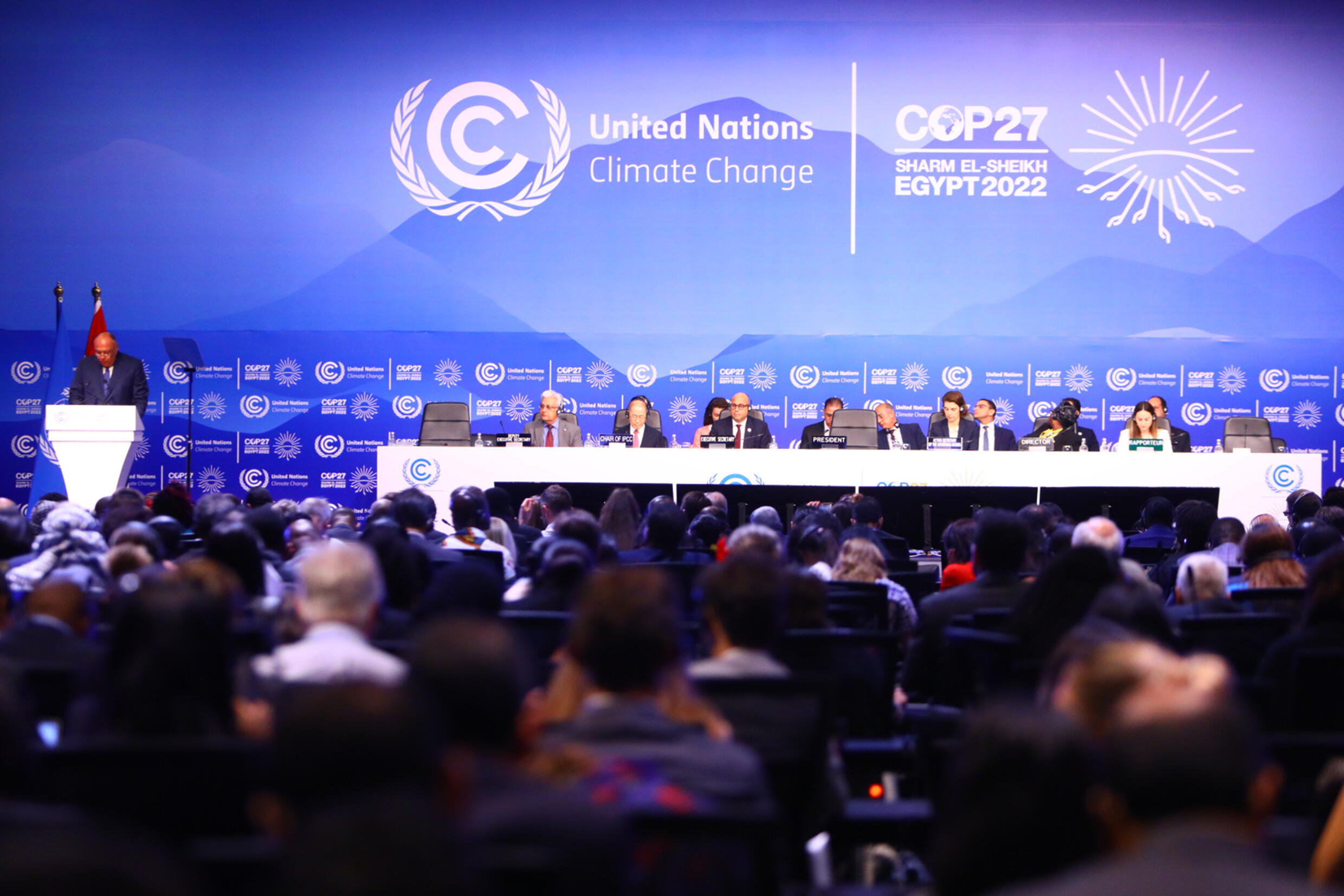
Argentina’s government has withdrawn its delegates from the COP29 United Nations climate summit in Baku, Azerbaijan, signaling a notable shift in its approach to international climate cooperation under President Javier Milei. According to a source from Argentina’s foreign ministry, the delegation, which attended the first two days of the summit, was ordered to return home on Wednesday. Another group of delegates, scheduled to depart for Baku, was also asked not to travel.

Milei, Argentina’s recently elected president, has consistently taken an anti-climate stance, dismissing climate policies as part of a “woke agenda” that imposes an “ideological agenda” on the global stage. During his September address at the United Nations General Assembly, he criticized the UN’s 2030 Sustainable Development Agenda, rejecting it as lacking practical solutions for global issues.

As Milei distances Argentina from traditional environmental commitments, he is expected to travel to the United States to attend a Conservative Political Action Conference (CPAC) event at Mar-a-Lago in Florida. The Argentine president reportedly plans to meet U.S. President-elect Donald Trump and aims to attend Trump’s inauguration in January 2025.

In recent months, Milei has implemented a series of controversial domestic policies, including significant cuts to public spending. His administration announced a budget freeze for public universities, triggering nationwide protests, and reduced funding for various public services, including the Argentina national press agency Télam, multiple government ministries, and even support for soup kitchens in economically disadvantaged areas.

In line with his ideological position, Milei’s government has also halted the purchase of supplies for abortion access and banned gender-inclusive language in official documents, despite abortion being legalized in Argentina in 2021. This move has raised concerns among human rights organizations, who argue that the right to access safe, legal abortion services has become increasingly restricted.

 

Global Fossil Fuel Emissions Set Record in 2024, Thwarting Hopes of Decline

Global emissions from fossil fuels are projected to reach unprecedented levels this year, with an estimated 37.4 billion metric tons of planet-heating pollution—an increase of 0.8% from 2023—dashing expectations that 2024 would mark a decline. The rise, reported by the Global Carbon Project, indicates continued increases in emissions from coal, oil, and gas, despite mounting evidence of the need for rapid climate action.

This troubling news coincides with the COP29 UN climate summit in Baku, Azerbaijan, where leaders face growing anxiety over potential shifts in global climate policy under a possible second Trump administration. The urgency for climate action is reinforced by 2024’s extreme weather, with record-breaking temperatures and a series of natural disasters including hurricanes, floods, and severe droughts.

Pierre Friedlingstein, climate professor at the University of Exeter and lead author of the report, highlighted the continuing growth of fossil fuel emissions as “increasingly dramatic” given the escalating impacts of climate change.

Emissions from Deforestation and Land Use Also Rising In addition to fossil fuels, emissions linked to land-use changes, such as deforestation, are projected to rise due to severe droughts and wildfires this year. Combined, global climate pollution is anticipated to reach 41.6 billion metric tons in 2024, up from 40.6 billion metric tons in 2023. While this increase may seem modest, it places the world further off track in reducing emissions enough to stabilize global warming.

The increase contrasts with some regional progress. Emissions in the U.S. and Europe are expected to decrease, and China’s emissions growth appears to be slowing and may even decline this year. However, these reductions are counterbalanced by rising emissions in other parts of the world, particularly in India.

1.5-Degree Threshold Threatened To limit global warming to 1.5 degrees Celsius, in line with the Paris climate agreement, fossil fuel emissions need to be cut roughly in half by 2030. Scientists warn that exceeding this threshold could trigger irreversible climate tipping points and endanger human and ecological resilience. Although some temporary 12-month warming periods have already surpassed this critical level, scientists are most concerned about the risk of prolonged warming beyond 1.5 degrees, which could be reached within six years at current emission rates.

Carbon Removal Efforts Lagging Despite interest in carbon removal technologies, the report finds that these technologies currently capture only a minuscule fraction of emissions. According to Friedlingstein, only rapid and substantial reductions in fossil fuel emissions will prevent catastrophic climate consequences. He urged world leaders at COP29 to implement immediate, far-reaching measures to curb emissions.


Life-Sized ‘Dead Whale’ Draws Thousands to Caspian Sea to Raise Climate Awareness at COP29

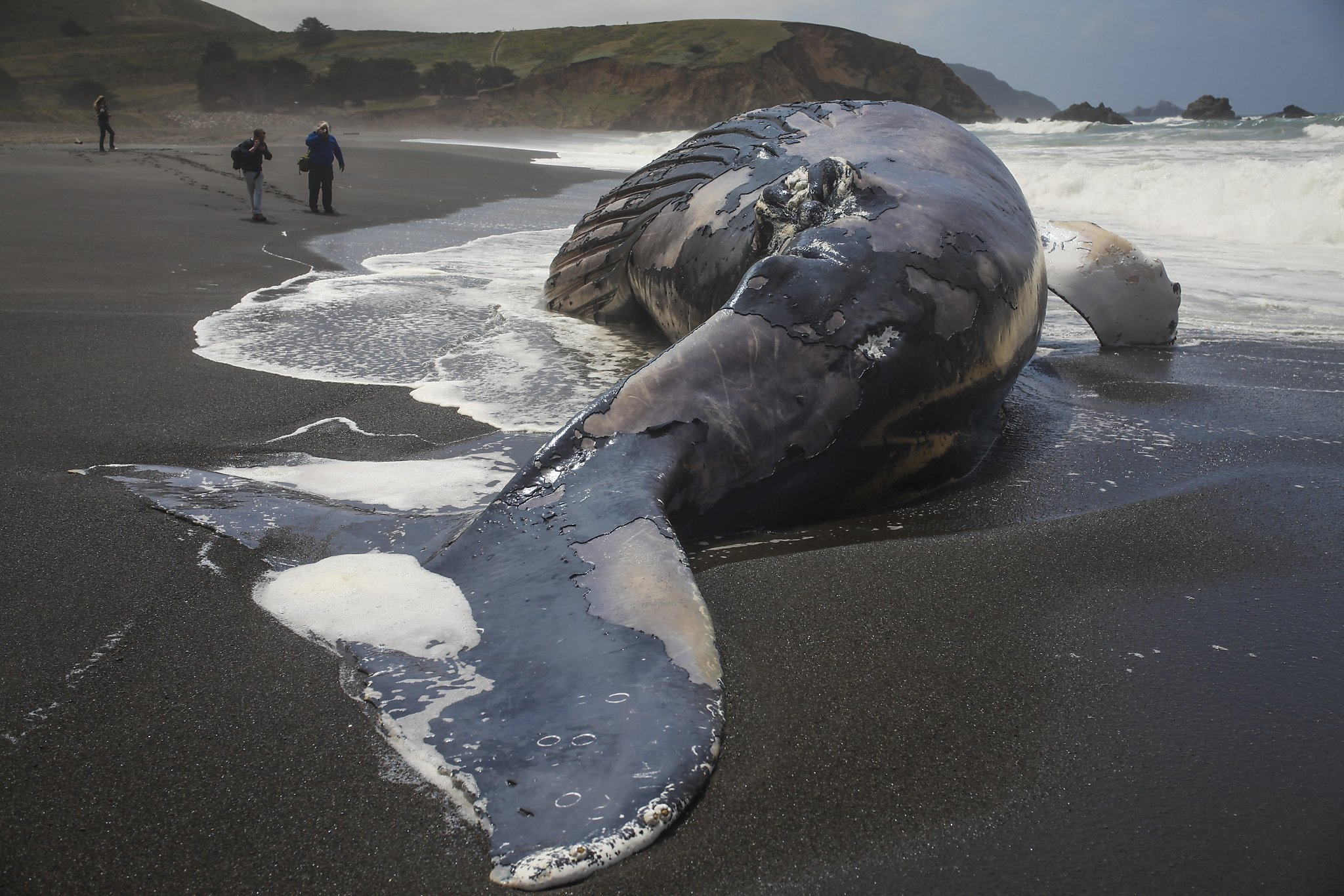
A massive, 52-foot, hyper-realistic model of a sperm whale has appeared on the shores of the Caspian Sea, near Baku, Azerbaijan, emitting a rancid smell that has drawn thousands of curious onlookers. Although sperm whales don’t inhabit the Caspian Sea, this replica has sparked intense reactions and conversations among residents and visitors.

The whale, crafted by Captain Boomer, a Belgian collective of artists and scientists, is part of an awareness campaign to draw attention to ecological issues and climate change. Using molds taken from real whales and the added effect of rotting fish nearby, the installation replicates the appearance and smell of a beached whale, immersing people in a startling reminder of environmental degradation.

Captain Boomer has exhibited the model in cities across Europe and Australia for over a decade. This time, they have brought it to Baku in coordination with COP29, a United Nations climate summit addressing global climate change challenges. The collective’s intent is to confront people with the tangible impact of environmental crises, making them reflect on humanity’s relationship with nature. “People feel that their bond with nature is disturbed,” said Bart Van Peel, a Captain Boomer representative.

After a two-week journey by truck from Belgium through Europe, Turkey, and Georgia, the whale arrived in Baku with the cooperation of Azerbaijani authorities and local environmental activists, including Adnan Hussein of the FINS initiative, which aims to protect marine species.

In addition to the whale, the installation includes a street theater performance, where actors portray scientists examining the whale and speculating on its “death.” These fictional stories, sometimes attributing the whale’s presence to disrupted migration routes due to climate change, create a narrative that merges fact with fiction, provoking viewers to think deeply about the ecological effects of climate disruption.

With oceans warming, marine life, including whales, face challenges like altered food sources and disrupted migration routes. These conditions increase their vulnerability to human activities like fishing and shipping. Through this installation, Captain Boomer seeks to capture these challenges symbolically, emphasizing the urgency of climate action.

Since the exhibit’s debut, thousands have visited, some staying for extended periods, visibly moved by the sight. Van Peel reflects on the collective experience around the whale, describing it as a “gesture of a beast coming from another element and throwing itself at our feet, saying: ‘Look, I can’t anymore.’” He hopes the exhibit serves as a powerful question for those who experience it: “What are you going to do?”