
Yazılar

Conservation Specialist Sounds Alarm on Earth’s Sixth Mass Extinction, Urges Immediate Action

Dr. Jane Goodall, the renowned primatologist and conservationist, has issued a stark warning about the current state of global biodiversity, describing it as the “sixth great extinction.” In a series of interviews during her latest environmental awareness tour in Europe, the 90-year-old conservationist urged for immediate action to address the escalating environmental crisis. Her focus is on key issues such as deforestation, habitat destruction, and the urgent need to move away from fossil fuels, all of which are contributing to the alarming loss of species around the world.

During an interview with the BBC, Dr. Goodall underscored the devastating effects of habitat destruction, particularly in Uganda, which is home to several species of great apes, including chimpanzees. She highlighted that deforestation, driven by both agriculture and logging, is accelerating the loss of biodiversity, making it harder for ecosystems to function. In response to this crisis, Dr. Goodall’s foundation, in collaboration with the tech company Ecosia, has planted nearly two million trees over the last five years. The project, which aims to restore vital habitats for chimpanzees, also serves as a powerful tool in the fight against climate change by absorbing carbon dioxide through growing forests.

Dr. Goodall’s warnings come at a critical time, coinciding with the COP29 summit in Baku, Azerbaijan, where world leaders gathered to discuss strategies to combat climate change. The timing of her message highlights the urgency with which action needs to be taken, as the window for meaningful change continues to shrink. She pointed out the direct connection between deforestation and the changing climate, explaining how the destruction of forests leads to altered rainfall patterns that disrupt local ecosystems and threaten the survival of species. Dr. Goodall recalled her research in Tanzania more than six decades ago, when she observed the regularity of rainfall. Now, those predictable patterns have been replaced by unpredictable weather, contributing to widespread ecological imbalance.

As the planet faces unprecedented levels of biodiversity loss, Dr. Goodall is calling for an immediate global response. Her advocacy emphasizes that the time for action is now, before the damage to our ecosystems becomes irreversible. Restoring habitats, protecting wildlife, and curbing climate change are not only moral imperatives but necessary for the survival of our planet’s delicate ecological balance. The sixth great extinction is already underway, and the decisions made in the coming years will determine the future of life on Earth.
World Strikes Climate Deal on Financial Aid for Developing Nations After Intense COP29 Negotiations

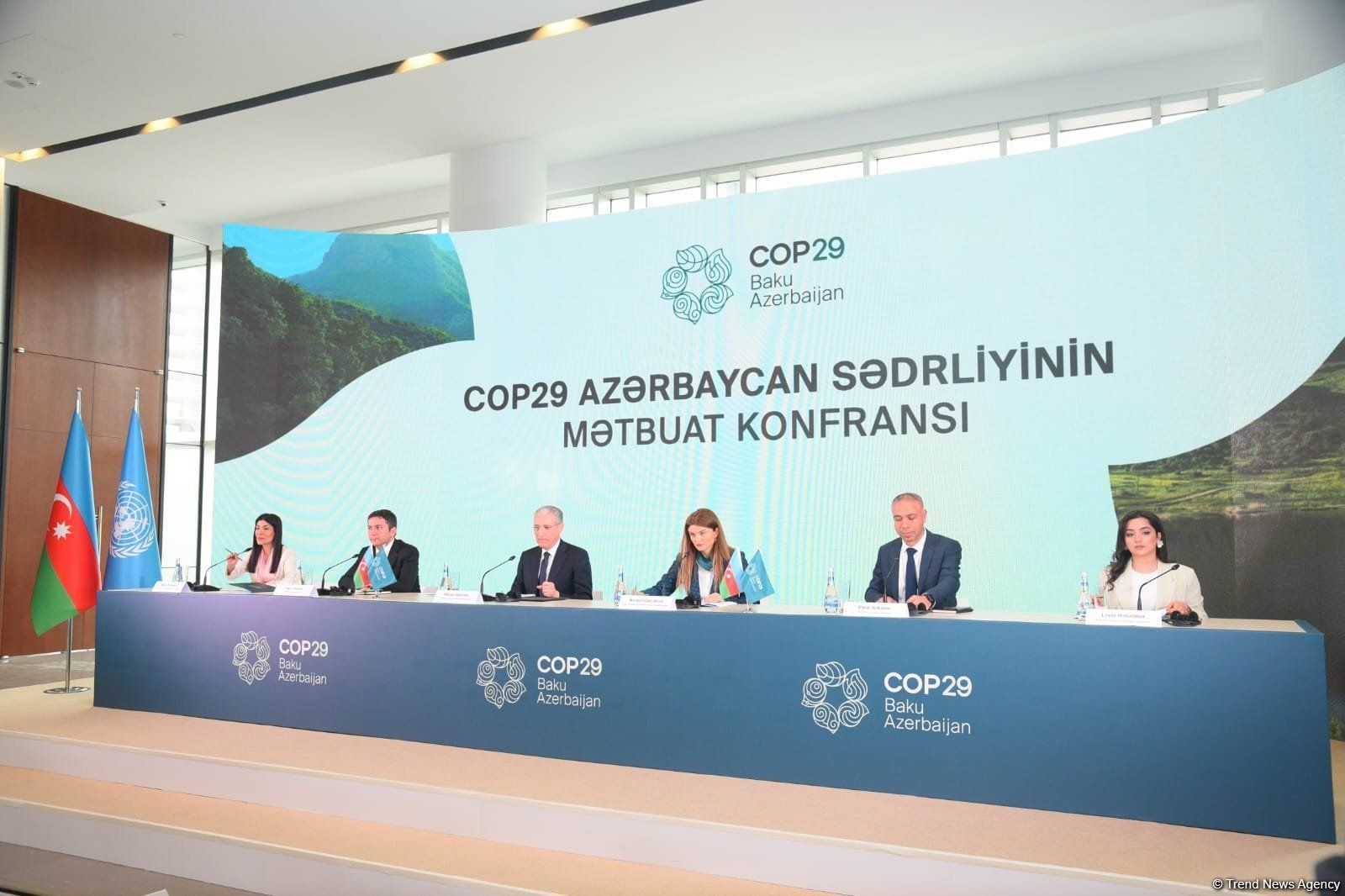
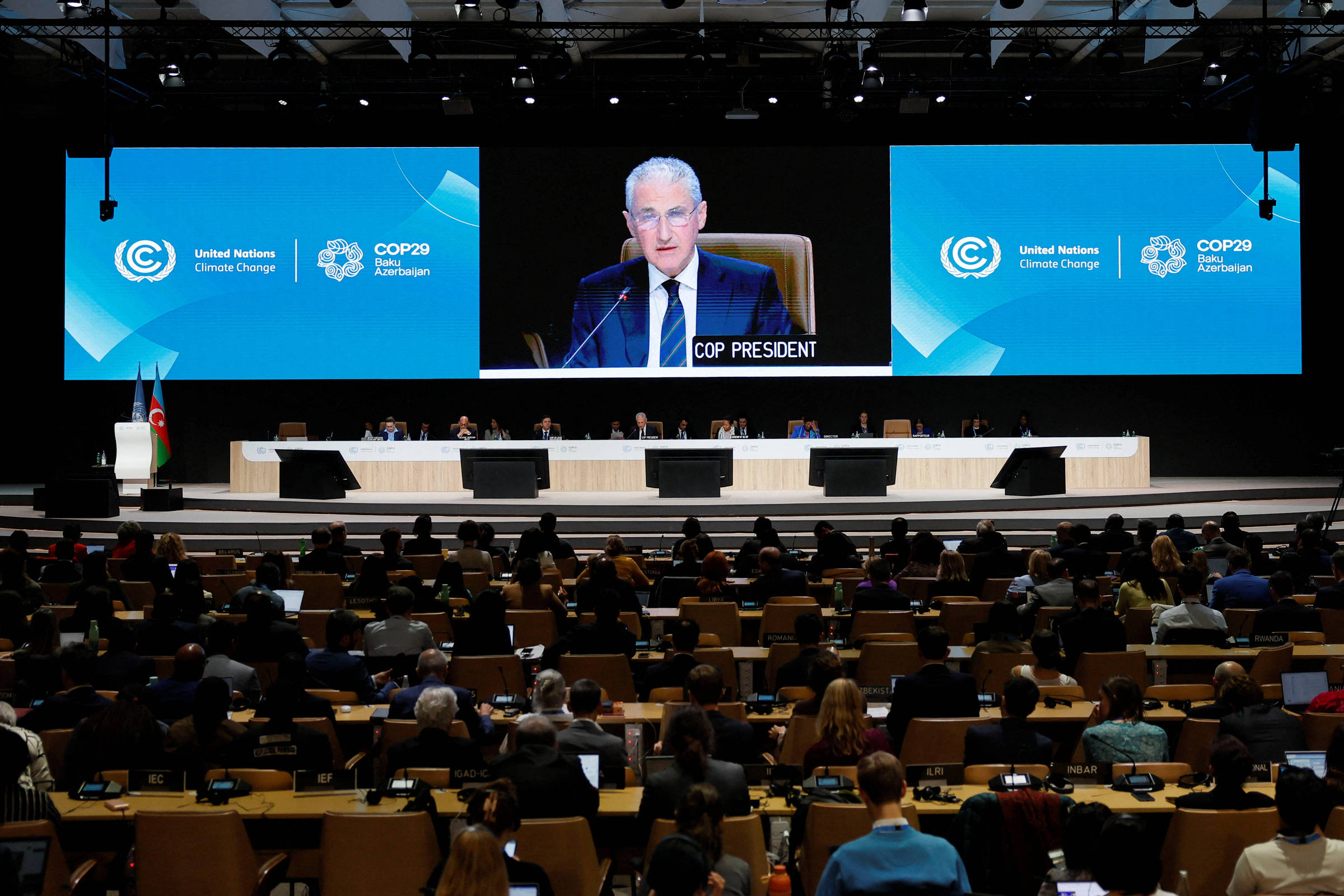
At the COP29 summit in Baku, Azerbaijan, world leaders reached an agreement on climate finance, with wealthy nations pledging to provide $300 billion annually by 2035 to assist poorer countries in addressing the severe impacts of climate change. However, the deal came after over two weeks of contentious negotiations and divisions that nearly caused the summit to collapse.

The $300 billion pledge, while a significant commitment, was met with sharp criticism from developing countries, who argued that it fell drastically short of the $1.3 trillion economists say is necessary to help these nations adapt to climate change. India’s representative, Chandni Raina, condemned the amount as “abysmally poor,” labeling the agreement an “optical illusion” that could not tackle the scale of the climate crisis. Similarly, Tina Stege, climate envoy for the Marshall Islands, called out the deal for failing to provide sufficient funding to the most vulnerable nations, blaming fossil fuel interests for blocking progress.

The agreement stipulates that wealthy countries, including the US and European nations, will contribute to the $300 billion, a mix of public and private financing. This pledge builds on a previous commitment made in 2009 for $100 billion annually, which had only been met in 2022. While developing nations had requested a larger sum—$500 billion annually—the proposal was rejected by richer nations, citing current economic constraints.

Another contentious point was the lack of binding contributions from emerging economies like China and Saudi Arabia. Though the deal encourages voluntary contributions from these nations, it imposes no obligations, drawing criticism for failing to adequately address their role in the climate crisis.

The summit was held in a politically charged atmosphere, dominated by fossil fuel interests. Over 1,700 fossil fuel lobbyists attended, surpassing the number of country delegates. Saudi Arabia, a major oil exporter, exerted significant influence, rejecting any reference to fossil fuels in the final agreement, further fueling dissatisfaction.

Despite these challenges, the deal was finalized at 2:40 a.m. local time on Sunday, nearly 30 hours past the original deadline, with more than 30 countries walking out at various points during the negotiations. Mukhtar Babayev, president of COP29, expressed pride in the outcome, stating that skeptics were wrong to doubt the summit’s success.

While some leaders, including Simon Stiell of the UN Framework Convention on Climate Change, hailed the deal as a crucial step forward, many activists and representatives of developing nations remain dissatisfied, arguing that the deal offers little more than a Band-Aid for the deeper financial needs of climate-vulnerable countries.


Developing Nations Criticize $300 Billion COP29 Climate Finance Deal as Inadequate

The COP29 climate summit in Baku concluded with a $300 billion annual global finance commitment to help developing nations combat the effects of climate change. However, many recipient countries criticized the deal, calling it insufficient to address the escalating climate crisis.

Negotiations, which extended past the scheduled Friday deadline, ended with mixed reactions. Some delegates welcomed the agreement as a critical step forward, while others, particularly from developing nations, voiced their dissatisfaction. Indian delegate Chandni Raina described the document as “an optical illusion” that failed to address the magnitude of the climate challenges.

The deal, set to take effect until 2035, aims to increase the financial support pledged by wealthier nations, building on the unmet $100 billion annual goal originally set for 2020. While this agreement marks progress, many representatives, including Tina Stege of the Marshall Islands, argued that the funding remains far below what vulnerable countries urgently need.

Key Points of the Agreement

  1. Financial Commitments:
    • $300 billion annually in climate finance for developing nations by 2035.
    • A broader target to mobilize $1.3 trillion per year from public and private sources.
  2. Climate Market Rules:
    • The deal introduced mechanisms for a global carbon credit market aimed at generating additional funding through projects like reforestation and clean energy deployment.
  3. Fossil Fuel Transition:
    • No concrete plans were outlined to transition away from fossil fuels or to triple renewable energy capacity, goals previously set at COP28. This omission led to criticism from several delegations, with some blaming obstructionist tactics by nations such as Saudi Arabia.
  4. Funding Responsibility:
    • Contributions are required from about two dozen industrialized countries, including the U.S., European nations, and Canada.
    • The agreement encourages but does not mandate contributions from emerging economies like China and oil-rich Gulf states, a point of contention for European governments.

Broader Context

The summit highlighted deep divides between developed and developing nations. Wealthy countries, grappling with economic and geopolitical pressures, were reluctant to increase financial commitments, while developing nations emphasized the urgent need for greater support to combat climate disasters.

The $300 billion pledge aims to advance the Paris Agreement’s goal of limiting global temperature rise to 1.5°C above pre-industrial levels. However, the 2024 U.N. Emissions Gap report shows that the world is on track for a temperature increase of up to 3.1°C by the end of the century, underscoring the urgency for bolder action.

Reactions

  • United Nations Climate Chief Simon Stiell: Hailed the agreement as “an insurance policy for humanity” but stressed the importance of timely and full financial contributions.
  • U.S. President Joe Biden: Praised the deal as a significant step forward but emphasized the need for continued efforts to meet global climate goals.
  • Donald Trump’s Influence: Skepticism about U.S. commitment resurfaced following Donald Trump’s recent election victory, given his history of climate change denial and withdrawal from international agreements during his presidency.

Climate Impacts in 2023

The urgency of climate finance was underscored by catastrophic climate events this year, including deadly floods in Africa, landslides in Asia, and droughts in South America. Even developed nations faced significant losses, such as Spain’s fatal floods and the U.S. recording 24 billion-dollar weather disasters.

The $300 billion agreement is seen as a stepping stone toward the next COP summit, set to take place in Brazil’s Amazon rainforest, where nations will aim to finalize a roadmap for the next decade of climate action. However, with the world’s warming trajectory far from its targets, the pressure for more ambitious commitments continues to mount.